By Emily Parker
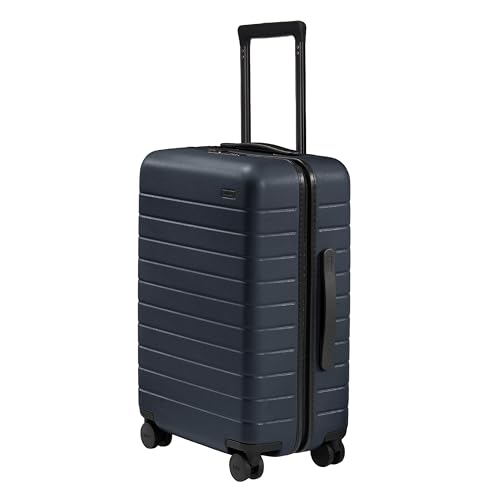
Hardside luggage is usually heavier than softside luggage of the same size, because a rigid shell adds material that a fabric body does not need. A typical hardside carry-on often weighs several pounds more than a comparable softside bag, though the gap narrows or disappears with some lightweight designs. Weight depends on the shell, frame, wheels and interior, so checking the listed empty weight is the only reliable comparison.
Why hardside luggage tends to weigh more
A hardside case relies on its outer shell to protect contents and hold its shape. That shell is typically polycarbonate, ABS or a blend, molded in thick panels that resist impact. Softside bags use nylon or polyester fabric stretched over a light internal frame, so there is simply less rigid material in the body. Manufacturers’ spec sheets for comparable 20-inch carry-ons often list hardside shells in the range of roughly 7 to 9 pounds empty, while softside versions frequently list closer to 5 to 7 pounds. Those figures vary by brand and model, so treat them as general patterns rather than guarantees.
Shopping for one? See our guide: Luggage Hardside vs Softside: Which Should You Choose? (2026).
Factors that change the weight difference
Several components can shift the numbers more than the choice between hard and soft materials:
- Shell material. Polycarbonate is generally lighter than ABS for the same thickness, while aluminum frames add noticeable weight. The differences are explained in more detail in Polycarbonate, ABS, Polypropylene or Aluminum: Hard-Shell Luggage Materials.
- Frame and internal structure. A softside bag with a heavy internal aluminum frame can approach the weight of a light hardside.
- Wheels and handle. Four-wheel spinners and telescoping handles add mass to both types, but spinner wheels sit on the hardside shell and can add to its overall weight. For a rolling comparison, see Spinner vs Two-Wheel Luggage: Which Rolls Better for Your Trips?.
- Expansion and pockets. Expandable softside bags carry zippers and extra fabric panels, and many fully packed softside bags end up heavier than their empty weight suggests.
- Size. A larger hardside case may weigh more than a smaller softside one, so always compare bags of the same dimensions.
How to compare weights before you buy
- Find the empty weight in the manufacturer’s specifications, not in marketing copy.
- Confirm the exterior dimensions, since airline limits apply to total linear inches and maximum weight.
- Compare bags within the same size class, such as 20-inch carry-ons with 20-inch carry-ons.
- Check whether the stated weight includes wheels and handle, since some brands list it differently.
- Weigh the bag yourself with a luggage scale once packed, because real-world totals are what airlines check.
Practical tips for keeping weight down
- If you need a light bag, a softside or lightweight hardside under about 6 pounds empty will leave more room under checked-bag limits.
- Carry-on weight limits are often stricter than checked limits on budget carriers, so an empty bag that weighs less gives you more margin for packing. Airline rules vary, so confirm the current limit with your carrier.
- Remove unused accessories, extra straps and dividers you rarely use.
- Pack heavy items like shoes and toiletries in a personal item to balance the load.
- Choose a hardside bag if protection matters more than shaving ounces, since the rigid shell resists crushing better than fabric.
What we’d use
If you want a hardside bag that stays relatively light, look for a polycarbonate shell with a four-wheel spinner and check the listed empty weight before buying: View on Amazon. For a softside option with a lightweight frame, the View on Amazon version is a common choice among travelers who prioritize low weight. A budget-friendly lightweight hardside is also worth comparing, such as the View on Amazon category of compact shells.
Related questions
Does hardside luggage weigh more than softside when packed?
Often yes, because the shell adds weight to the empty bag, but packed weight depends mostly on what you put inside. A heavy packed softside can outweigh a lightly packed hardside.
Is polycarbonate lighter than ABS?
For the same wall thickness, polycarbonate is usually lighter and more flexible, while ABS is stiffer and less expensive to produce. Manufacturers’ specifications are the best guide for any specific model.
Which is better for airline weight limits?
A lighter empty bag leaves more allowance for packed contents. Softside bags usually have the edge, but a light hardside can compete. Always check your airline’s current limits.
Do hardside bags hold up better than softside?
Hardside shells resist crushing and punctures better, while softside fabric can tear or abrade. Durability depends on the specific construction, so compare materials and warranties.
Should I weigh my luggage before flying?
Yes. A portable luggage scale helps you confirm the packed weight against airline limits and avoid overweight fees at check-in.
Related reading
- Is Hardside Luggage Better Than Softside? Pros, Cons and Who Should Pick Each
- Hardside vs Softside Luggage Reddit: What Travelers Actually Say
- Hardside vs Soft Sided Luggage (2026): Which Is Better for Frequent Flyers?
- Hardside Luggage with Top Lid Opening: 5 Best Picks Compared (2026)
Ready to choose one?
About Emily Parker
Emily Parker is part of our editorial team and reviews and edits our luggage & travel tech guides, checking product details against manufacturer specifications and owner feedback.