By Emily Parker
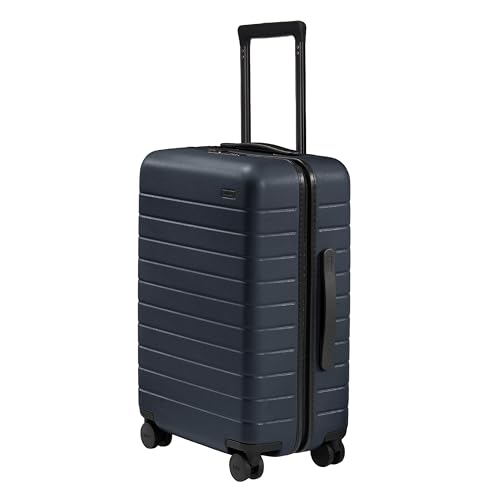
Hardside luggage is better than softside if you check bags often, travel on rough baggage systems, or want better protection for fragile items. Softside luggage is better if you need extra packing flexibility, want exterior pockets, or fly carry-on only and squeeze into tight overhead bins. Neither is better in every case, so the right choice depends on how you travel.
Why hardside and softside behave differently
The difference comes down to the shell. Hardside cases use a rigid outer shell made from polycarbonate, ABS, polypropylene or aluminum, usually with a zippered or clamshell opening. Softside cases use a fabric shell, typically nylon or polyester, sometimes over a light internal frame. That construction drives almost every trade-off you will notice on a trip.
Shopping for one? See our guide: Hardside vs Soft Sided Luggage (2026): Which Is Better for Frequent Flyers?.
Rigid shells deflect impacts instead of absorbing them into the contents. Fabric shells bend, so they tolerate bumps and squeezes but can be torn or abraded. Hardside tends to resist moisture better, since rain beads off the shell and seams are fewer. Softside usually has more surface area for exterior pockets, which helps with quick-access items on a plane.
Factors that decide which one is better for you
Start with how the bag gets handled. If you check luggage on routes with frequent connections, the bag will be stacked, dropped and tossed. A rigid shell protects against crushed corners and cracked wheels better in most owner reports. Frequent carry-on flyers are less exposed to that handling, so the durability gap matters less.
Next, consider packing style. Softside bags can compress by an inch or two when you cinch the straps, and many expandable models add several inches of depth. That matters when you are close to an airline’s linear-inch or dimensional limit. Hardside bags are more fixed in size, and many expand only through a zipper section, which is less generous. If you pack bulky clothing and want room to grow, softside has the edge.
Weight also shifts the answer. Hardside shells, especially polycarbonate and aluminum, can add weight compared with a basic nylon softside. Owners who push a weight limit on a regional carrier often notice this. Lightweight softside cases are a real option for travelers who count every pound.
Finally, consider security and access. Hardside cases with zippers can still be locked with TSA-accepted locks, and the solid shell makes it harder for someone to slit fabric. Softside cases are easier to reach into during a trip, which helps when you need a passport or charger without opening the whole bag.
What to do before you buy
- Measure the airline limits for your most-used carrier, including the wheels and handles, and compare them with the case’s published external dimensions.
- Decide whether you check luggage often. If yes, lean hardside. If you mostly carry on, softside is usually more convenient.
- Check the expansion feature. Note how many inches it adds and whether the shell still fits in an overhead bin when expanded.
- Look at the wheel and handle design. Many hardside cases use four spinner wheels, while softside bags vary more in wheel type.
- Weigh the empty case. Compare shell weight against your typical packed weight, and remember that heavier bags can cost you space for clothes if you hit a weight limit.
Practical tips for mixing the two
- If you are unsure, consider one of each: a hardside for checked trips and a softside for weekend carry-on use.
- For fragile items like camera gear, pack them in the center of a hardside case, surrounded by soft clothing.
- Soft packing cubes work well in both types and help you compress clothing without overstuffing.
- Read the warranty terms. Some brands cover shell cracks and zipper failures differently, so compare coverage before you commit.
What we’d use
Choose a rigid shell if you check bags often and want impact protection. Look for a polycarbonate hardside spinner in a size that fits your carrier’s limits. View on Amazon
Pick an expandable softside if you carry on most of the time and need flexibility. Choose a model with exterior pockets for quick access. View on Amazon
Related questions
Which lasts longer, hardside or softside?
Hardside shells often hold up better to impacts and wear on the outside, while softside fabric can tear or fray. Lifespan also depends on wheels, zippers and how roughly you handle the bag, so compare warranties and construction details.
Is hardside luggage heavier?
Often yes, particularly polycarbonate and aluminum models. Lightweight softside cases are usually lighter when empty, so check the empty weight before you buy.
Does softside luggage hold up in the rain?
Many softside cases have water-resistant coatings, but they are not fully waterproof. Hardside shells generally shed water better, so pack a liner or rain cover if you travel in wet weather.
Can you use a TSA lock on both types?
Yes, both can be locked with TSA-accepted locks, though hardside zippers and latches sometimes need a specific lock style. Check the case’s lock points before buying one.
Which is better for carry-on only travel?
Softside is often more practical for carry-on travel because it flexes to fit overhead bins and offers exterior pockets. A hardside carry-on still works well if you value protection and want a clean look, and it is worth consulting your airline’s size guide before you choose.
Related reading
- Luggage Hardside vs Softside: Which Should You Choose? (2026)
- Hardside vs Softside Luggage Reddit: What Travelers Actually Say
- Hardside Luggage with Top Lid Opening: 5 Best Picks Compared (2026)
Ready to choose one?
About Emily Parker
Emily Parker is part of our editorial team and reviews and edits our luggage & travel tech guides, checking product details against manufacturer specifications and owner feedback.