By Emily Parker
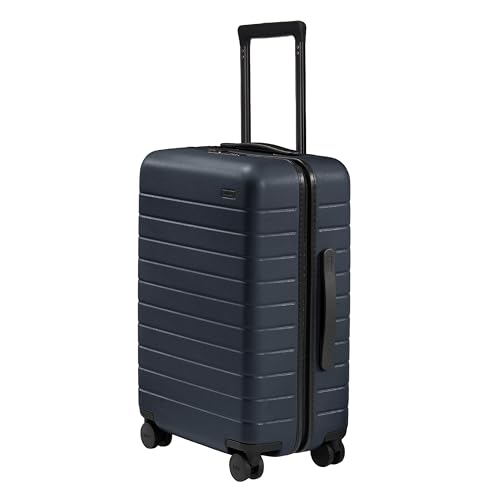
Hardside vs soft sided luggage comes down to how you travel. Hardside cases, usually built from polycarbonate or ABS, protect fragile items and resist impact and moisture better, which makes them a strong choice for frequent flyers and anyone checking bags on rough routes. Soft sided cases, typically made from ballistic nylon or polyester, are more flexible, often lighter, and easier to squeeze into tight overhead bins or under a seat, so they suit budget-minded travelers and people who pack a little extra on the way home.
| Criterion | Hardside Luggage | Soft Sided Luggage |
|---|---|---|
| Impact protection | Strong; shell absorbs and spreads blows | Moderate; fabric gives but can puncture or tear |
| Weight | Generally heavier for the same size | Generally lighter for the same size |
| Expansion | Limited; some models have a zip expansion panel | Common; zip panels add meaningful extra volume |
| Packing flexibility | Fixed shape; less forgiving for bulky items | Compresses and fits irregular spaces |
| Organization | Often one main compartment with a divider | Usually multiple pockets and sleeves |
| Weather resistance | Good; water tends to bead off the shell | Varies with fabric coating; some are water-resistant |
| Security | Zippers are often hidden or lockable | Exposed zippers can be more vulnerable |
| Maintenance | Wipes clean easily | Fabric can stain and needs more care |
Durability and Impact Protection: Hardside Wins
When people compare hardside vs soft sided luggage, durability is usually the first concern. A hard shell made from polycarbonate or ABS flexes under pressure and returns to shape, and it spreads the force of a drop across a wider area. Owners often report that a hardside case survives baggage-handling drops with only scuffs, while soft sided cases more commonly show torn seams, worn corners, or punctured fabric. Polycarbonate is known for flexibility, while ABS is stiffer and more rigid. Aluminum and polypropylene shells also exist, though they are less common in mainstream lines.
Soft sided luggage is not fragile, though. High-denier ballistic nylon resists abrasion well, and good stitching holds up for years of use. The difference is that fabric absorbs impact by giving way, which means a heavy blow can crush contents or stress zippers. If your bags rarely leave a car trunk and aisle, soft sided durability is often more than enough. For international routes with multiple connections, hardside is the safer bet.
Weight: Soft Sided Wins
Weight matters most when you are close to an airline limit. Many soft sided carry-ons weigh noticeably less than hardside models of the same external dimensions, because fabric and a light frame use less material than a molded shell. Manufacturers specify empty weights for each model, so compare those numbers directly before buying. Remember that every ounce you save on the empty case is an ounce you can use for clothes, though a lighter bag that holds less may not help you overall. We also found Hard vs Soft Electronics Cases for Travel useful on this point.
Lightweight luggage has its own tradeoffs. Some very light cases use thinner materials that wear faster. Check whether the spec sheet lists fabric denier or shell thickness, not just total weight.
Expansion and Packing Flexibility: Soft Sided Wins
Expansion is where soft sided cases clearly lead. Many soft sided carry-ons include a zippered expansion panel that adds roughly an inch or more of depth, which can be the difference between fitting a bag in the overhead bin and paying for a gate check. Hardside cases are fixed in shape, so they pack efficiently but cannot grow. Some hardside models do offer expansion zippers, but these are less common and typically add less capacity.
Soft sides also bend around other items in your bag, letting you tuck shoes or a jacket into awkward gaps. A hardside shell cannot flex, so overpacking it can crack the zipper track or strain the frame. Expansion is useful only if you stay within airline limits when fully expanded, so check the rules for your carrier before you rely on it. Our guide to Soft-Side Luggage: Fabrics, Expansion and Pockets explains how these panels work in practice.
Organization and Security: Soft Sided Wins
Soft sided luggage usually comes with more internal organization, including mesh pockets, laptop sleeves, and compression straps. That helps keep toiletries separate from clothes and makes it easier to find things at a hotel. Hardside cases often rely on a single main compartment with a divider or packing cubes, which works well for folded clothes but gives you fewer options for small items.
On security, hardside zippers are often recessed or covered, and many models include built-in TSA-accepted locks. Soft sided zippers are more exposed, so a small padlock or a combination lock is worth using. Keep in mind that TSA-accepted locks are a convenience, not a guarantee. Our explainer on TSA Luggage Locks Explained: What They Do and Do Not Do covers what they do and do not protect against.
Weather Resistance and Maintenance: Hardside Wins
Hardside shells usually shed rain and wipe clean with a damp cloth, which makes them practical for trips where weather or spills are likely. Soft sided fabrics vary. Many carry a water-resistant coating, but seams and zippers can still let moisture through during heavy rain. Fabric also holds stains and odors more readily, so soft sided cases need more frequent cleaning.
Which Should You Choose?
- Choose hardside if you check bags often, travel to regions with rough baggage handling, carry fragile items, or want easy cleaning.
- Choose soft sided if you are constantly near airline size or weight limits, value expansion, want lots of pockets, or prefer a lighter case.
- Choose hardside for a short, carry-on-only trip if you pack neatly and want the case to hold its shape in a crowded overhead bin.
- Choose soft sided for a budget-minded or occasional traveler who wants versatile organization without a large commitment.
- Consider a spinner or two-wheel design regardless of material; wheel style affects how a case feels on pavement. Our comparison of Spinner vs Two-Wheel Luggage: Which Rolls Better for Your Trips? can help.
Top Options to Consider
For a hardside carry-on, many shoppers look at the Samsonite Freeform carry-on, which uses a hard shell with a straightforward interior layout. View on Amazon
For a soft sided option, the Travelpro MaxLite 5 is a popular choice among shoppers who want a lightweight fabric case with solid organization. View on Amazon
If you are still undecided, browse our Best Soft-Side Luggage roundup and 7 Best Hard Sided Carry-On Luggage Compared for Frequent Flyers (2026) for more models.
FAQ
Is hardside luggage better than soft sided for international travel?
Often yes. Hardside shells resist crushing and moisture better, which helps on long itineraries with multiple connections and handling points. Soft sided cases can still work well if you pack carefully and protect fragile items.
Does soft sided luggage fit more in the overhead bin?
It can. Soft sides compress and bend, so they often fit tight bins more easily. Expansion panels add capacity, but only use them if the expanded size still meets your airline’s limits.
Is hardside luggage heavier?
Generally, yes, for comparable external dimensions. Check the empty weight listed by the manufacturer before buying, since models within each category vary.
Which material is more durable: polycarbonate or ABS?
Polycarbonate is typically more flexible and better at absorbing impact, while ABS is stiffer and can be more prone to cracking under sharp stress. Both are widely used, and quality of construction matters more than the material name alone.
How do I keep soft sided luggage from tearing or staining?
Avoid overpacking to limit stress on seams, wipe spills right away, and store the case dry. Choosing a model with reinforced corners and a durable coating also helps. For serious damage or warranty questions, check the manufacturer’s policy directly.
Conclusion
In the hardside vs soft sided luggage debate, neither option is universally better. Hardside cases win on impact protection, weather resistance, and easy cleaning, making them a strong pick for frequent flyers and rough-handling routes. Soft sided cases win on weight, expansion, and organization, which suits travelers who push against airline limits or like flexible packing. Match the case to how you travel, measure against your airline’s size rules, and you will choose well.
About Emily Parker
Emily Parker is part of our editorial team and reviews and edits our luggage & travel tech guides, checking product details against manufacturer specifications and owner feedback.