By Emily Parker
Updated November 2026
Hardside or softside luggage is the first decision most travelers face when buying a new suitcase, and it shapes everything from how well your clothes survive a rough baggage handler to how much you can squeeze into an overhead bin. This guide walks you through the factors that actually matter, gives you a simple way to weigh them against your own travel style, and ends with a checklist so you can choose with confidence instead of guessing.
What Hardside and Softside Luggage Actually Mean
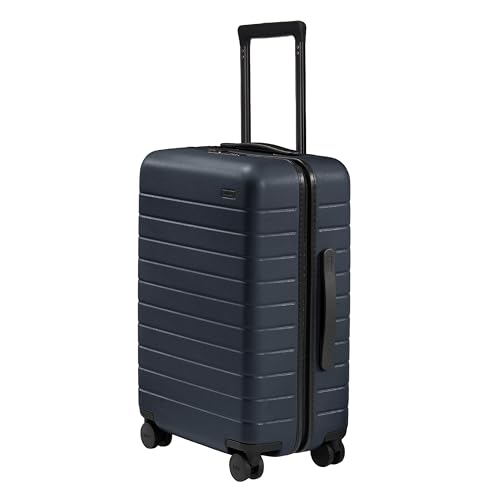
Hardside luggage has a rigid outer shell, usually made from polycarbonate, ABS or a blend of the two. Softside luggage uses a fabric exterior, most often nylon or polyester, sometimes reinforced with a internal frame or stiffening panels. The difference sounds simple, but it affects weight, flexibility, security and how the bag behaves when you are juggling it through an airport.
Some bags blur the line. A “hybrid” design may combine a fabric body with a hard back panel, and some manufacturers market a softside with a semi-rigid base. When you read a product page, look for the words the brand uses to describe the shell material rather than relying on the category label alone.
Step 1: Decide How Much Protection Your Contents Need
Hardside shells resist crushing and punctures better than fabric. If you pack electronics, camera gear or anything fragile, a hard shell gives you a bit more peace of mind when a bag gets stacked under other luggage or tossed onto a conveyor belt. Owners often report that a hardside case keeps its shape after a hard knock, while softsides can bulge or dent.
Softside luggage, on the other hand, absorbs impact by flexing. Fabric is less likely to crack, and a zipper or seam is easier to repair than a fractured shell. If your main concern is avoiding a cracked case rather than crushing, a well-made softside can hold up over years of travel.
For fragile items, consider a packing cube or padded organizer regardless of which shell you choose. The bag is only one layer of protection.
Step 2: Compare Weight Honestly
Weight is one of the most common reasons travelers pick softside. Fabric bags are generally lighter at the same size, and that matters when you are close to an airline’s weight limit or lifting a bag into an overhead bin. Hardside weight varies a lot by material. Polycarbonate tends to be lighter than ABS at comparable thickness, and both are usually heavier than a fabric equivalent.
Always check the empty weight printed in the product specifications, and compare bags of the same size category. A 22-inch softside and a 22-inch hardside can differ by a noticeable margin, which can add up quickly if you carry a second bag or use a fully loaded checked suitcase.
Step 3: Evaluate Packing Flexibility and Capacity
Softside bags have an advantage when space is tight. The fabric can compress slightly, and many models include exterior pockets or a compression panel that lets you squeeze in an extra sweater or a bulky jacket. When a bag is over-packed, a softside may bend to fit a tight overhead compartment, while a hardside stays rigid.
Hardside cases usually expand instead. Many have a zippered expansion panel that adds a few inches of depth. Expansion is helpful, but remember that expanding a bag increases its total dimensions, and airlines measure the bag as packed. Check the stated size both collapsed and expanded before you buy.
Step 4: Consider Security and Access
Hardside cases with a locking system or sturdy zipper pulls are harder to pry open, though neither style is theft-proof. A softside can be cut, and its zippers can be pried apart if a determined person has time. Zippers on softside bags are often more convenient for quick access, because you can open them fully and see everything at once.
If security is a major concern, look for TSA-recognized locks, lockable zippers, or hardside clamshell designs that keep the two halves sealed together. Keep in mind that no bag is fully secure, so avoid leaving valuables unattended.
Step 5: Think About Your Travel Pattern
The right choice depends on how and where you travel. Use this quick comparison to match your habits to the shell style.
| Factor | Hardside tends to win when… | Softside tends to win when… |
|---|---|---|
| Protection from crushing | You check bags often and pack fragile items | You want a case that flexes under impact |
| Weight | Weight is less of a concern | You are near weight limits or carry heavy loads |
| Flexibility | You want a rigid, uniform shape | You need to squeeze into tight spaces |
| Exterior pockets | You prefer a clean look with fewer add-ons | You want quick-access pockets for documents or snacks |
| Repairs | You are comfortable with shell replacement or specialist repair | You prefer that zippers and seams can be fixed easily |
If you are still undecided, the comparison guide Luggage Hardside vs Softside: Which Should You Choose? (2026) goes deeper into these tradeoffs, and Is Hardside Luggage Better Than Softside? Pros, Cons and Who Should Pick Each breaks down who each style suits best.
Step 6: Check the Weight Question Specifically
Many shoppers ask whether a hard shell adds meaningful weight. The answer depends on the specific bag, but the general pattern holds across brands. If you want a closer look at the numbers, Is Hardside Luggage Heavier Than Softside? Weight Compared lays out the comparison in more detail. Use manufacturer specifications rather than assumptions, and weigh an empty bag on a bathroom scale if you want a quick check.
Step 7: Test the Fit Before You Commit
Once you have narrowed the choice, check the dimensions against your airline’s carry-on limits. Measure the bag with its handles and wheels, and remember that wheels and handles often add to the overall height. If the bag expands, measure it in both states. Airlines vary, and budget carriers are often stricter about bag size, so review the rules for your most-flown airline before you finalize a purchase.
Checklist before you buy
- Confirm the empty weight from the product specifications.
- Measure the collapsed and expanded dimensions.
- Check your airline’s carry-on and checked limits.
- Decide how much you value rigid protection versus flexibility.
- Look at zipper quality and lock options if security matters.
- Read reviews from owners who travel the way you do.
Common Mistakes
- Choosing by appearance alone. A glossy hard shell looks durable, but internal construction and wheel quality matter more over time.
- Ignoring the expanded size. An expandable bag that fits a carry-on when packed may exceed limits once expanded.
- Assuming hardside is always heavier. Some modern shells are light, so compare specific models instead of categories.
- Overpacking a rigid case. A hardside bag that cannot compress may bulge the zipper or crack if forced closed.
- Forgetting interior organization. Packing cubes help in either style and make unpacking faster.
Tips for Making the Decision
- If you mostly fly with a carry-on and value a low weight, a softside is often the easier daily companion.
- If you check bags frequently and pack delicate items, a hardside shell can offer more reassurance.
- Consider owning one of each if your travel is varied, such as weekend trips and longer international journeys.
- Read the warranty terms. Coverage for shell cracks and zipper failures varies by brand.
Recommended gear
Beyond the suitcase itself, a few accessories make either style easier to live with. Packing cubes keep clothes compressed and organized, which helps with both shell types.
- Packing cubes: Compression cubes reduce bulk and keep items sorted. View on Amazon
- Luggage scale: A handheld digital scale helps you check total weight before you reach the airport counter. View on Amazon
- Luggage strap: A bag strap helps you identify your suitcase quickly and can add a bit of reinforcement to a softside. View on Amazon
FAQ
Is hardside or softside luggage better for international travel?
Neither style is universally better. Hardside cases resist crushing on long journeys with multiple transfers, while softsides are lighter and easier to fit into tight spaces. Choose based on your baggage handling exposure and weight needs.
Does softside luggage get damaged more easily?
Fabric can tear or snag, but it also flexes instead of cracking. Many travelers find that the damage they actually see is zipper or wheel failure rather than shell breakage, and fabric is usually easier to patch.
Is hardside luggage always heavier?
Not always. Lightweight polycarbonate hardside models can weigh close to some softside bags. Compare the specific empty weight of each model.
Which style holds more?
Capacity depends on the stated dimensions and internal layout rather than the shell type. A softside may squeeze in extra items, but a hardside bag with an expansion zipper can offer comparable or greater volume when expanded.
Are hardside cases more secure?
They are harder to pry open, but no suitcase is theft-proof. Locks and secure zippers matter more than shell material.
Can softside luggage be repaired easily?
Often yes. Zippers, handles and fabric panels can frequently be replaced or patched, while a cracked hard shell is usually harder to fix cleanly.
How do I know which style matches my packing habits?
If you tend to overpack and need flexibility, softside is usually the better fit. If you want a uniform shape and extra protection for delicate items, hardside is often more suitable. Reviewing Hardside vs Softside Luggage (2026): Is Hardside or Softside Luggage Better? can help you weigh the tradeoffs against your own routine.
Conclusion
Choosing between hardside and softside luggage comes down to protection, weight, flexibility and how you actually travel. Hardside cases offer rigid protection and a clean shape, while softsides bend, compress and are often lighter. Work through the steps above, measure your airline’s limits, and select the style that fits your routine. A well-chosen suitcase will serve you for many trips.
Ready to choose one?
About Emily Parker
Emily Parker is part of our editorial team and reviews and edits our luggage & travel tech guides, checking product details against manufacturer specifications and owner feedback.