By Emily Parker
Updated November 2026
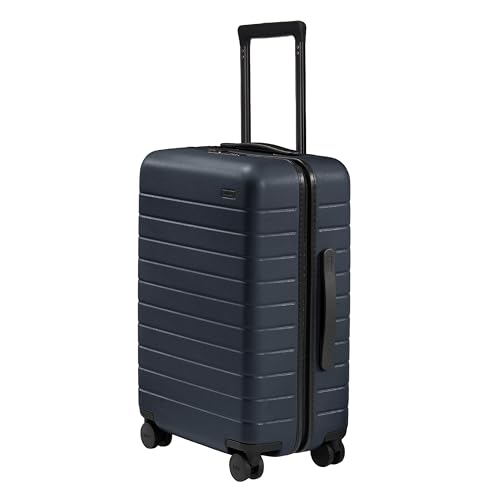
A tumi hardside luggage sale can save you real money, but only if you know which discounts are genuine and which models are worth buying. This guide walks you through how to verify a markdown, match a Tumi hardside bag to your travel needs, and check build quality so you buy once instead of replacing a shell that cracked after two trips. By the end, you will have a clear checklist for judging any sale on Tumi hardside cases.
Why Tumi Hardside Luggage Gets Discounted
Tumi is a premium brand, so its hardside cases do not go on sale as often as mass-market lines. When they do, the reductions usually come from a few predictable sources: seasonal clearance after new colorways launch, end-of-line sales when a shell design is being retired, retailer promotions during major shopping events, and outlet or certified-refurbished channels. Knowing which of these is driving a markdown helps you judge whether the deal is worth taking.
Shopping for one? See our guide: 9 Best Carry On Luggage Hardsides Compared for Frequent Flyers (2026).
Retired shell designs are often the best opportunities, because the bag itself is still current and only the finish or handle style has changed. Newly launched models rarely drop quickly, so a sale on a brand-new release is less common and should be checked more carefully against prior pricing.
Step 1: Confirm the Sale Is Real
Retailers sometimes display a “original” or “compare at” figure that the item was never actually sold at. Before you buy, check the product’s price history with a tracking tool or by searching for the same model over several weeks. A real tumi hardside luggage sale will show a consistent lower figure across sellers, not a one-day spike followed by a return to a higher level.
Sub-steps for verification
- Note the current listed figure and the figure shown as the previous price.
- Search the exact model name and size, not just “Tumi hardside,” to avoid comparing different shell variants.
- Check whether the sale covers all colors or only the least popular one.
- Confirm that the sale is not limited to a bundle you do not need.
Step 2: Match the Size to Your Trips
Tumi hardside cases come in carry-on, medium checked, and large checked sizes, and the right choice depends on how you travel. Most airlines set carry-on limits near 22 x 14 x 9 inches including wheels and handles, though exact limits vary by carrier and fare class, so always confirm with your airline before buying. Many travelers find that a sale on a larger bag is tempting but that the bag will not fit in overhead bins on regional flights.
| Trip type | Suggested size | Main consideration |
|---|---|---|
| Weekend or 2-4 nights, carry-on only | Carry-on spinner | Check bin dimensions on your usual carrier |
| One to two weeks | Medium checked | Watch the checked-bag weight limit, often around 50 pounds |
| Extended trips or family travel | Large checked | Empty weight matters because it counts toward your allowance |
If you are unsure whether a carry-on will meet your needs, read about Soft Side Luggage vs Hardside: Which Should You Choose? to compare how each construction handles packing and overhead fit.
Step 3: Check Construction and Shell Quality
Hardside cases are judged mainly by shell material, hinge and zipper design, and wheel system. Polycarbonate shells flex under pressure and tend to resist cracking, while ABS shells are lighter and rigid but can show stress lines over time. Owners often report that spinner wheels with a mounted four-wheel system roll more smoothly on uneven pavement than two-wheel designs, which is worth checking in the product specifications before you commit to a sale.
What to inspect in the listing
- Shell material (polycarbonate or ABS) and whether the shell is described as expandable.
- Wheel type, including the number of wheels and whether they are replaceable.
- Handle design and the number of telescoping extension positions.
- Internal organization, such as compression straps, garment compartments, and laundry bags.
- Warranty terms, which Tumi and authorized retailers typically describe in the product page.
For comparisons of specific hardside lines, see Samsonite Freeform Hardside Luggage Review: Is It Worth It? and Travelpro Platinum Elite Hardside Expandable Carry on Luggage: A Practical Guide (2026), which walk through how construction choices affect everyday use.
Step 4: Compare the Sale Against Other Hardside Options
A sale on one brand is only a good deal if it beats alternatives at a similar level of build quality. Many shoppers compare Tumi against other established hardside brands during a sale period. For example, Hardside Luggage Sets on Sale: How to Find Real Deals (Step-by-Step) offers a method for comparing discounts across brands, and Samsonite Hardside Luggage Set: How to Choose the Right One (2026) covers how to weigh set contents against single-bag purchases.
When comparing, focus on what you will actually use: wheel quality, shell warranty, interior layout, and whether the bag meets your airline’s size rules. A lower-priced alternative with a weaker warranty may cost more over time if you need repairs.
Step 5: Plan Your Purchase Timing
Sales on Tumi hardside cases tend to cluster around holiday shopping windows, end-of-season clearances, and when a shell design is nearing discontinuation. If you do not need a bag urgently, set an alert for your target size and color and check back when a new season begins. If you need a case before a trip, buy during the first days of a sale, since limited colors and sizes often sell out first.
Common Mistakes When Buying During a Tumi Hardside Sale
- Buying the wrong size for your airline. Carry-on dimensions differ by carrier, so measure the bag with wheels and handles before you pay.
- Ignoring the warranty. A markdown means little if the shell is not covered for the types of damage you are likely to see.
- Assuming a bundle is a bargain. Set deals often include pieces you will never use. Compare the cost of only the bag you need.
- Skipping the empty-weight check. Heavier shells reduce what you can pack in a checked bag before you hit the weight limit.
- Buying a color you dislike because it is discounted. Limited-color clearance deals are only worth it if you would have chosen that finish anyway.
Tips for Getting the Most Value
- Sign up for brand and retailer email alerts to hear about sales before they peak.
- Compare the product page specifications for your target model across two or three authorized sellers.
- Check return policies in case the bag does not fit your overhead bin or your needs.
- Register the warranty promptly after purchase so claims are easier to process.
- Keep the original packaging and receipt for at least the length of the warranty period.
Recommended gear
A few accessories make a hardside case easier to use, especially after you buy during a sale and want to protect your investment.
- Luggage scale to weigh the bag before checking it and avoid overweight fees. A compact digital model fits in a pocket. View on Amazon
- Packing cubes that compress clothing and keep the shell’s interior organized, which reduces wear on zippers and hinges. View on Amazon
- Luggage tag with a cover so the shell stays clean and your contact details stay private. View on Amazon
FAQ
Are Tumi hardside cases ever discounted?
Yes. Markdowns usually appear during seasonal clearances, end-of-line sales, major shopping events, and through outlet or refurbished channels. Discounts on current flagship models are less frequent.
How do I know if a tumi hardside luggage sale is genuine?
Compare the listed previous price with the price history of the same model across several weeks and several authorized sellers. A real sale shows a consistent lower figure rather than a brief spike.
Which size should I buy for carry-on only travel?
Choose a carry-on spinner, then measure it with wheels and handles and compare against your airline’s stated dimensions, since limits vary by carrier.
Is polycarbonate or ABS better for a hardside case?
Polycarbonate flexes under pressure and tends to resist cracking, while ABS is rigid and lighter but can show stress lines. Each suits different travel styles.
Does a sale affect the warranty?
Warranty coverage is generally tied to the product and purchase, not the discount, but terms can differ between authorized retailers and clearance or outlet sales, so read the policy before buying.
Should I buy a bundled set during a sale?
Only if you will use every piece. Compare the cost of the single bag you need against the full set, and check whether any included items duplicate what you already own.
When is the best time to buy a Tumi hardside case?
Major holiday shopping periods and end-of-season clearances are common windows. If your timing is flexible, set alerts for your size and color and wait for a verified markdown.
Can I return a hardside case if it does not fit my airline?
Return eligibility depends on the seller’s policy and whether the bag is unused. Check the return window and conditions before purchase, and measure the bag with wheels and handles first.
Conclusion
A tumi hardside luggage sale is worth taking when the markdown is verified, the size fits your travel pattern, and the shell and warranty meet your needs. Work through the steps above: confirm the discount, match the size to your airline and trip length, inspect construction, and compare alternatives. Careful timing and a clear checklist will help you buy once and travel with confidence.
Ready to choose one?
About Emily Parker
Emily Parker is part of our editorial team and reviews and edits our luggage & travel tech guides, checking product details against manufacturer specifications and owner feedback.