By Emily Parker
Updated November 2026
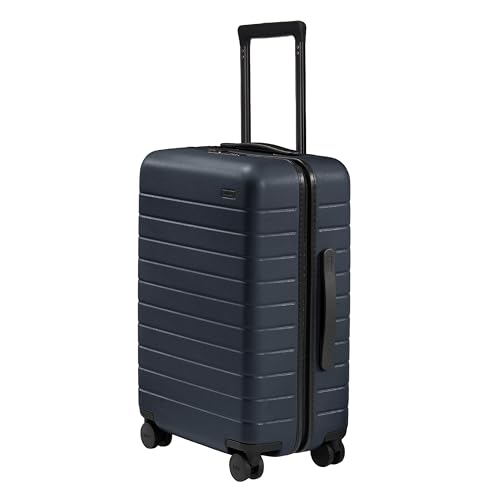
The travelpro platinum elite hardside expandable carry on luggage is a spinner suitcase built around a polycarbonate shell, a telescoping handle and an expansion zipper that adds usable packing space. In this guide you will learn how to check whether the expanded and unexpanded dimensions fit your airline’s carry-on limits, how to pack it so it stays within those limits, and which features matter most for frequent travelers. You will also get a short checklist to run before you commit to any hardside carry-on.
What the Travelpro Platinum Elite Hardside Expandable Carry On Luggage Is Designed For
This model belongs to Travelpro’s Platinum Elite line, a series aimed at business and frequent travelers who want a structured shell rather than a soft fabric bag. Hardside luggage keeps its shape when a bag is stacked, which helps protect fragile items and keeps the interior flat for packing cubes. The expandable design gives you a second layer of capacity for trips that run longer than a weekend, but it also changes the bag’s footprint, so you need to think about both sizes.
Before you go further, read the manufacturer’s listed dimensions for both the closed and expanded configurations. Those are the numbers airlines and gate agents will measure, and marketing photos rarely show them clearly. For a broader look at the product’s performance, see our Travelpro Platinum Elite Carry-On Luggage Review: Features and Performance.
Step 1: Confirm the Airline’s Carry-On Size Limit
Carry-on rules vary by airline, and many budget carriers enforce tighter limits than full-service ones. Most major US carriers use a total linear dimension or a box-style maximum, and some have changed their rules in recent years. Check your airline’s current published limit, then compare it to the bag’s closed and expanded measurements.
- Find the airline’s stated maximum for carry-on bags, including wheels and handles.
- Note whether the airline measures the bag closed or allows expansion at the gate.
- Compare the manufacturer’s closed dimensions to that limit with a few inches to spare.
- Check the expanded dimensions and decide whether you will expand the bag on board.
Frequent flyers should be especially careful with expansion. Some gate agents will ask you to close an expandable bag before boarding, and an expanded case may not fit a sizer. If you fly regional jets or carriers with strict overhead bins, plan on using the bag in its smaller setting.
Step 2: Measure the Bag Yourself Before Every Trip
Manufacturer specs assume the bag is empty and fully inflated to its rated shape. Real-world dimensions can differ once you pack, especially if the shell bows slightly under weight. Measure the bag with everything inside, including the handle in its retracted position and the wheels, since airlines count those in most cases.
Tools you will need
- A flexible tape measure, preferably one with metal ends for accuracy
- A level surface to place the bag on
- A printed copy of your airline’s size rule for reference at the airport
- A luggage scale, if you also want to keep an eye on weight limits
Step 3: Understand How the Expansion System Works
Expandable hardside cases typically add depth by unzipping a seam or flexible panel, which lets the shell grow outward. The gain is usually a few inches, not a full extra compartment, so the added space is best for bulky clothing or shoes rather than heavy items. Expanding the bag also changes how it sits in the overhead bin, since the case becomes less rigid at the seam.
Practical steps for using the expansion safely:
- Pack the base compartment first so the bag stands on its own before you expand it.
- Unzip the expansion seam slowly and check that no garments are caught in the zipper.
- Press the panel gently to adjust its position, avoiding forceful pressure on the shell.
- Close the expansion fully before you move the bag across the terminal, since an open seam can spill contents.
Step 4: Pack for Weight and Balance
Hardside cases hold their shape well, but overpacking can strain the zipper, the handle mounts and the wheel housings. Place heavy items low and near the center of the bag, and use packing cubes to keep the load level. A shell that stays balanced is easier to roll through airports and less likely to tip in an overhead bin.
| Packing item | Where to place it | Why it matters |
|---|---|---|
| Shoes | Bottom, against the back panel | Keeps weight low and stable |
| Laptop or tech | Center, in a padded sleeve | Protects electronics from shell pressure |
| Bulky clothing | Expansion side, if using | Uses the added depth without overloading the base |
| Liquids and toiletries | Top or in a sealed pouch | Limits leaks onto other items |
Step 5: Check the Features That Affect Daily Use
Beyond size, a few features determine how comfortable the bag is over several trips. Owners often report that the handle, wheel system and interior organization matter more than the exterior finish. Check how smoothly the telescoping handle locks at each height, how the wheels turn on uneven surfaces, and whether the interior has compression straps or dividers that suit your packing habits.
If you are comparing this bag with similar hardside options, our Samsonite Freeform Hardside Carry-on Luggage with Spinner Wheels (2026): Pros, Cons & Verdict and Samsonite Omni 2 Hardside Expandable Luggage Review: Is It Worth It? cover how other expandable designs handle the same trade-offs. For a wider set of options, the 9 Best Carry On Luggage Hardsides Compared for Frequent Flyers (2026) roundup is a useful reference.
Hardside vs. soft-side trade-offs
Hardside shells resist crushing and resist moisture, but they show scuffs and have less give when you need to squeeze a bag into a tight space. Soft-sided bags flex more easily under a seat or into a bin corner. If you regularly fly routes where underseat storage is your only option, our guide to Soft Side Luggage vs Hardside: Which Should You Choose? explains the trade-offs in more detail.
Common Mistakes to Avoid
- Trusting the marketing dimensions without measuring the bag with wheels, handle and contents.
- Assuming an expanded bag will be accepted at the gate when your airline enforces a closed-size limit.
- Overpacking the expansion side, which can strain the seam and make the bag harder to lift.
- Ignoring the handle and wheel tolerances on a crowded train or jet bridge.
- Forgetting to check your airline’s rules again before a trip, since policies change.
Tips for Frequent Flyers
- Keep a copy of your airline’s size rule in your bag or on your phone.
- Pack a lightweight tote or backpack for items you may need to remove if the bag is refused.
- Store the bag closed when boarding regional flights, even if you expanded it on the outbound leg.
- Wipe the shell regularly and lubricate the zipper teeth gently if they stick.
Recommended gear
Several accessories help this type of hardside carry-on work well on the road. Choose items that fit inside the bag without pushing the shell beyond its limits.
- Packing cubes keep clothing compact and make it easier to rebalance the load after expansion. View on Amazon
- A compact luggage scale lets you check weight before you reach the airport counter. View on Amazon
- A flexible tape measure is the simplest way to verify real-world dimensions with wheels and handle included. View on Amazon
FAQ
Is the Travelpro Platinum Elite hardside expandable carry on luggage accepted by most airlines?
Many airlines accept it as a carry-on when closed, but acceptance depends on each carrier’s current size rule. Measure the bag with wheels and handle included, then compare it to your airline’s published limit before you fly.
Can I expand the bag on the plane?
Some passengers expand the bag in the cabin, but airlines and gate agents can ask you to close it before boarding. Plan on keeping it closed if you are flying a route with strict size enforcement.
How much extra space does the expansion add?
The added depth is typically modest and varies by model, so check the manufacturer’s expanded dimensions. Treat the extra space as a buffer for bulky items rather than an entire second compartment.
Will an expanded hardside bag fit in an overhead bin?
It may, but an expanded case is less rigid and can be harder to slide into tight bins. Measure the bin height and depth on your specific aircraft if possible, and close the bag if space is limited.
Does the hardside shell protect fragile items?
The rigid shell helps protect contents from crushing and moisture, but it does not replace padding. Use packing cubes and cushioned sleeves for electronics and breakables.
How do I clean a hardside expandable case?
Wipe the shell with a damp cloth and mild soap, then dry it fully. Avoid harsh solvents on the finish, and check the manufacturer’s care instructions for the zipper and wheels.
Should I measure the bag before every flight?
Yes, especially if you have changed packing habits or switched airlines. Small differences in how you pack can affect whether the bag passes the sizer.
Conclusion
The travelpro platinum elite hardside expandable carry on luggage can work well for travelers who want a structured shell with extra capacity, as long as you match its closed and expanded dimensions to your airline’s limits. Measure the bag with everything attached, pack for balance, and expand it only when your carrier allows. Run through the steps above before each trip, and the bag should serve you reliably across many journeys.
Related reading
Ready to choose one?
About Emily Parker
Emily Parker is part of our editorial team and reviews and edits our luggage & travel tech guides, checking product details against manufacturer specifications and owner feedback.