By Emily Parker
Updated November 2026
If you are considering kensie signora hardside spinner luggage, this guide walks you through what the line is built around, how to confirm the right size for your trips, and which details to check before you commit. By the end, you will know how to judge a hardside spinner in general, what to look for in the Signora-style construction, and how to avoid the mistakes that send people back to the store with the wrong bag.
What Kensie Signora Hardside Spinner Luggage Is Built For
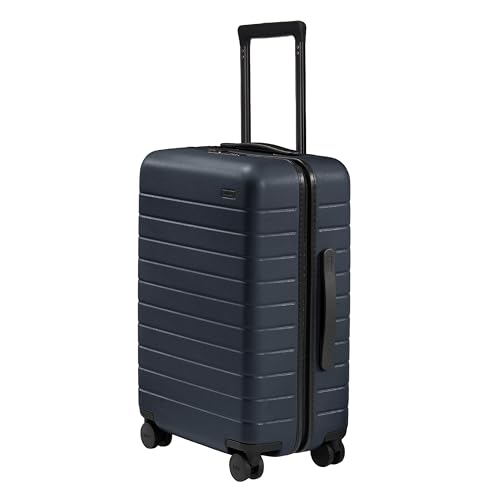
Hardside spinner luggage refers to a suitcase with a rigid outer shell, typically polycarbonate, polypropylene or a blend, and four wheels that rotate 360 degrees. Kensie is a brand that sells a range of hardside spinners in several sizes, and the Signora name is used for models in that family. Because product specifications can change between production runs and retailers may list slightly different dimensions, you should always confirm the exact measurements on the listing or the manufacturer’s sheet rather than relying on general descriptions.
Shopping for one? See our guide: American Tourister Burst Max V Hardside Spinner Luggage: Is It Worth Buying?.
Hardside spinners generally suit travelers who want protection for fragile items, a shell that resists light scuffs, and easy maneuvering through airports. They are less forgiving if you need to squeeze in an extra jacket at the last minute, which is where soft-sided bags have an advantage.
Step 1: Confirm the Size Class You Actually Need
Most people shop for a carry-on or a checked bag without checking the real limits. Airline rules vary, and the same nominal size can behave differently depending on the wheel housing and handle, because those count toward the total dimensions.
Check the external dimensions, including wheels and handle
Measure the bag height, width and depth with the handle retracted. Many carriers in the United States use a total linear dimension limit for carry-ons, and a commonly cited guideline is 22 x 14 x 9 inches, but individual airlines publish their own limits, and some are stricter or looser. Check your airline’s website before you travel, and remember that a bag that fits in the sizer at the gate is not guaranteed to be accepted on every flight.
Account for expansion features
If the model has an expandable zipper, measure both the closed and expanded dimensions. Many airlines will ask you to use the closed size, and an expanded bag can be refused at the gate even if it fit at check-in. Use the closed measurement as your baseline unless you are sure your carrier allows the expanded size.
Step 2: Evaluate the Shell Material
The shell determines how the bag handles impacts, temperature changes and surface wear. Manufacturers often specify polycarbonate or a polypropylene blend for hardside models. Polycarbonate tends to be flexible and resists cracking under pressure, while polypropylene is lighter and can feel more rigid. Neither is universally better; the right choice depends on how you travel.
- Flex: A slightly flexible shell can absorb a bump without cracking, which matters on conveyor belts and in overhead bins.
- Finish: Matte finishes hide scratches better than glossy ones, though neither prevents scuffing entirely.
- Seams and corners: Look at how the two halves join and whether corners are reinforced. These are common stress points.
Step 3: Inspect the Spinner Wheels and Telescoping Handle
Spinner wheels are what you will feel every day, so pay close attention here. Four wheels that swivel allow you to move the bag sideways, which is useful in tight aisles. Owners of spinner luggage often report that wheel quality varies more than any other component, so check the wheel housings for secure attachment and ask whether the wheels are replaceable.
The telescoping handle should lock firmly at each height. Extend it fully and push gently sideways to test for wobble. A loose handle usually signals weak internal anchoring, which can fail under the weight of a full bag.
Quick wheel and handle checklist
- Roll the bag on a flat surface in a straight line and then in a tight circle.
- Confirm all four wheels spin freely and turn without catching.
- Extend and lock the handle at its highest and lowest settings.
- Check that the handle does not rattle when you lift the bag.
Step 4: Check the Interior Layout and Packing Features
Hardside interiors are usually simpler than soft-sided ones, with fewer pockets and more reliance on compression straps or divider panels. Look for an interior that suits how you pack.
| Feature | What to look for | Why it matters |
|---|---|---|
| Compression straps | Adjustable straps on the lid or base | Keeps clothes from shifting during transit |
| Divider panel | Removable or zippered | Separates clean and dirty items or shoes |
| Zippered pockets | Lid or inner wall | Stores chargers, documents and small toiletries |
| Lining | Smooth, washable fabric | Easier to clean after a spill |
Step 5: Plan for Weight Before You Pack
Empty weight matters because it reduces what you can carry. Check the manufacturer’s stated empty weight, then add your planned contents. Airlines enforce weight limits on checked bags, and overweight fees are common. If you usually travel with a heavy load, a lighter shell and frame will give you more room before you hit the limit.
For a useful comparison, see Is Hardside Luggage Heavier Than Softside? Weight Compared, which explains how shell choices affect total weight.
Step 6: Compare Against Other Hardside Spinners
Before buying, compare the Signora-style bag with similar options so you know what you are giving up or gaining. Reading reviews of competing models helps you spot patterns in wheel durability and shell performance. Useful starting points include Samsonite Ziplite 6 Hardside Spinner Luggage Review: Pros and Cons and Verdi 21 Hardside Spinner Carry On Luggage: 7 Best Picks Compared (2026), both of which cover size and build trade-offs that apply across the category.
If you are still deciding between a spinner and a two-wheel design, Spinner vs Two-Wheel Luggage: Which Rolls Better for Your Trips? lays out the rolling differences clearly.
Common Mistakes to Avoid
- Buying by nominal size alone. Always measure with the wheels and handle included.
- Ignoring expansion limits. Expanded bags are often refused at the gate.
- Skipping the wheel test. Wheels are the most common point of failure in spinner luggage.
- Overpacking to the weight limit. Leave a margin, since scales at check-in can differ from home scales.
- Assuming hardside always means lighter. Some hardside models weigh more than comparable soft-sided bags.
Tips for Getting the Most From Your Hardside Spinner
- Keep the bag stored lying flat or upright, not on its corners, to reduce stress on the shell.
- Clean the shell with a damp cloth and mild soap; avoid harsh solvents that can dull the finish.
- Lubricate nothing on the wheels unless the manufacturer advises it, since many sealed wheels are not designed for oil.
- Use a luggage strap or a bright tag to make your bag easy to identify on the carousel.
- Inspect the zippers and handle after each trip, and tighten or replace any loose hardware early.
Recommended gear
These accessories help you get more from a hardside spinner, especially when you travel often or check bags regularly.
- Luggage scale: A portable digital scale lets you confirm weight before you reach the airline counter, which helps avoid overweight fees. View on Amazon
- Luggage tracker: A Bluetooth tag attached to the handle or a strap can help you locate the bag quickly after landing. View on Amazon
- Padlock with TSA-approved lock: A TSA-accepted combination lock lets screeners open the bag for inspection without damaging it. View on Amazon
FAQ
Is kensie signora hardside spinner luggage suitable for carry-on use?
It depends on the specific size you choose. Measure the bag with the wheels and handle included, then compare those numbers with your airline’s carry-on limits before you fly.
How do I know if the bag will fit in an overhead bin?
Overhead bin space varies by aircraft type. Measure the closed dimensions and check your airline’s policy, since some aircraft have smaller bins than others.
Are hardside spinners more prone to cracking than soft-sided luggage?
Hardside shells can crack under heavy impacts, but many are designed to flex. Owners often report that flexible polycarbonate holds up better than rigid shells in everyday handling.
Can I repair the wheels if they stop working?
Some models have replaceable wheel assemblies, while others are sealed. Check the manufacturer’s documentation or contact customer support before assuming a repair is possible.
Does the expandable feature add weight?
Expansion zippers and extra fabric add a small amount of weight. Check the stated empty weight for the model you are considering.
How should I clean a hardside spinner?
Wipe the shell with a damp cloth and mild soap, then dry it fully. Avoid abrasive pads, which can scratch the finish.
Is a TSA lock necessary?
A TSA-accepted lock allows security staff to open the bag for inspection without breaking the lock, which many travelers prefer. Check your destination’s rules if you have questions about locking checked bags.
Conclusion
Choosing kensie signora hardside spinner luggage comes down to confirming real dimensions, checking the shell and wheels, and planning your weight. Measure with the handle and wheels included, test the handle and spinners in person if possible, and compare the model against similar options. A careful check now will save you trouble at the gate and on the carousel.
Related reading
Ready to choose one?
About Emily Parker
Emily Parker is part of our editorial team and reviews and edits our luggage & travel tech guides, checking product details against manufacturer specifications and owner feedback.