By Emily Parker
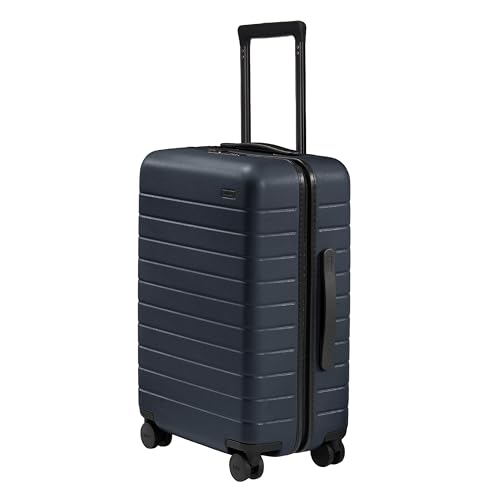
The American Tourister Burst Max V hardside spinner luggage is a practical choice for travelers who want a polycarbonate shell, four spinner wheels and a layout that works across airline and checked-bag sizes. It suits frequent leisure travelers and families who value easy maneuvering through airports. Readers who need the lightest possible bag, or who expect to pack an extremely tight carry-on, will likely look at lighter or more compact alternatives. Because the Burst Max V line includes several sizes, the right pick depends mostly on which dimensions your airline allows and how much you plan to pack.
Before comparing the two main options, it helps to understand the scope. This review focuses on the Burst Max V hardside spinner as a category of bag, and compares it against a second widely sold hardside spinner that shoppers often consider at the same time. The goal is a direct, criteria-by-criteria look so you can match the bag to your trips rather than to a marketing headline.
Comparison at a Glance
| Criterion | American Tourister Burst Max V Hardside Spinner | Generic Polycarbonate Hardside Spinner (Comparison Option) |
|---|---|---|
| Shell material | Polypropylene-based hardside shell with a textured surface | Polycarbonate or ABS hardside shell, typically smooth |
| Wheel setup | Four multidirectional spinner wheels | Four multidirectional spinner wheels |
| Available sizes | Multiple sizes in the line, from carry-on to large checked | Usually carry-on and medium options |
| Interior organization | Divider-style compartments with a zippered lid pocket | Varies; often a single main compartment with a lid pocket |
| Empty weight (manufacturer-specified, varies by size) | Moderate for a hardside spinner | Moderate to light, depending on the model |
| Scratch and dent resistance | Textured surface helps hide scuffs | Smooth surfaces show scuffs more readily |
| Best for | Mixed-use trips, families, shoppers who want size options | Minimalist packers, shoppers focused on a single carry-on size |
Size and Airline Fit: Which Bag Wins
Size is the first thing to check, because a carry-on that is even half an inch over your airline’s limit can be sent to the gate or the baggage belt. Most US carriers cap carry-ons at roughly 22 x 14 x 9 inches including wheels and handles, though exact limits and any personal-item rules differ by airline, and some carriers publish slightly different figures. Always confirm the current dimensions on your airline’s website before you buy.
The Burst Max V’s advantage is range. Because the line runs from carry-on through larger checked sizes, one brand can cover a solo weekend and a two-week family trip without mixing shells. That consistency matters if you want matching bags for a group. The comparison option is more focused, and in its carry-on size it can sit a little under the common limits, which helps travelers who regularly hit tight overhead bin space on regional jets.
Winner for size and airline fit: The Burst Max V, if you want multiple sizes in one family. The comparison option wins if your priority is the smallest possible carry-on footprint.
Shell Durability: Which Bag Wins
Hardside shells are rated mostly on how they handle impacts, cracks and surface wear. Polycarbonate is generally described as tougher and more flexible, while ABS is harder but can crack under sharp impacts. Polypropylene shells are often described as lighter and more forgiving of flexing. The Burst Max V uses a textured polypropylene-based shell, and owners often report that the surface hides scuffs better than smooth finishes do, which matters on a bag that gets dragged across terminal floors.
The comparison option, when built from polycarbonate, may offer better resistance to cracking under a hard drop, while a smooth surface can show scratches more clearly. Neither material is immune to damage. Check the manufacturer’s warranty terms, since coverage for shell cracks, wheel failures and zipper defects varies by brand and by product line.
Winner for shell durability: Split decision. The Burst Max V wins for everyday scuff concealment. The polycarbonate comparison option may be better if you prioritize impact resistance on rough handling.
Weight: Which Bag Wins
Empty weight matters more than most shoppers expect. A bag that weighs 2 pounds less leaves more room under a checked-bag weight limit, which is commonly set at 50 pounds for many US domestic economy fares, though fees and limits vary. Manufacturers list empty weight for each size, and you should compare the listed figure for the exact size you are considering rather than comparing across different sizes.
For carry-ons, a few pounds of difference is mostly a comfort issue when lifting into an overhead bin. For larger checked bags, the gap becomes more significant. Compare the specified weights side by side and then weigh your packed bag at home on a bathroom scale to confirm you are under the limit with room to spare for souvenirs.
Winner for weight: Whichever bag has the lower manufacturer-specified empty weight in your chosen size. Check the spec sheet for that exact size, since figures vary across the line.
Wheels and Maneuverability: Which Bag Wins
Four spinner wheels allow the bag to roll in any direction, which is the main reason to choose a spinner over a two-wheel design. Both options use four spinners, so the difference comes down to wheel housing, axle quality and how the handle feels. Owners often mention that spinners glide well on smooth airport floors, but may feel less stable on cobblestones or thick carpet.
Test the handle before buying if you can. Extend it fully and check for wobble. Lock it in each position. Push the bag across a flat surface and listen for grinding. A trolley-style telescoping handle with two stages is common on this type of bag and generally gives a steadier ride than a single-stage handle.
Winner for wheels: Tie. Both use four spinner wheels, so the choice depends on handle stability and how you travel. For a deeper look at the trade-offs, see Spinner vs Two-Wheel Luggage Spinner vs Two-Wheel Luggage: Which Rolls Better for Your Trips?.
Interior Organization: Which Bag Wins
The Burst Max V’s divider-style compartments help separate clothing, shoes and toiletries, which reduces the need for packing cubes on short trips. A zippered lid pocket keeps chargers, documents and small items reachable without opening the main compartment. If you pack for a family or a business trip with dress shirts, the structure can keep garments from shifting.
The comparison option may offer a single open compartment, which some packers prefer because it allows flexible loading and easier access to everything at once. Both designs benefit from compression straps. If you travel with several packing cubes, a single open compartment can be more adaptable. For more on organizing soft and hard interiors, see Soft-Side Luggage: Fabrics, Expansion and Pockets Soft-Side Luggage: Fabrics, Expansion and Pockets.
Winner for interior organization: The Burst Max V for built-in structure. The comparison option for packers who prefer an open layout and use their own cubes.
Security and Locks: Which Bag Wins
Both bags use built-in zipper or latch closures, and you can add a lock to the zipper pulls or latches. TSA-accepted locks allow inspectors to open the bag without cutting the lock, but these are not the same as tamper-proof seals. Understanding what these locks do and do not do can prevent false confidence. For a full explanation, read TSA Luggage Locks Explained: What They Do and Do Not Do TSA Luggage Locks Explained: What They Do and Do Not Do.
Check whether the bag has lockable zipper pulls or a dedicated lock point. Some hardside bags have a single lock loop and others have two. If you travel internationally, a lock that fits the zipper pulls securely is more useful than one that dangles loosely.
Winner for security: Tie in practice. Confirm the lock points on the exact size you buy, and use a TSA-accepted lock if you want inspectors to open the bag without damaging it.
Warranty and Repairability: Which Bag Wins
Warranty terms are often where bags differ most. Some brands offer limited lifetime coverage on the shell and frame, while others limit coverage to a set number of years. Read the actual terms, since coverage for wheels, handles and zippers may differ from coverage for the shell. Keep your receipt and register the product if the brand asks you to.
Repairability matters for long-term use. Replacement wheels and handles are easier to source for popular lines, and a bag with standard, replaceable spinner wheels can be fixed at home or by a repair shop. For guidance on picking bags built to last, see Choosing Luggage for Long Trips: Durability and Repairability Choosing Luggage for Long Trips: Durability and Repairability.
Winner for warranty and repairability: Compare the written warranty for your chosen brand and size. The bag with clearer, more generous coverage and easily sourced replacement parts wins.
Which Should You Choose?
- Choose the Burst Max V if you want a family of sizes from one brand, a textured shell that hides scuffs, and built-in compartments that organize clothing without extra cubes.
- Choose the comparison option if you want the smallest possible carry-on, prefer an open interior, or prioritize the impact resistance of a polycarbonate shell.
- Choose the Burst Max V if you travel with family and want matching luggage in different sizes.
- Choose the comparison option if you fly mostly on regional jets with strict overhead bin limits and need the most compact carry-on.
- Choose either if you mostly travel domestically and plan to measure your bag before every flight.
For a broader look at size limits and what to bring onboard, see How to Choose Carry-On Luggage: Size Limits, Weight and Wheels How to Choose Carry-On Luggage: Size Limits, Weight and Wheels.
Where to Buy
Both options are sold on Amazon US. Compare the exact size you need, because dimensions and weights change across the range.
View on AmazonFAQ
Is the American Tourister Burst Max V hardside spinner luggage good for carry-on use?
The Burst Max V line includes a carry-on-sized option, and many travelers use it for that purpose. Measure the bag with its handles and wheels in the closed position and compare the result to your airline’s current limits, since these can change.
Is the Burst Max V shell made of polycarbonate?
Product descriptions for the Burst Max V describe a polypropylene-based hardside shell with a textured finish. Check the listing for your specific size, because material details can vary between product lines.
Does the Burst Max V include TSA-accepted locks?
Lock points are typically built into the zipper pulls or latches, but locks are usually sold separately. A TSA-accepted lock allows inspectors to open the bag without cutting it. Confirm the lock points on the exact model before buying.
How do I know if a hardside spinner will fit my airline’s overhead bin?
Measure the bag at its widest, tallest and deepest points with wheels and handles included. Compare to your airline’s published carry-on dimensions. Overhead bin space varies by aircraft, so a bag that fits the official size may still be checked at the gate on a crowded flight.
Is a hardside spinner better than a soft-sided bag for frequent travel?
Hardside bags tend to protect contents better from compression and wet weather, while soft-sided bags often offer more flexible expansion. Your choice depends on how you pack and how much protection you need. Consult the manufacturer’s care instructions for the best long-term results.
Conclusion
The American Tourister Burst Max V hardside spinner luggage is a sensible pick for shoppers who want a range of sizes, a scuff-hiding shell and organized interiors. The comparison option is the better choice if you need the smallest carry-on or prefer an open layout. Measure your airline’s current limits, check the spec sheet for your exact size, and read the warranty before you buy. Those three steps will do more to get the right bag than any single feature.
Related reading
About Emily Parker
Emily Parker is part of our editorial team and reviews and edits our luggage & travel tech guides, checking product details against manufacturer specifications and owner feedback.