By Emily Parker
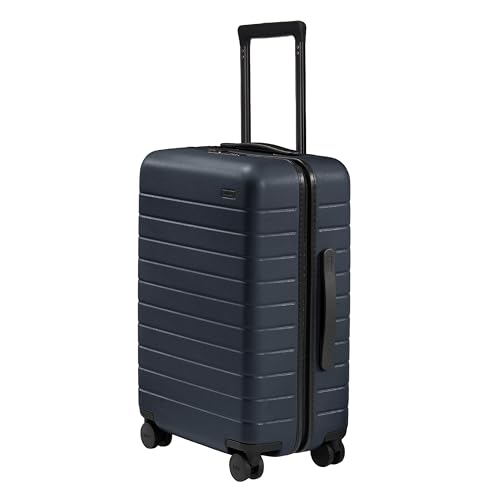
The Samsonite Outline Pro hardside spinner luggage is a polycarbonate hard-shell suitcase built around four spinner wheels and a telescoping handle. This guide walks you through what the line includes, how to check whether a given size fits your airline, how the shell and wheels hold up over time, and how to decide between a carry-on and a larger checked bag. By the end, you should know which size to order and what to look for when you compare it with other hardside options.
What the Samsonite Outline Pro Line Includes
The Outline Pro is a hardside collection sold in several sizes, typically including a carry-on, a medium checked bag and a large checked bag. Availability of individual sizes and colors changes over time, so check the current product listing before you buy. Samsonite markets the line as a lightweight hardside option with spinner wheels, and that combination is what most buyers are shopping for.
Shopping for one? See our guide: American Tourister Burst Max V Hardside Spinner Luggage: Is It Worth Buying?.
When you read a product page, look for four things: the exterior dimensions (height, width and depth, with wheels and handle excluded or included as stated), the empty weight, the interior capacity in liters, and the warranty terms. Manufacturers usually list dimensions with the handle retracted, which matters when you measure against airline limits.
Step 1: Check the Exterior Dimensions Against Your Airline
Airline carry-on limits are the single most common reason people return a suitcase. Most US carriers publish a maximum linear size, often around 22 x 14 x 9 inches for a carry-on, but the exact figure varies by airline and by fare class. Some budget carriers enforce tighter limits or charge for bags that exceed a smaller “personal item plus carry-on” allowance.
Use this process before you commit to a size:
- Find the carry-on dimensions in the listing and confirm whether they include wheels and the handle.
- Look up your airline’s current carry-on size and weight limit on its website. Do not rely on a memory from a previous trip.
- Compare the listed height, width and depth against the airline’s linear total. A bag that measures 22 x 14 x 9 inches exactly will fit most standard checkpoints, but a few extra fractions of an inch can put you over.
- Weigh the bag empty, then add a realistic packing load to estimate your departure weight. Many airlines cap carry-ons at 35 to 50 pounds, though some international carriers set lower limits.
If you travel on several airlines, pick the strictest limit you encounter and buy to that. A suitcase that fits everywhere is worth more than a slightly larger one that you have to check at the gate.
Step 2: Evaluate the Hardside Shell
The Outline Pro uses a hardside construction, which means the outer shell is a rigid material rather than fabric. Polycarbonate is the most common hard-shell material in this category because it flexes under impact rather than cracking. For a more detailed comparison of shell materials, see Polycarbonate, ABS, Polypropylene or Aluminum: Hard-Shell Luggage Materials.
What a Hardside Shell Does Well
- It resists moisture and keeps wet items from soaking into the interior.
- It protects fragile contents from compression better than soft fabric.
- Most hardside designs are easy to wipe clean.
Where a Hardside Shell Falls Short
- Scratches show more readily on glossy finishes, though many owners find they blend in over time.
- A rigid shell offers little give, so overpacking can stress the zippers, the seams or the hinge area.
- Hardside bags usually have fewer exterior pockets than soft-side designs.
If you pack a lot of loose items you need to reach quickly, a soft-side bag with external pockets may suit you better. The tradeoffs are covered in Soft-Side Luggage: Fabrics, Expansion and Pockets.
Step 3: Judge the Spinner Wheels and Handle
Spinner wheels rotate 360 degrees and let the bag roll alongside you or in any direction. Two-wheel designs, by comparison, roll on a fixed axis and are pulled behind you. For a side-by-side look at how each performs in airports, read Spinner vs Two-Wheel Luggage: Which Rolls Better for Your Trips?.
When you assess the wheels and handle, consider the following:
- Wheel quality. Smooth, quiet wheels are easier on your arm over long terminal walks. Check whether the wheels are replaceable, since replacement parts extend the life of the bag.
- Handle extension. Telescoping handles should lock firmly at each height. A wobbly handle usually signals a weak locking mechanism.
- Top handle placement. A sturdy top grip helps when you lift the bag into an overhead bin or onto a scale.
Step 4: Look at the Interior Layout and Capacity
Interior capacity is listed in liters on most product pages. Use it as a rough guide, but do not rely on it alone. Two bags with the same liter count can pack very differently depending on whether they have a divider panel, a laundry bag, compression straps or a zippered mesh pocket.
| What to check | Why it matters |
|---|---|
| Interior dividers | Keeps clothing organized and separates shoes or toiletries from clean items. |
| Compression straps | Reduces bulk and helps the lid close on a full load. |
| Expansion zipper | Adds a few inches of depth for souvenirs, but can push the bag past airline limits if used on the plane. |
| Empty weight | Lighter shells leave more room in your weight allowance. |
Be cautious with expansion zippers. Many airlines measure the bag in its expanded state, so you may need to fully close the expansion before boarding. Confirm the rule with your carrier.
Step 5: Check the Lock and Security Options
Most hardside Samsonite designs include a combination lock or a built-in TSA-recognized lock system. TSA-accepted locks allow officers to open the bag with a master key during screening without cutting the lock. The limits of these locks are worth understanding. See TSA Luggage Locks Explained: What They Do and Do Not Do for details.
Common Mistakes to Avoid
- Measuring the bag without the wheels. Airlines usually measure with wheels and handle included, so a bag that looks like it fits on the product page may not fit at the gate.
- Buying a checked-size bag for carry-on use. Medium and large models in this family are often too big for overhead bins. Check the label on each size.
- Ignoring the weight limit. A hardside bag is heavier than many soft-side options. Once you add a full load, you may exceed the airline’s carry-on weight.
- Overpacking the expansion zipper. Forcing extra items into an expanded bag can stress the zipper and hinge.
- Skipping the warranty details. Read whether the warranty covers wheels, handles and zippers, and whether it requires registration.
Tips for Getting the Most From Your Outline Pro
- Pack heavy items low and close to the wheels to keep the bag stable.
- Store the bag with the handle retracted and the wheels clean to reduce grit buildup.
- Wipe the shell with a damp microfiber cloth after trips, especially if the bag rode in a cargo hold.
- Use a luggage tag with your contact details inside the bag as well as outside.
- Re-check airline size rules before each trip, since they change without much notice.
Recommended Gear
- Samsonite Outline Pro packing cubes. Packing cubes sized to the bag’s interior help you compress clothing and find items quickly. View on Amazon
- Digital luggage scale. A portable scale lets you check your departure weight before you reach the check-in counter. View on Amazon
- Luggage tags with privacy flaps. Tags that hide your address from casual viewers add a layer of privacy on checked bags. View on Amazon
- Replacement spinner wheels for hard-shell luggage. Replacement wheels can restore smooth rolling on an older bag rather than replacing the whole suitcase. View on Amazon
FAQ
Is the Samsonite Outline Pro hardside spinner luggage a carry-on?
The carry-on size in the line is designed to meet common airline limits, but you should confirm the exact dimensions with the product listing and your airline. Larger sizes in the same family are intended for checked baggage.
What material is the Outline Pro shell made of?
Check the current product listing for the exact shell material, since manufacturers occasionally update specifications. Hardside luggage in this category is commonly made from polycarbonate or a polycarbonate blend.
Does the Outline Pro have spinner wheels?
Yes, the line is marketed with four spinner wheels that rotate 360 degrees, allowing the bag to roll in any direction.
Can I bring a hardside spinner bag as a carry-on on every airline?
Not automatically. Each airline sets its own size and weight limits and may differ on fare classes. Check your carrier’s current policy before you fly.
How do I know whether a checked bag will fit a carry-on bin?
Measure the bag with wheels and handle included and compare the total against your airline’s linear limit. If the bag is larger, plan to check it.
Do hardside bags scratch easily?
Hardside shells can show scratches, especially on glossy finishes. Matte or textured finishes tend to hide marks better, and many owners report that light scuffs become less noticeable with use.
Should I use a TSA-approved lock?
A TSA-accepted lock lets screeners open your bag with a master key if they need to inspect it. Using one is a reasonable choice for most travelers, but it does not guarantee that your contents are secure from theft.
How should I clean a hardside suitcase?
Wipe the shell with a damp microfiber cloth and mild soap, then dry it fully. Avoid harsh solvents, which can dull or damage the finish.
Conclusion
The Samsonite Outline Pro hardside spinner luggage suits travelers who want a rigid shell, spinner wheels and a clear sizing choice. Start by confirming the exterior dimensions and weight against your airline’s current rules, then judge the shell, wheels and interior for your packing style. Once you have the right size, a few simple habits, such as checking weight before you leave and keeping the wheels clean, will help the bag last across many trips.
Ready to choose one?
About Emily Parker
Emily Parker is part of our editorial team and reviews and edits our luggage & travel tech guides, checking product details against manufacturer specifications and owner feedback.