By Emily Parker
Updated November 2026
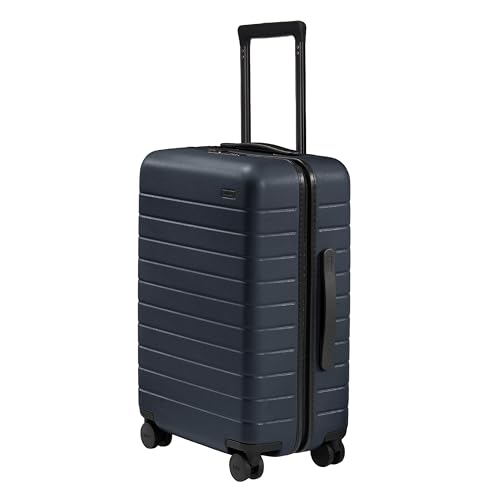
A 22 x 14 x 9 inches carry on luggage bag is the size most US airlines use as their standard overhead limit, so it’s the target many travelers shop for. This guide explains what those three numbers really mean, how airlines measure bags with wheels and handles, and how to choose a bag that fits both the overhead bin and your packing needs. You’ll also get a checklist for verifying a bag before you fly. For a deeper look, TSA Rules Carry On Luggage: 6 Best Picks Compared (2026) covers this in detail.
What 22 x 14 x 9 Inches Actually Measures
The dimensions are listed as height x width x depth, though manufacturers and airlines don’t always use the same order. In practice, 22 inches is the longest side (top to bottom when the bag stands upright), 14 inches is the width, and 9 inches is the depth. The total linear measurement is 45 inches, which is the figure some airlines reference in their policies.
Shopping for one? See our guide: 5 Best Carry On International Luggage for Long-Haul Trips (2026).
Keep in mind that the listed dimensions are usually the bag’s outer shell, measured at its largest point. Wheels, handles, and any exterior pockets that bulge can push the actual footprint slightly past the published numbers.
How Airlines Measure Your Bag
Most carriers measure carry-on luggage with a sizer frame, a metal or plastic box that the bag must fit into. Some gate agents also use a visual check. The measurement generally includes:
- Wheels and the telescoping handle, which are counted when the handle is retracted
- Side pockets and expansion zippers, if they are fully closed
- Any molded corners or protrusions on the shell
Airlines differ on how strictly they enforce the rule. A bag at 22 x 14 x 9 inches usually passes a sizer, but a bag rated 22 x 14 x 9 that is packed to bulging may not. Check your carrier’s current policy on its official website before you fly, because limits and fee structures change.
Step-by-Step: Confirming a Bag Will Fit
Step 1: Check the Manufacturer’s Listed Dimensions
Look for the exterior dimensions on the product page or the tag. Some brands list “with wheels and handle,” while others list only the shell. The first number is the one that matters most, so pick a bag that is at or under 22 inches in height when measured with the wheels.
Step 2: Measure the Bag Yourself
Use a soft tape measure. Stand the bag upright with the handle retracted, measure height from the bottom of the wheels to the top of the handle housing, then measure width and depth at the widest points. Close all zippers and compress any expansion panels.
Step 3: Compare Against Your Airline’s Limit
Many US carriers publish a limit close to 22 x 14 x 9 inches, but a few use slightly different sizes or total-dimension caps. Verify your specific airline and, if you’re flying a budget carrier, check whether a personal item allowance applies in addition to the carry-on.
Step 4: Test the Fit in a Sizer
If you have access to a sizer at the airport, test the bag there before boarding. Pack the bag as you would for the trip, because a half-empty bag can look fine while a fully packed one bulges.
Choosing the Right Construction for This Size
Bags in the 22 x 14 x 9 range come in hardside, softside, and hybrid designs. The construction affects both how much you can pack and how the bag behaves when the overhead bin is tight.
| Construction | Typical Strengths | Typical Drawbacks |
|---|---|---|
| Hardside (polycarbonate or ABS) | Shell resists crushing; good for fragile items | Less flexible; can be harder to squeeze into tight bins |
| Softside (nylon or polyester) | Compresses slightly; often has external pockets | Can bulge when overfilled; less protection for contents |
| Hybrid | Balance of structure and flexibility | Usually heavier than pure softside designs |
Softside bags are often the safer choice for tight overhead bins because they give slightly when pushed. Hardside bags are a better option if you carry electronics or breakables, and they tend to hold their shape well over time.
Packing Within the 22 x 14 x 9 Footprint
Packing efficiently makes a bag feel roomier without exceeding the limit. Roll soft clothing, use packing cubes to compress layers, and place heavier items near the wheels so the bag stays stable. Leave a little space at the top so the zipper closes without straining the seams.
Packing Checklist
- Weigh the packed bag, since some airlines also enforce weight limits
- Close all zippers without forcing them
- Keep liquids in a clear bag if they go in the carry-on
- Keep chargers and batteries accessible for security screening
- Confirm the bag still passes a sizer after packing
Common Mistakes When Buying a 22 x 14 x 9 Bag
- Trusting the listed size alone. Wheels and handles can add height, so measure the full bag.
- Ignoring the personal item rule. Some airlines allow only one small bag in addition to the carry-on.
- Overpacking a soft bag. Bulging side panels are the most common reason for a gate check.
- Assuming all airlines match. Regional and budget carriers sometimes use stricter limits.
- Buying by brand alone. Two bags with the same listed dimensions can measure differently in practice.
Tips for Staying Within the Limit
- Measure after packing, not before.
- Choose a bag with a fully closing zipper and minimal exterior bulk.
- Use the bag’s built-in compression straps if it has them.
- Keep a small tape measure in your travel kit for quick checks.
- If you are close to the limit on one airline, check whether a different carrier on your route uses the same size rule.
Recommended gear
A few accessories make it easier to confirm fit and keep a 22 x 14 x 9 bag organized.
- Soft tape measure: Lets you check the full height with wheels and handle, which is where most sizing errors happen. View on Amazon
- Packing cubes: Compress clothing into uniform blocks so the bag closes evenly and holds its shape. View on Amazon
- Luggage scale: Helps you confirm the packed weight before reaching the gate. View on Amazon
FAQ
Is 22 x 14 x 9 inches the standard carry-on size?
It is the size many US airlines reference as their carry-on limit, but it is not universal. Always check your specific carrier’s published dimensions before you fly.
Do wheels and handles count toward the size limit?
Often yes. Airlines typically measure the bag with wheels and the handle retracted, so the total height can exceed the printed shell dimension.
Can a 22 x 14 x 9 bag be checked as a personal item?
Generally no. Personal items are usually smaller, such as a backpack or small tote. Some carriers allow one personal item plus one carry-on, but the carry-on still has to meet the size limit.
Will a soft bag fit more than a hard one?
A soft bag can sometimes fit more because it compresses, but overfilling it can cause it to fail a sizer. Pack to a comfortable fill rather than to maximum bulge.
What happens if my bag is too big at the gate?
The gate agent may ask you to check the bag, which can mean a fee depending on the airline and fare type. Measuring before you travel is the best way to avoid this.
Does the size rule change for international flights?
It can. Some international carriers use metric measurements or different limits. Check the airline’s policy for each leg of your trip.
Should I buy a bag exactly at the limit?
Many travelers choose a bag slightly under the limit, such as 21.5 inches in height, to leave room for wheel and handle variations. This margin helps when airlines measure strictly.
Conclusion
A 22 x 14 x 9 inches carry on luggage bag is designed to meet the standard overhead limit on many US flights, but the real measurement depends on wheels, handles, and how full the bag is. Measure the bag yourself, test it in a sizer when possible, and confirm your airline’s current policy. With the right construction and packing habits, you can carry what you need without surprises at the gate.
Related reading
- Carry On Luggage 22 X 14 X 9: Size Limits, Fit and Airline Rules
- 22 X 14 X9 Carry On Luggage: Will It Fit Airline Limits? (Guide)
- Verdi 21 Hardside Spinner Carry On Luggage: 7 Best Picks Compared (2026)
- Underseater Carry On Luggage: 7 Best Picks Compared (2026)
Ready to choose one?
About Emily Parker
Emily Parker is part of our editorial team and reviews and edits our luggage & travel tech guides, checking product details against manufacturer specifications and owner feedback.