By Emily Parker
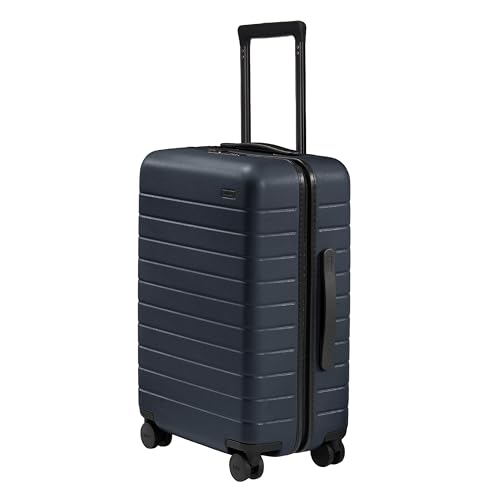
Hawaiian Airlines carry on luggage size limits are straightforward once you know the numbers, but the details around weight, personal items and gate checks trip up many travelers. This guide gives you the maximum carry-on dimensions, explains how to measure your bag correctly, and shows you how to confirm your luggage will fit before you reach the airport. By the end, you should know whether your current bag qualifies or whether you need a different one for your next Hawaiian flight.
Hawaiian Airlines Carry On Luggage Size: The Core Numbers
Hawaiian Airlines publishes its carry-on allowance in total linear inches, which is the sum of length, width and height. Manufacturers and airline policy pages commonly list the standard carry-on limit as 22 x 14 x 9 inches, or 45 linear inches total, including wheels and handles. That is the size most travelers should design their packing around. Always check the current published policy on the airline’s website before you fly, because allowances can change between route types and fare classes.
Shopping for one? See our guide: Protege Carry On Luggage: 7 Best Picks for Airline Size Limits (2026).
Hawaiian operates both mainline and Alaska-branded aircraft on many routes, and bag fit can vary by cabin and aircraft. Overhead bins on narrowbody planes generally accommodate the standard 22 x 14 x 9 size, but space fills quickly, and gate agents may check bags at the door when compartments are full. Smaller bags reduce the chance of being asked to gate check.
How the Carry On Luggage Size Limit Works in Practice
The size rule applies to the full outer dimensions of the bag. That means wheels, extended handles, exterior pockets and any protruding feet count toward the measurement. A bag that measures 22 x 14 x 9 when empty may exceed the limit once you add a packed exterior pocket or an overstuffed frame. Measure the bag as you would pack it for the flight, not as it looks on the showroom floor.
Steps to Measure Your Bag Correctly
- Empty the bag completely and remove any detachable accessories you will not use in flight.
- Extend the handle fully and retract the wheels into their housing if the design allows.
- Measure length from the bottom of the wheels to the top of the handle, or the longest point.
- Measure width from the widest side-to-side point, including side zippers and pockets.
- Measure height from the base to the top of the bag, including any expansion zippers.
- Add the three numbers together and compare the total to the published linear inch limit.
- Repeat the measurement after packing, because soft-sided bags often grow once full.
Tools You Need for Measuring
- A flexible tape measure, preferably one marked in inches and centimeters.
- A rigid ruler or yardstick for measuring flat surfaces and checking straight edges.
- A bathroom scale for weighing the bag before you leave home.
- A marker or painter’s tape for noting the measurements on the bag’s tag for reference.
Weight Limits and Personal Item Rules
Hawaiian Airlines, like most carriers, sets a carry-on weight recommendation rather than a strict universal figure in many fare cases, and enforcement varies. Check the current policy, but plan around a bag that is light enough to lift into an overhead bin without strain. Packing a fully loaded bag that weighs well over 20 pounds can make overhead storage difficult and may draw attention at boarding.
Your personal item is a separate allowance. A small backpack or tote that fits under the seat in front of you usually qualifies. Keeping your laptop bag, travel pillow and in-flight purse within the personal item size avoids doubling up on the carry-on limit. For a deeper look at how bags are measured across carriers, see Checked Luggage Size Guide: Linear Inches and Weight Limits, which explains linear-inch math in detail.
Choosing a Bag That Fits the Hawaiian Carry-On Limit
Most travelers buying a new bag should look for models designed to the 22 x 14 x 9 standard rather than simply labeled “carry-on.” Some brands sell bags that look compliant but measure a little larger once wheels are included. Read the manufacturer’s listed external dimensions closely and compare them against the airline limit. If you want a short list to start from, How to Choose Carry-On Luggage: Size Limits, Weight and Wheels walks through the trade-offs between hard and soft shells, wheel types and interior capacity.
Soft-sided bags have an advantage because they can compress slightly to slide into tight bins, while hard shells hold their shape but leave less margin. Some expandable bags are marketed with a larger capacity when the zipper is extended, but if the expansion pushes the total dimensions past 22 x 14 x 9 before you reach the gate, the bag may need to be gate checked. Check whether the expansion is meant for use in flight or only after you have landed.
Carry-On Bag Types to Compare
| Bag type | Typical strength | Things to watch for |
|---|---|---|
| Hard-shell rolling case | Protects contents, holds shape | Little give; measure the shell carefully |
| Soft-sided rolling case | Flexes to fit tight bins | Bulges when overfilled; check packed dimensions |
| Carry-on duffel | Easy to squeeze into spaces | Often lacks wheels; can sag when heavy |
| Expandable case | Extra room when needed | Expansion may exceed limits in flight |
Gate Checks and What to Do If Your Bag Is Too Large
If a gate agent determines your bag exceeds the size limit or the overhead bins are full, you may be asked to check it. Gate checks at Hawaiian are typically free for standard allowances, but the bag will be tagged and placed in the cargo hold. To reduce the chance of this, board early if your fare allows, and remove essentials like medications, chargers and a change of clothes before handing over a bag.
Fragile items and electronics should stay in your personal item. Many travelers also pack a lightweight tote that can be folded and stored in a larger bag to act as extra room in a pinch. Keep the bag’s tag visible and make sure your name and contact information are on both the inside and outside.
Common Mistakes
- Measuring the bag without wheels and handles, then being surprised at the gate.
- Assuming a bag labeled “carry-on” always meets the Hawaiian limit.
- Forgetting that exterior pockets and expansion zippers add to the total dimensions.
- Packing so heavily that the bag is difficult to lift into the bin.
- Ignoring the personal item size and loading too much into a second bag.
- Relying on an old policy screenshot instead of checking the current airline page.
Tips for Staying Within the Limit
- Measure your bag at home once, then again after packing your typical load.
- Use packing cubes to keep the bag’s shape even and prevent bulging.
- Wear your heaviest shoes and jacket on the plane to free up space.
- Keep liquids and toiletries in a clear quart bag in your personal item for quick security screening.
- Save a photo of the bag’s measured dimensions on your phone to show if questioned.
Recommended gear
A flexible tape measure helps you verify linear inches accurately, especially on soft-sided bags whose shape changes when packed. Hold it along the wheels and handle to capture the true outer dimensions.
A small digital luggage scale lets you confirm weight before you reach the airport, so you are not repacking at the check-in counter.
Compression packing cubes keep a soft bag from bulging past the limit while still organizing clothing efficiently.
FAQ
What is the Hawaiian Airlines carry on luggage size?
The commonly published standard is 22 x 14 x 9 inches, or 45 linear inches total including wheels and handles. Always confirm the current figure on the airline’s website before your flight.
Do wheels and handles count toward the carry-on size?
Yes. The airline measures the bag’s full outer dimensions, so wheels, extended handles and exterior pockets all add to the total.
Is there a separate weight limit for carry-on bags?
Weight rules can vary by fare and route, and enforcement is not always strict. Packing a bag you can lift comfortably into an overhead bin is the safest approach.
Can I bring a backpack in addition to a carry-on?
A personal item, such as a backpack or small tote that fits under the seat, is usually allowed alongside a carry-on. Confirm the personal item size on the current policy.
What happens if my bag is too big?
The gate agent may ask you to gate check it. The bag will be placed in the cargo hold and returned at baggage claim, so keep essentials in your personal item.
Does an expandable bag count as a larger carry-on?
Expandable bags are only compliant if the total dimensions stay within the limit when expanded. If the expanded size is larger, the bag may be gate checked, so measure it in both states.
Should I consult anyone about bag weight if I have a medical condition?
If lifting a bag is difficult for you because of a physical condition, consult your doctor or a physical therapist about safe lifting, and consider a lighter bag or a checked option.
Conclusion
Hawaiian Airlines carry on luggage size is generally 22 x 14 x 9 inches, measured including wheels and handles. Measure your bag fully packed, check the current policy before you fly, and keep essentials in your personal item in case a gate check is needed. With the right bag and a little preparation, you can avoid surprises at the gate.
Related reading
- European Carry-On Luggage Size: 9 Best Picks for Tight Airline Limits
- Carry-On Luggage American Airlines: Size Limits and Tips for 2026
- Carry On Underseat Luggage: Sizes, Fit and Airline Rules (2026)
- Carry On Luggage for Southwest Airlines: Size Limits and Tips (2026)
Ready to choose one?
About Emily Parker
Emily Parker is part of our editorial team and reviews and edits our luggage & travel tech guides, checking product details against manufacturer specifications and owner feedback.