By Emily Parker
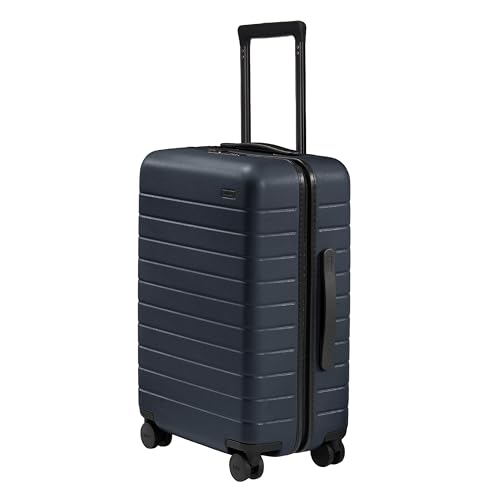
Carry on luggage for Southwest Airlines follows a simple core rule: one carry-on bag and one personal item per passenger, sized to fit the overhead bin space and the under-seat dimensions published by the airline. In this guide you will learn the exact size and weight rules to measure against, how to confirm your bag will be accepted before you reach the gate, and how to pack so you avoid being asked to check it at the last minute.
Southwest Carry-On Size and Weight Basics
Southwest’s published guidance for a standard carry-on bag is a maximum of 24 inches long, 16 inches wide, and 10 inches high, including wheels and handles. Measure the bag at its largest points, not just the labeled dimensions printed by the manufacturer, because the brand’s stated size often leaves out protruding wheels, side handles, or expansion zippers. Manufacturers specify these numbers as external dimensions, so a bag marketed as “22 inches” may still fail a gate check if its wheel housing adds half an inch.
Weight limits are the other factor to watch. Southwest does not set a firm pound limit for carry-on bags in the way some international carriers do, but it reserves the right to require any bag that appears too heavy to lift into the overhead bin to be checked. In practice, many travelers aim for a bag under about 40 pounds, since a heavier suitcase is harder to lift safely and more likely to draw attention at the gate.
Personal Item Rules
Each passenger also gets one personal item that must fit under the seat in front of them. A typical limit is about 18 by 14 by 8 inches, and the item must stay completely under the seat during the flight. Backpacks, small totes, and laptop bags all qualify as long as they stay within those measurements. If you are using the personal item allowance for a laptop, purse, or travel pillow, check that everything you need fits without overstuffing the bag.
How to Make Sure Your Bag Qualifies
Confirming your bag fits before you leave home saves a stressful scene at the gate. Follow these steps to check your luggage against the current limits:
- Fully extend the handle and check the total height, including wheels.
- Measure the width at the widest point, including side pockets or bulges.
- Measure the length from the front to the back, including any wheel housings that stick out.
- Pack the bag as you would for the trip, then weigh it on a bathroom scale.
- Compare your results with the current Southwest carry-on guidance on the airline’s website, since rules can change.
Using a Sizer Tool
A soft measuring tape works for a quick check, but a rigid sizer box gives you a more reliable answer. Many travelers test their bag in a sizer at home so there are no surprises at the airport. Remember that a bag that barely fits may still be squeezed out of an overhead bin on a full flight, so leave a little margin.
Checklist: What to Have Ready Before You Pack
- Current Southwest carry-on dimensions and weight guidance
- A soft measuring tape or rigid sizer
- A bathroom scale for weighing packed luggage
- A personal item that fits under the seat
- Your boarding pass, with group number printed or saved to your phone
Carry-On Size Comparison Table
The table below summarizes the typical limits you should plan around. Always confirm current figures with the airline before you fly.
| Item | Typical Maximum Size | Where It Goes |
|---|---|---|
| Carry-on bag | 24 x 16 x 10 inches | Overhead bin |
| Personal item | About 18 x 14 x 8 inches | Under the seat in front of you |
| Checked bag (for comparison) | Varies by fare and route | Baggage hold |
Packing Tips to Avoid a Gate Check
Even a bag that measures correctly can be flagged if it looks overstuffed or bulges beyond its frame. Soft-sided bags with expansion zippers are a common source of trouble, since a fully expanded bag may exceed the limit. Keep expansion closed for your flight, and compress clothing into packing cubes so the bag keeps a regular shape. If your bag has a rigid shell, avoid stacking heavy items on the top, which can make the lid bulge and push the dimensions past the limit.
For a deeper look at how bag construction affects fit, see How to Choose Carry-On Luggage: Size Limits, Weight and Wheels. If you prefer a softer bag, Soft-Side Luggage: Fabrics, Expansion and Pockets explains how expansion features behave in real use.
Recommended gear
A few supplies make it easier to meet carry-on rules without repacking at the airport.
- Packing cubes: Compressing clothing into cubes keeps a soft bag in its intended shape and prevents bulging. View on Amazon
- Luggage scale: A hanging scale lets you check weight before you reach the counter. View on Amazon
- Rigid luggage sizer: A plastic frame lets you test fit at home in seconds. View on Amazon
Common Mistakes
- Measuring only the labeled size and forgetting wheels or handles.
- Leaving expansion zippers open on a soft bag at the gate.
- Overloading the personal item so it no longer fits under the seat.
- Assuming the rules are the same on every airline. Southwest’s approach differs from carriers with strict pound limits.
- Skipping the weight check, then getting flagged because the bag feels too heavy to lift.
Tips for Boarding Smoothly
Your carry-on bag’s boarding position depends on your fare and check-in time, so arrive early and be ready to board quickly. Keep your personal item packed so that anything needed during the flight is accessible without unpacking the bag under the seat. If you want more ideas for travel accessories that make organizing easier, Carry-On Accessories Checklist lists useful additions.
FAQ
Does Southwest charge for a carry-on bag?
Southwest has historically included one carry-on bag and one personal item with each fare, but policies have changed over time. Check the airline’s current fare rules for your booking before you travel.
What is the maximum size for a Southwest carry-on?
The commonly published limit is 24 inches long, 16 inches wide, and 10 inches high, including wheels and handles. Confirm current figures on the airline’s website before flying.
Is a backpack allowed as a personal item?
Yes, a backpack can serve as your personal item as long as it fits within the under-seat dimensions and stays beneath the seat in front of you during the flight.
What happens if my carry-on is too big?
Gate agents can ask you to check the bag, which may mean paying a fee depending on your fare. Measuring at home is the best way to avoid this situation.
Can I bring a laptop bag and a purse?
You may use your personal item allowance for one bag only. A laptop bag or purse can qualify if it fits under the seat, but a second bag beyond the carry-on and personal item allowance is generally not permitted.
Do soft-sided bags get treated differently?
Soft bags are often more forgiving at the gate, but they must still meet the size limit when packed. Closing expansion zippers and avoiding bulges helps them pass the check.
Are carry-on rules the same for international flights?
Not always. Southwest’s domestic rules may differ from the requirements of partner airlines or foreign carriers, so check the policy for every flight in your itinerary.
Where can I find the official rules?
The most reliable source is Southwest’s own baggage policy page, since airline rules can change. Review it again shortly before your trip.
Conclusion
Carry on luggage for Southwest Airlines is easy to manage once you know the size and personal item limits. Measure your bag with wheels and handles included, weigh it when packed, and keep expansion features closed. A few minutes of preparation at home will help you board with confidence and avoid surprises at the gate.
Related reading
Ready to choose one?
About Emily Parker
Emily Parker is part of our editorial team and reviews and edits our luggage & travel tech guides, checking product details against manufacturer specifications and owner feedback.