By Emily Parker
Tumi is one of the most recognized names in premium carry on luggage, and its hard-shell and ballistic nylon rollers are a common sight in airport lounges and business-class cabins. If you travel often and want a bag that looks sharp, feels solid on the road and comes with a strong warranty, a Tumi carry-on is worth a close look. It is a weaker fit for occasional flyers who only need a bag for a few short trips a year, or for travelers who mainly fly budget airlines where every ounce and every fee matters. This review is based on manufacturer specifications and patterns in owner feedback, not on hands-on testing.
Product Overview
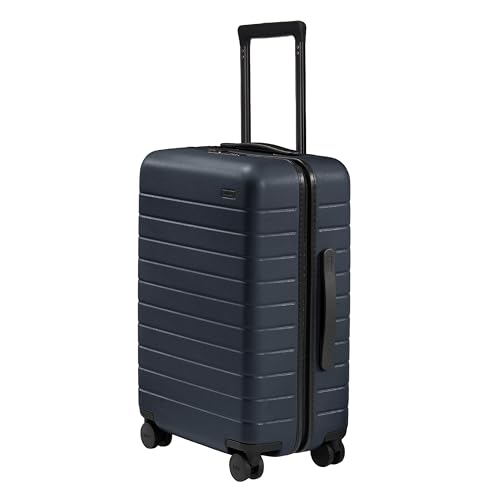
Tumi sells carry-on bags in several families, most often a hard-sided polycarbonate-based shell, a softer ballistic nylon construction, and lighter weekender-style designs. The brand’s best-known carry-ons typically use four-wheel spinner bases, which allow the bag to roll in any direction and make tight airport corridors easier to manage than a two-wheel design. Most models include a telescoping aluminum handle, an interior divider system, a padded laptop sleeve and external pockets for quick-access items.
Tumi positions its carry-ons as business travel tools. The silhouettes are restrained, the hardware is finished to a high standard and the colors lean toward black, graphite, navy and other conservative tones. Owners who fly weekly often say the bags hold up to daily wear, and the brand’s warranty coverage is a frequent point of praise in owner discussions. Specific warranty terms vary by model and by region, so check the current policy on the Tumi website before buying.
Because Tumi produces many variants, the exact dimensions, weight and feature list depend on which line you choose. The information below reflects common specifications for its carry-on categories and should be confirmed against the listing for the specific model you are considering.
Key Features & Specifications
| Feature | What to Expect on a Typical Tumi Carry-On |
|---|---|
| Exterior shell | Hard-sided polycarbonate-blend or ballistic nylon, depending on the line |
| Wheel configuration | Four spinner wheels on most hard-shell models |
| Handle | Telescoping aluminum trolley handle with one or more height settings |
| Carry-on fit | Designed for the standard overhead bin; always verify with your airline’s current limits |
| Interior organization | Compression straps, removable dividers and a padded laptop compartment on many models |
| Exterior pockets | Front zip pocket and organizer pockets on select designs |
| Locking | Zippers that accept a TSA-approved lock on most models |
| Warranty | Brand warranty; coverage terms vary by product line and should be checked directly |
Before you buy, measure the bag in its fully packed state with the handle retracted and compare it to your airline’s stated maximum dimensions. Many carriers publish limits in inches, and some Tumi models sit close to the upper edge of common allowances. Our guide on How to Choose Carry-On Luggage: Size Limits, Weight and Wheels walks through how to read those numbers and avoid a gate-check surprise.
Pros & Cons
Pros
- Strong reputation for build quality and finish, with owners frequently describing the shell and hardware as durable under regular airport use.
- Four-wheel spinner bases are commonly reported to maneuver easily through crowded terminals and tight aisles.
- Interior organization is thoughtful, especially for travelers who carry a laptop, toiletries and work files together.
- Brand warranty and customer service are a common reason owners cite for choosing Tumi over lower-cost competitors.
- Conservative styling suits business trips and does not look out of place in a conference room or client office.
Cons
- Premium positioning means the bag sits at the higher end of the market, which may not suit occasional travelers.
- Hard-shell designs offer little give, so a full bag can be harder to squeeze into a tight bin than a soft-sided alternative.
- Weight varies by model, and some hard-shell carry-ons can feel heavy once packed, leaving less of your personal allowance for the bag’s own weight if you fly a carrier with strict limits.
- Exterior surfaces on some lighter nylon designs may show scuffs more readily than polished hard-shell finishes.
- Replacement parts and repairs are most convenient in areas with an official Tumi service presence.
Performance Analysis
Performance for a carry-on comes down to four things: whether it fits the bin, how easily it rolls, how well it protects contents and how practical its interior is over a long trip. Tumi’s spinner models generally score well on rolling ease in owner discussions, particularly on smooth airport floors. Four-wheel designs tend to track straight when you let go of the handle, which many travelers prefer over two-wheel bags that can tip or drag when pulled at an angle.
Protection depends on the shell. Hard-sided polycarbonate-blend bags generally resist cracks and punctures better than soft fabric, and they keep their shape when stacked. Ballistic nylon designs are abrasion-resistant and flex slightly, which helps when a bag is squeezed into a tight bin, but they can be more prone to surface scuffing. In both cases, the internal compression straps and dividers do most of the work of keeping clothing and electronics from shifting.
Capacity is where many buyers should look most carefully. A carry-on that is advertised as generous in volume may still be limited by the dimensions the airline measures, not by the number printed on the product page. Owners who pack for multi-day business trips often report that the interior layout is efficient, but packing density depends on your habits. If you regularly fill a bag to the maximum, test the closing system and wheels with a full load before you travel. For a broader comparison of hard materials and their trade-offs, see Polycarbonate, ABS, Polypropylene or Aluminum: Hard-Shell Luggage Materials.
Who Should Buy This Product?
A Tumi carry-on suits frequent flyers, consultants, sales professionals and executives who fly several times a month and want a bag that looks appropriate in any setting. It also suits travelers who value brand support and expect to keep a bag for many years, since a durable hard shell and a strong warranty can justify a higher initial outlay over time. If you want a bag that works well in both airports and boardrooms, the conservative styling is a clear advantage.
You should probably skip it if you fly only once or twice a year, if you are primarily shopping for a bag to use on a single trip or if you rely heavily on budget carriers that charge for every bag. In those cases, a lighter and less expensive option may serve you better. Travelers who want maximum flexibility in fit might also prefer a soft-sided bag that can compress slightly in a tight bin, a trade-off covered in Soft-Side Luggage: Fabrics, Expansion and Pockets.
Buying Guide
Start with your airline’s current carry-on dimensions and weight limits, since these change and differ by carrier. Measure the bag including wheels and handle, and check whether the listed size refers to the outer shell or the total external dimensions. Then decide between a spinner and a two-wheel design. Spinners are generally easier to steer through terminals, while two-wheel bags can be sturdier on rough surfaces and sometimes lighter. The comparison in Spinner vs Two-Wheel Luggage: Which Rolls Better for Your Trips? covers the practical differences.
Next, weigh the bag empty. A heavier shell adds weight before you pack a single item, so compare the empty weights of similar models. Look at interior organization: a laptop sleeve, a dedicated shoe or toiletry area and compression straps make a real difference on multi-day trips. Check the lock compatibility if you plan to use a TSA-approved lock; the details in TSA Luggage Locks Explained: What They Do and Do Not Do explain what those locks do and do not protect against.
Finally, compare alternatives. If you want a similar premium feel from a different brand, consider the Samsonite Winfield 3 Hardside Spinner, which is widely available and often recommended for its shell and wheel system. The Away The Carry-On is a popular choice among travelers who prefer a polycarbonate shell with a built-in charging option and a sleek profile. For a softer, more flexible option, the Briggs & Riley Baseline Carry-On Spinner is frequently cited by owners who value lightweight construction and repairability. Each of these has its own strengths, so compare dimensions, weight and warranty side by side before committing.
Shop the alternatives here: View on Amazon, View on Amazon, View on Amazon.
FAQ
Is a Tumi carry-on allowed on most airlines?
Most Tumi carry-on models are designed to fit common overhead bin dimensions, but airlines set their own limits, and those limits can change. Check the exact measurements of the model you are considering and compare them to your airline’s current published maximums before you book.
Are Tumi carry-on bags heavy?
Weight depends on the line. Hard-shell polycarbonate-blend models can be heavier than soft-sided alternatives, while lighter nylon designs weigh less when empty. Compare the empty weight of specific models, since that number directly affects how much you can pack within a weight limit.
Does Tumi offer a warranty?
Tumi provides a warranty on its products, and owners frequently mention the brand’s support as a reason for choosing it. Coverage terms vary by product and region, so review the current warranty documentation on the official site before purchase.
Is a Tumi carry-on worth the investment for occasional travel?
For occasional travelers, the premium price may be harder to justify than for frequent flyers who will use the bag heavily. If you travel only a few times a year, a less expensive carry-on may deliver similar practical value.
Can I use a TSA-approved lock on a Tumi carry-on?
Most Tumi models include zippers that accept TSA-approved locks, which allow security screeners to open the bag with a master key without breaking the lock. Confirm the lock compatibility on the specific model you choose.
Do Tumi carry-ons have a laptop compartment?
Many Tumi carry-on designs include a padded laptop sleeve, though layouts differ by model. Check the product’s interior description to confirm the size of the laptop compartment and whether it fits your device.
How do I know which Tumi carry-on size to buy?
Start with your airline’s maximum dimensions and choose a model that fits within them when measured with wheels and handle. Consider whether you need extra interior space for longer trips, and remember that a larger bag may be harder to fit in tight bins on regional jets.
Final Verdict
A Tumi carry-on is a strong choice for frequent business travelers who want a durable, well-organized bag with a polished look and a respected brand behind it. Its spinner wheels, thoughtful interior and warranty support make it a long-term investment for those who fly often. Occasional travelers and budget-focused flyers will likely find better value elsewhere. Confirm dimensions, empty weight and warranty terms before you buy, and compare the alternatives above to find the best match for how you travel.
Ready to look at the model? View on Amazon
About Emily Parker
Emily Parker is part of our editorial team and reviews and edits our luggage & travel tech guides, checking product details against manufacturer specifications and owner feedback.