By Emily Parker
Updated November 2026
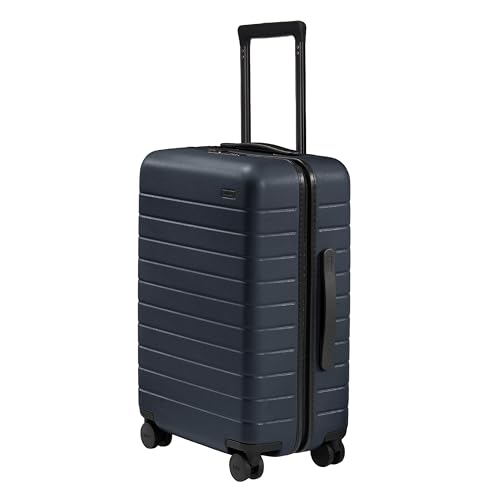
The Samsonite Paralux hardside expandable spinner luggage line is built for travelers who want a shell that protects contents, rolls smoothly, and can grow when a trip calls for extra room. This guide walks you through how to decide whether the Paralux fits your travel habits, how to choose the right size, how to check whether it meets airline limits, and how to use the expansion feature without damaging the zippers or the shell. By the end, you should be able to pick the correct piece and avoid the most common mistakes owners run into.
What Defines the Samsonite Paralux Hardside Expandable Spinner Luggage
Hardside spinner luggage uses a rigid outer shell, usually polycarbonate or a polypropylene blend, with four or two multi-directional wheels mounted in the base. The “expandable” part refers to a zippered gusset that adds depth, typically a few inches, when you unzip the expansion panel. The “spinner” label means the wheels rotate 360 degrees so the bag can be pushed or pulled in any direction without tipping.
Before buying, confirm the exact configuration you are looking at. Samsonite sells the Paralux in several sizes and in both expandable and non-expandable versions, so the product listing and the printed specifications on the tag matter more than the product name alone. Look for the listed external dimensions, the capacity in liters, and whether the expansion is described as “+2 inches” or similar.
Key Specifications to Verify
- External dimensions, height by width by depth, with the expansion zipper closed
- Expanded depth, if the model is expandable
- Stated capacity in liters
- Empty weight, which affects how much you can pack before hitting weight limits
- Wheel type and count (four spinners are standard on most current hardside models)
- Handle type: telescoping handle length and number of positions
Step 1: Choose the Right Size for Your Trip
Sizing is the decision that causes the most returns. A carry-on that fits overhead bins on one airline may not fit on another, and a checked bag that feels fine in the store can become awkward once it is packed to the weight limit. Start by listing your typical trip length and the type of travel you do.
- Count the number of days you usually travel and the number of outfits you bring.
- Check whether you fly with a carry-on only, or whether you check a bag on most trips.
- Compare the Paralux external dimensions against the carry-on limits of the airlines you use most. Most major US carriers use a limit near 22 by 14 by 9 inches for carry-ons, but policies vary and change, so check the airline’s current published size guidance.
- If you plan to check a bag, confirm the checked-bag size and weight limits for your airline and fare class.
When the Expandable Feature Helps
Expansion is useful when you tend to come home with more than you left with, or when you pack for variable conditions such as a winter trip that needs bulky layers. It is less useful if you always pack to the limit of a carry-on, because expanding past the limit can get you stopped at the gate. Many travelers use the expansion only on the return leg.
Step 2: Evaluate the Shell, Zippers, and Wheels
The shell is the main selling point of any hardside bag, but the zippers and wheels are where wear usually shows first. When you inspect a Paralux or any similar model, focus on these areas.
Checking the Shell
Run your hand along the shell seams and corners. The shell should feel continuous, without gaps where the halves meet. Flex the shell gently to make sure the material returns to its shape. Polycarbonate tends to be stiffer and more impact-resistant but can show scuffs; polypropylene blends flex more and resist cracking under pressure.
Testing the Zippers
Open and close the main zipper and the expansion zipper several times. Both should run smoothly without snagging. If the expansion zipper binds, do not force it, since a stuck zipper can split fabric or the seam beside it.
Inspecting the Wheels and Handle
Spin each wheel and check that it rotates freely. Extend and collapse the telescoping handle fully. Wobble or catching on the handle usually means a loose fitting, which is worth addressing before you travel.
Step 3: Use the Expansion Feature Correctly
Expanding a hardside bag is simple, but doing it wrong can strain the seams. Follow the manufacturer’s directions in the owner’s manual, and keep these general practices in mind.
- Empty the bag enough that the expansion panel can unfold without pushing against packed items.
- Unzip the expansion zipper fully and gently pull the panel outward until it sits flat.
- Pack evenly. Place heavier items low and near the wheels, and keep fragile items away from the expansion panel’s edges.
- Close the expansion zipper only after confirming the bag closes without forcing.
- Compress the bag only as far as the expansion allows. Overstuffing puts stress on the zipper track.
Step 4: Pack for Weight and Balance
A packed hardside bag can get heavy quickly. Most owners find that the empty weight plus a full load can approach or exceed carry-on weight preferences and checked-bag limits. Weigh the bag on a bathroom or luggage scale before leaving home.
| Packing Zone | What Goes There | Why |
|---|---|---|
| Bottom, against the wheel base | Shoes, toiletry bag, heavy electronics | Keeps the center of gravity low so the bag rolls steadily |
| Middle | Folded shirts and pants | Limits wrinkling while spreading weight evenly |
| Top, under the lid | Lightweight items, pajamas, chargers | Easy access at security and hotel check-in |
| Expansion side | Soft goods and extra layers | Uses the extra room without loading the zipper edges |
Step 5: Confirm Airline Compliance
Airline size and weight rules are set by each carrier, and they change. Before a trip, check the carrier’s current website for carry-on dimensions, personal item rules, and checked-bag fees. Measure the bag with the expansion closed, and remember that a bag that is expanded at the gate may be measured differently. Many travelers avoid the issue by expanding only after reaching their destination, or by keeping a packing margin of an inch or two below the published limit.
Common Mistakes to Avoid
- Buying by name alone without checking whether the exact listing is expandable.
- Assuming the expanded size will pass as a carry-on.
- Forcing the expansion zipper when it sticks instead of checking for a snagged fabric edge.
- Packing to the limit and ignoring the added weight of wheels and handle.
- Skipping a wheel and handle check before the first trip.
- Storing the bag fully compressed for long periods, which can strain seams and the expansion panel.
Tips for Longer Life
- Store the bag with the expansion closed and the handle retracted.
- Wipe the shell with a damp cloth and mild soap, then dry it completely.
- Lubricate zippers occasionally with a dry silicone-based product made for zippers, not oil-based lubricants that can attract dirt.
- Keep the luggage away from prolonged direct sun, which can fade the shell over time.
Recommended gear
A few accessories make a Paralux trip easier and help protect the bag.
- Portable luggage scale: A digital hanging scale lets you confirm weight before you reach the airport counter. View on Amazon
- Luggage tag with privacy cover: Clear identification helps if the bag is misrouted, and a cover keeps personal details private. View on Amazon
- Silicone zipper lubricant: A dry, silicone-based formula can keep zippers running smoothly without attracting grit. View on Amazon
- Packing cubes: Cubes organize contents and make it easier to balance weight across the bag. View on Amazon
Related Reading
If you are comparing the Paralux with other options, these guides may help. Our review of the Samsonite Omni PC Hardside Expandable Luggage Review: Is It Worth It? covers another expandable hardside line from the same brand. For a broader look at the category, see 6 Best Expandable Hardside Spinner Luggage Sets of 2026. If you are weighing rigid shells against fabric, Soft Side Luggage vs Hardside: Which Should You Choose? explains the trade-offs. Readers who want a closer look at sizing across the Samsonite range can read Samsonite Hardside Luggage Set: How to Choose the Right One (2026), and Spinner vs Two-Wheel Luggage: Which Rolls Better for Your Trips? compares wheel styles.
FAQ
Is the Samsonite Paralux hardside expandable spinner luggage good for carry-on use?
It can be, provided the closed, unexpanded dimensions fall within the carry-on limits of your airline. Check the current published size for your carrier before you fly, and avoid expanding the bag at the gate.
How much does expansion add to the depth?
Expansion depth varies by size and model. Check the product specifications for the stated expanded depth, since the figure is typically given in inches and differs across the line.
Does a hardside bag crack easily?
Modern hardside shells are designed to flex and absorb impact, but they can still scuff, dent, or crack under heavy or sharp impacts. Owners often report that scuffs are cosmetic, while cracks usually come from rough handling in baggage systems.
Can I overpack an expandable bag?
You can, but overpacking strains the zipper track, the expansion panel, and the wheel mounts. Pack within the manufacturer’s recommended capacity and check weight before leaving home.
How do I clean a hardside shell?
Wipe it with a damp cloth and a mild soap solution, rinse with a clean damp cloth, and dry thoroughly. Avoid harsh solvents, which can dull or damage the finish.
Should I use a luggage lock?
A lock can deter casual opportunists, but airport security may need to open the bag for inspection. TSA-approved locks are designed to be opened with a master key by screeners, and you should check current TSA guidance before using one.
What should I do if a wheel or handle breaks?
Contact Samsonite customer service or check the warranty terms printed with your purchase. Repair options and coverage depend on the warranty and where the bag was bought, so review those terms directly.
Conclusion
The Samsonite Paralux hardside expandable spinner luggage can be a practical choice when you want a protective shell and room to grow. Confirm the exact model and dimensions, check the expansion feature, and test the zippers, wheels, and handle before your first trip. Measure against your airline’s current limits, pack for balance, and keep the bag stored with the expansion closed to extend its life.
Related reading
- Samsonite Ziplite 6 Hardside Spinner Luggage Review: Pros and Cons
- Samsonite Outline Pro Hardside Spinner Luggage: Size, Features and Buying Tips
Ready to choose one?
About Emily Parker
Emily Parker is part of our editorial team and reviews and edits our luggage & travel tech guides, checking product details against manufacturer specifications and owner feedback.