By Emily Parker
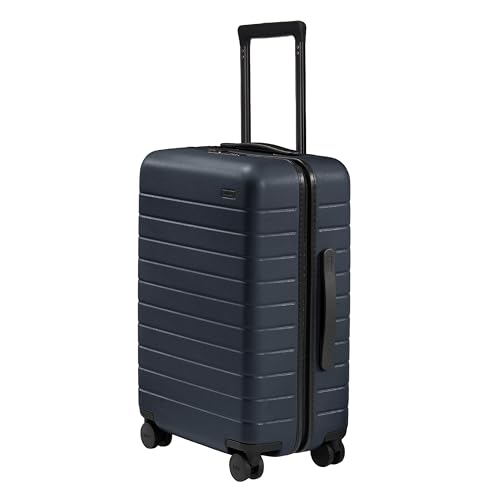
Soft side luggage vs hardside is one of the first decisions most travelers face when shopping for a new suitcase, and the answer depends mostly on how you travel. Soft-sided bags usually win on flexibility, expansion and pocket organization, while hardside cases win on impact protection, water resistance and how well they keep their shape. If you pack tightly for short trips and want to squeeze in a few extra items, soft-sided is typically the better fit. If you check bags often on connecting flights or carry fragile items, hardside usually makes more sense.
Soft Side vs Hardside at a Glance
The table below summarizes the main differences. Figures are typical ranges reported across common models, so check the specifications of any specific bag before you buy.
| Criterion | Soft Side Luggage | Hardside Luggage |
|---|---|---|
| Typical shell material | Ballistic nylon, polyester, nylon blends | Polycarbonate, ABS, polypropylene, aluminum |
| Weight (carry-on size) | Often around 5 to 7 pounds | Often around 6 to 8.5 pounds |
| Expansion | Common, often adding 1 to 2 inches of depth | Rare, and usually limited if present |
| Impact protection | Limited; relies on padding and frame | Strong; the shell absorbs and spreads impact |
| Water resistance | Varies; coated fabrics shed light rain | High; sealed shells resist moisture well |
| Exterior pockets | Many, including front and side pockets | Few or none |
| Packing flexibility | High; the shell compresses under pressure | Low; fixed shape limits packing |
| Shape retention | Can bulge when overstuffed | Holds its shape consistently |
| Scratch and scuff visibility | Abrasion shows on fabric | Surface scuffs show, but many finishes hide them |
Weight: Hardside Is Heavier, but the Gap Is Shrinking
For years, soft-sided luggage held a clear weight advantage, and it still does in many categories. A carry-on soft-sided bag often comes in noticeably lighter than a comparable hardside case, and that difference adds up when you lift a bag into an overhead bin or haul it through a long terminal. Owners often report that a lighter empty bag leaves more room in your weight allowance for the things you actually want to bring.
The gap has narrowed, though. Modern polycarbonate shells are thinner and more efficient than older designs, and some hardside cases now land close to soft-sided weights. Some lightweight shell models also use polypropylene, which is a common reason they weigh less than polycarbonate.
Winner: Soft side. It is still the lighter choice in most size categories, which matters most on trips with tight baggage limits.
Durability: Hardside Wins Against Impacts
Durability means different things for different bags. Hardside luggage shines when a bag gets dropped on a concrete floor, shoved against a conveyor edge or stacked under heavy items. The rigid shell spreads force across the surface instead of letting it concentrate on one spot. Polycarbonate is known for flexing under impact rather than cracking, which is one reason it appears in so many hardside designs. The material type you choose matters, and the differences between polycarbonate, ABS and polypropylene are worth understanding before you buy. You can read more in Polycarbonate, ABS, Polypropylene or Aluminum: Hard-Shell Luggage Materials.
Soft-sided bags have a different kind of durability. Ballistic nylon and high-denier polyester resist abrasion, and they tend to survive being dragged across rough pavement without cracking. A soft bag that takes a hard hit usually absorbs it through padding and frame, so it may look fine even when the contents feel the impact. The weak points are zippers, handles and wheel housings, and these are where soft-sided bags more often fail over time.
Winner: Hardside for impact resistance. Soft side for abrasion resistance. If your main worry is a dropped bag, hardside is safer. If your main worry is wear from rough handling, a well-built soft bag can hold up well.
Expansion and Packing Flexibility: Soft Side Wins
This is where soft-sided luggage pulls clearly ahead. Most soft-sided carry-ons include an expansion zipper that adds roughly one to two inches of depth, which can be enough to fit a jacket or a few extra shirts on a longer trip. Because the fabric compresses, you can also squeeze clothes into odd gaps and shape the bag around awkward items.
Hardside cases are built to a fixed internal volume, and most lack a true expansion feature. Some models include a small expansion panel, but the added space is usually modest. Packing in a hardside case works best when you use packing cubes or compression straps to keep items organized, because the shell will not give under pressure.
Winner: Soft side. Expansion and the ability to compress items make it the more flexible option for people who tend to overpack.
Water Resistance and Weather Protection: Hardside Wins
Hardside shells are typically sealed, so rain that lands on the outside tends to run off rather than soak through. Water can still find its way in around zippers or seams on some models, but the shell itself is an effective barrier. This makes hardside a good choice for trips to rainy destinations or for anyone who worries about cargo holds and wet tarmac.
Soft-sided luggage varies a lot. Many use coated nylon or polyester that resists light rain well, but heavy or prolonged wetness can seep through seams and zippers. Some owners add a luggage cover or a waterproof liner to improve protection. For a broader comparison of bag styles and how they handle the elements, see Travel Backpack vs Suitcase: Which Fits Your Trip?.
Winner: Hardside. The sealed shell gives it a clear advantage in wet conditions.
Security and Organization: Soft Side Wins on Pockets
Soft-sided bags usually have more exterior pockets, which helps with fast access to passports, chargers, snacks and boarding documents. Many include a front organizer panel, side pockets and a laptop sleeve. This layout suits travelers who like to keep essentials within reach without opening the main compartment.
Hardside luggage tends to have fewer external pockets, and the interior is often a single open space with a divider or two. Security is a different matter. Hardside shells are harder to slash or pry open than fabric, and many models include a lockable zipper or a built-in latch system. Keep in mind that a standard lock does not stop a determined thief, and TSA-approved locks serve a specific purpose. If you plan to use one, understand what it does and does not do. Our guide to TSA Luggage Locks Explained: What They Do and Do Not Do covers that in detail.
Winner: Soft side for organization. Hardside for resistance to tampering.
Shape, Appearance and Long-Term Wear
Hardside luggage holds its shape reliably, which gives it a neat look in overhead bins and makes it easy to stack. Soft-sided bags can bulge when they are overfilled, and an overpacked soft bag may not fit a sizing box as neatly. On the other hand, hardside shells show scuffs and scratches, and some owners find those marks more noticeable than the wear on fabric. Matte finishes and textured shells tend to hide scuffs better than glossy ones.
Over time, soft-sided luggage can show fraying on corners, pilling on the surface, or worn zipper pulls. Hardside shells can develop cracks at stress points or lose their finish, though many owners report that the shell itself lasts a long time with normal use.
Winner: Hardside for shape and a consistent look. Soft side for hiding wear in some colors. Both can age well, so choose based on the finish you prefer.
Which Should You Choose?
Use these scenarios to narrow your choice.
- Choose soft side if you pack a lot and want expansion for souvenirs or a heavier coat.
- Choose soft side if you are close to a weight limit and every ounce counts.
- Choose soft side if you like external pockets for quick access to travel documents and electronics.
- Choose hardside if you check bags often or travel with fragile items.
- Choose hardside if you visit rainy or humid destinations and want stronger water resistance.
- Choose hardside if you want a bag that keeps its shape in tight overhead bins.
- Choose hardside if you prefer a sleek look and easy wipe-down cleaning.
If you are shopping for a carry-on specifically, the size rules matter as much as the material. Before you commit, compare dimensions against your airline’s limits. Our overview of Smallest Carry On Luggage: 7 Best Compact Picks for Tight Airline Limits (2026) can help if you fly budget carriers with strict sizing.
Recommended Options in Each Category
Soft-sided options worth looking at include the Samsonite Freeform Carry-On, which many shoppers consider for its structured soft shell and organized interior. You can see more about its fit and layout in Samsonite Freeform Carry-On Luggage: 7 Best Picks Compared (2026). View on Amazon
For a soft option that pairs well with a long list of pockets, consider the Travelpro MaxLite 5 Carry-On. View on Amazon Our detailed look at its performance is in Travelpro MaxLite 5 Carry On Luggage Review: Features and Performance.
Hardside options include the Samsonite Carry-On hardside shell line, which many owners cite for its scratch-resistant finish and solid protection. View on Amazon For a more premium polycarbonate design, the Rimowa Essential Carry-On is often mentioned in hardside shopping lists. View on Amazon You can compare hardside models in 9 Best Carry On Luggage Hardsides Compared for Frequent Flyers (2026).
Whichever style you pick, check the specifications for the exact size and weight of the model you are considering, since these can vary between sizes and colors.
FAQ
Is soft side luggage less durable than hardside?
Not necessarily. Soft-sided bags resist abrasion well and recover from some impacts, but hardside shells handle direct hits and drops better. Durability depends on build quality and how you handle the bag.
Does hardside luggage weigh more than soft side?
In most comparable sizes, yes. The gap has narrowed with newer lightweight shell materials, but soft-sided carry-ons still tend to be lighter.
Can soft side luggage be waterproof?
Some fabrics are highly water-resistant, but few soft bags are fully waterproof, especially at zippers and seams. A rain cover or liner adds protection if you expect wet conditions.
Which is better for airline carry-on limits?
Soft-sided luggage is often the better fit for tight limits because it is lighter and can compress slightly to fit a sizer. Always measure the bag with handles and wheels included before you fly.
Is hardside luggage harder to pack?
It can be, since the shell does not compress. Packing cubes and compression straps help you organize the space and get the most out of a fixed-volume case.
Conclusion
Soft side luggage vs hardside comes down to priorities. Soft-sided bags offer lighter weight, expansion and more pockets, which suits frequent packers and budget-minded flyers. Hardside cases offer stronger impact protection, better water resistance and a consistent shape, which suits travelers who check bags or head into unpredictable weather. Many people find that either style works well once the bag matches their trip pattern, so start with your most common travel scenario and choose from there.
About Emily Parker
Emily Parker is part of our editorial team and reviews and edits our luggage & travel tech guides, checking product details against manufacturer specifications and owner feedback.