By Emily Parker
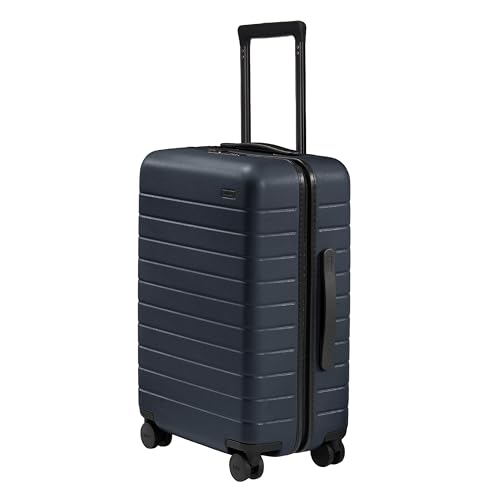
If you are shopping for a monos carry on luggage option, you are likely weighing a hard-shell suitcase built for short trips, business travel and frequent flyers who want a clean, modern look. This review is research-based: it draws on manufacturer specifications and patterns that owners commonly describe, not on hands-on testing. The Monos line is generally aimed at people who value a streamlined shell, a compact footprint and a sensible interior over maximum packing volume or rugged expedition features. It is a good fit for travelers who pack light, stay within airline carry-on limits and want a suitcase that looks polished in the overhead bin. It is a weaker choice for people who regularly pack bulky items, need a large checked bag, or expect heavy abuse from baggage handling. Read on for the specs, trade-offs and a buying framework you can apply to any carry-on.
Product Overview
Monos is a direct-to-consumer luggage brand that markets a range of hard-shell and soft-side cases with a minimalist design language. Its carry-on models are the most popular entry point, typically sold in a small number of finishes and built around a single-shell exterior with four spinner wheels. The brand emphasizes clean lines, a tidy interior layout and a compact external profile. Because the company sells mainly online, shoppers should check the listing carefully for the exact dimensions, weight and warranty terms of the specific size they are considering, since these details can differ between variants and product generations.
In practice, a monos carry on luggage bag is best understood as a personal-travel and short-trip case. Its interior is organized for everyday essentials rather than for packing cubes-plus-accessories setups, and its exterior is designed to slide easily through airport security lines and into overhead compartments. If you want a deeper understanding of how these categories compare, the guide How to Choose Carry-On Luggage: Size Limits, Weight and Wheels walks through the size and weight criteria that matter most for flying.
Key Features & Specifications
The table below lists the characteristics that manufacturers commonly publish for this type of hard-shell carry-on. Always confirm the figures on the specific listing you are considering, as dimensions and weights vary by size and production run.
| Feature | What to Look For |
|---|---|
| Shell type | Hard-shell exterior, typically a single molded panel |
| Wheel system | Four multi-directional spinner wheels |
| Carry-on dimensions | Check the listing; most major US airlines cap carry-ons near 22 x 14 x 9 inches including wheels and handles |
| Empty weight | Confirm on the product page; lighter shells help you stay under weight limits |
| Handle | Telescoping trolley handle with a top carry grip |
| Interior | Main compartment with compression straps and a divider or zippered pocket |
| Closure | Zippered opening; check whether a TSA-recognized lock is included or must be purchased separately |
| Warranty | Review the brand’s stated coverage period and what it excludes |
When you compare the spec sheet to your own needs, focus on three numbers: exterior dimensions, empty weight and wheel type. Exterior dimensions tell you whether the case fits your airline’s size rules. Empty weight matters when you fly budget carriers that charge for overweight bags or when you want to keep total weight low for a long day of walking. For a fuller picture of how these numbers interact, see Lightweight Luggage: How Light Is Light and What You Give Up.
Pros & Cons
Pros
- A clean, streamlined look that many travelers find appealing for business trips.
- Hard shell helps protect contents from compression in crowded overhead bins.
- Four spinner wheels generally make it easier to maneuver through terminals than two-wheel designs.
- A compact external profile suits travelers who need to stay within strict carry-on limits.
- Interior layout suits a short-trip capsule wardrobe without needing extra organizers.
Cons
- Limited interior volume compared with larger carry-ons or expandable models.
- Hard shells can show scuffs over time, which some owners dislike.
- Interior organization is minimal, so heavy packers may want to add their own packing cubes.
- Owners who need a wider range of sizes or a checked-bag option may find the lineup narrower than larger competitors.
- Lock and accessory options may need to be purchased separately, so check what comes in the box.
Performance Analysis
Performance for a case like this comes down to four things: how it rolls, how well it protects contents, how much it holds and how it handles airline rules. Owner feedback patterns for this type of hard-shell carry-on tend to cluster around the same themes, though individual experiences vary.
Maneuverability. Four spinner wheels generally track straight and turn easily on smooth airport floors. Owners often report that they are less stable on rough pavement or thick carpet, where two-wheel designs can feel steadier when pulled. If you walk long distances through terminals, the spinner format is usually the more comfortable choice. For a comparison of wheel systems, read Spinner vs Two-Wheel Luggage: Which Rolls Better for Your Trips?.
Protection. A hard shell resists crushing better than a soft-side bag, which matters when your case is stacked or squeezed into a tight bin. The trade-off is that a single rigid panel can crack under a hard impact, and surface finishes can scratch. Owners who prioritize pristine looks sometimes find scuffs more noticeable than they expected. Learn more about material trade-offs in Polycarbonate, ABS, Polypropylene or Aluminum: Hard-Shell Luggage Materials.
Capacity. A carry-on of this size is built for roughly a long weekend to a week of clothing if you pack efficiently. Heavy winter wear, multiple pairs of shoes or bulky toiletries will push the limit quickly. Packing cubes help compress soft items and make the interior easier to organize.
Airline compliance. Because the external dimensions are designed to fit typical carry-on limits, the case is generally suitable for domestic US flights. Always measure the bag with wheels and handles retracted, and check your specific airline’s current rules, since limits and enforcement differ by carrier and can change.
Overall, the case appears to perform best for travelers who pack light, value a tidy exterior and fly mostly with carry-on-only itineraries. It is less suited to people who need maximum packing space or who check their bags regularly on rough-handling routes.
Who Should Buy This Product?
Good fit:
- Business travelers on two- to five-day trips who want a polished look.
- Frequent flyers who prioritize staying within carry-on limits and avoiding checked-bag fees.
- Minimalist packers who are comfortable with a compact interior.
- Travelers who want a hard shell for extra protection of electronics and fragile items.
Probably skip it:
- Families or travelers who need to pack for trips longer than a week in one carry-on.
- People who want an expandable case with significant extra capacity.
- Shoppers who need a checked-size suitcase or a wide range of sizes in one line.
- Anyone who wants a rugged, scuff-resistant case for rough handling.
Buying Guide
Before you buy any hard-shell carry-on, including a monos carry on luggage model, work through the following steps.
- Measure against your airline. Check the published carry-on dimensions for the carriers you fly most. Measure your candidate bag with wheels and handles down, and leave a small margin for variance.
- Weigh it empty. If you fly budget airlines, a lighter empty weight leaves more room for your belongings under their weight thresholds.
- Decide on expansion. If you sometimes pack for a longer trip, look for a model with an expansion zipper. If you always pack light, a fixed-size shell may be simpler.
- Check the wheels. Four spinners are easier for long walks through terminals; two-wheel designs can be steadier on rough surfaces. See Best Spinner Luggage for spinner-focused options.
- Plan your lock. Confirm whether a TSA-recognized lock is included. The guide TSA Luggage Locks Explained: What They Do and Do Not Do covers what these locks do and do not protect against.
- Read the warranty. Note the coverage length, what is excluded and how claims are handled.
If the Monos profile does not match your needs, consider these well-known alternatives, each widely sold and easy to compare:
- Samsonite Winfield 3 DLX Spinner — a longer-established hard-shell option with a broad range of sizes and a well-known warranty program. View on Amazon
- Travelpro Maxlite 5 Carry-On — a lightweight, expandable carry-on designed with a focus on weight and organization. View on Amazon
- Away The Carry-On — a hard-shell carry-on with a USB charging port and a strong design-forward following. View on Amazon
For a wider view of what to compare across brands, see Best Hard-Shell Luggage and Best Carry-On Luggage.
FAQ
Does a monos carry on luggage bag fit most airline carry-on size limits?
Many hard-shell carry-ons in this category are designed to approximate common US carry-on dimensions, but fit depends on the exact size you buy and on your airline’s current rules. Measure the bag with wheels and handles retracted and compare it against the carrier’s published limits before you fly.
Is the hard shell more durable than a soft-side bag?
A hard shell generally resists crushing and protects contents from pressure better than most soft-side fabrics. It can crack under sharp impacts and may show scuffs over time, so durability depends on how you travel and how you handle the case.
Are the wheels good for uneven surfaces?
Four spinner wheels roll easily on smooth airport floors and turn well in tight spaces. Owners often note that they feel less stable on rough pavement or thick carpet, where two-wheel designs may track more steadily.
How much can I pack in a carry-on of this size?
For most people, a case of this size comfortably holds several days of clothing if you pack efficiently. Bulky winter gear or many pairs of shoes will reduce the space available quickly, so packing cubes and rolling techniques help.
Is a lock included?
Lock inclusion varies by listing and model. Check the product description before buying, and if a lock is not included, consider a TSA-recognized option sold separately.
Can I use this bag for a checked flight?
Carry-on models are sized for overhead bins, not for checked-bag allowances. If you need a checked suitcase, look for a larger size in the same line or choose a different brand’s checked-size model.
Is this suitable for international trips?
Yes, for short international trips where you fly with carry-on only, provided the bag meets the airline’s size and weight rules. For longer trips, review the guide Choosing Luggage for International Flights for additional considerations.
What should I check before buying?
Confirm exact dimensions, empty weight, included accessories, warranty terms and the finish you want. Compare these details against the airlines you fly most often.
Final Verdict
A monos carry on luggage case is a sensible choice for travelers who want a clean, hard-shell carry-on for short trips and who value a compact, polished look. Its strengths are a streamlined exterior, a protective shell and a layout suited to minimalist packing. Its limits are interior capacity, a narrower range of sizes than larger brands and the tendency of hard shells to show wear. If your trips are short, your packing is disciplined and you fly carry-on only, it is worth a close look. If you need expandable space, a checked option or a rugged case for rough handling, compare it against the alternatives above before you commit. View on Amazon
About Emily Parker
Emily Parker is part of our editorial team and reviews and edits our luggage & travel tech guides, checking product details against manufacturer specifications and owner feedback.