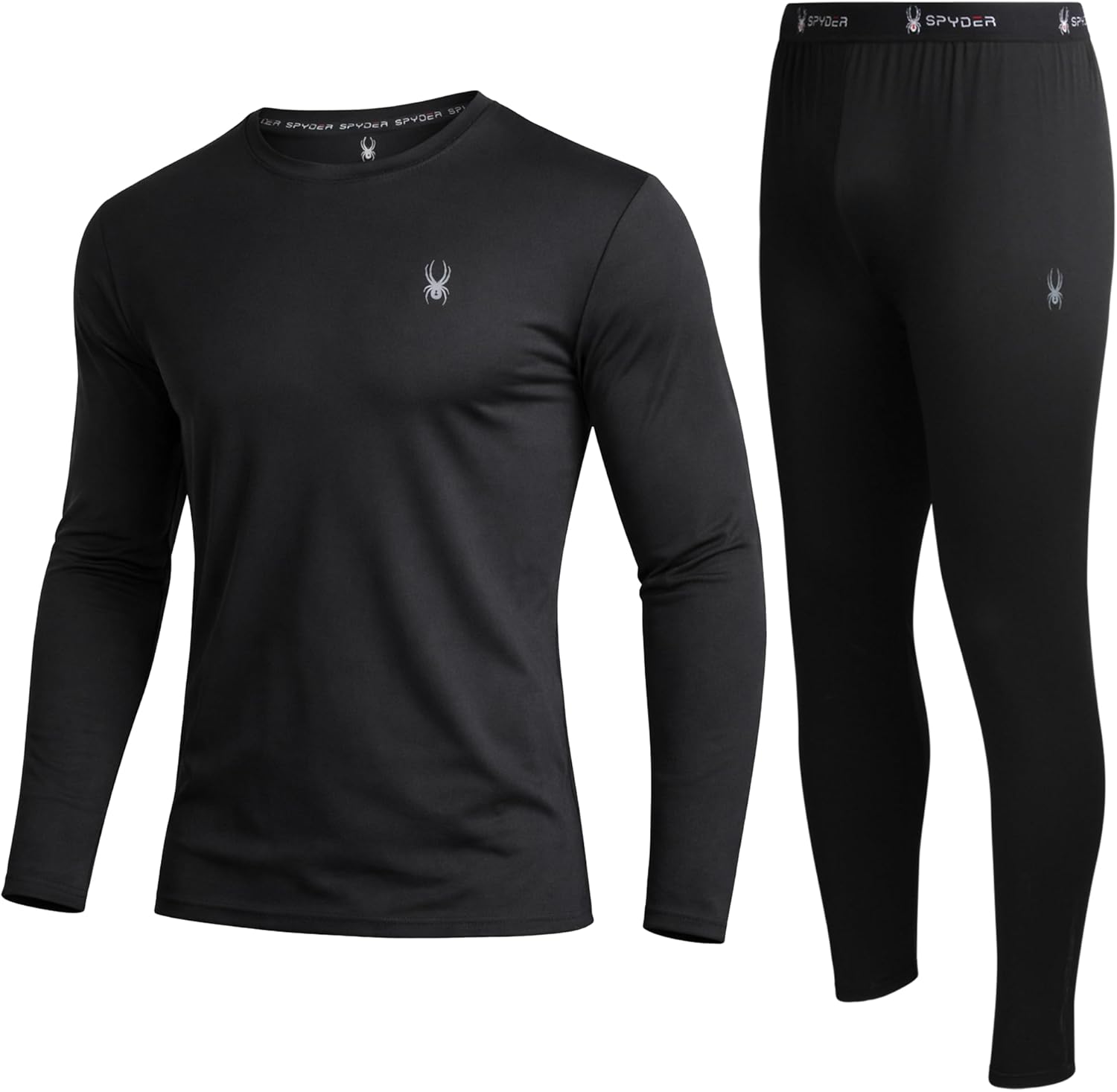
Layering clothes is the most effective way to stay comfortable when the weather shifts during a trip. By combining a base layer, a mid layer, and an outer shell, you can adapt to cold planes, air-conditioned buildings, and sudden rain without carrying a suitcase full of bulky items. This guide explains how to choose layers that work together, pack efficiently, and wear the bulkiest piece on the plane so you have more room in your luggage.
The Three-Layer System
A successful layering system relies on three distinct pieces that each perform a specific job. When worn together, they trap warmth, wick moisture, and block wind or rain. When the temperature rises or you enter a heated space, you can remove one or two layers and still look presentable.
Base Layer
The base layer sits against your skin. Its main job is to wick sweat away so you stay dry and warm. Choose a lightweight, breathable fabric such as merino wool or a synthetic blend. Cotton is not recommended because it holds moisture, which can make you cold quickly. A long-sleeved top is ideal for most trips, but a short-sleeved option works in warmer climates. Look for a snug but not tight fit so it can trap a thin layer of air without restricting movement.
Mid Layer
The mid layer provides insulation by trapping warm air. Common options include a fleece jacket, a lightweight sweater, or a a packable insulated jacket. Fleece is breathable and easy to wash, while a packable down or synthetic insulated jacket offers more warmth for its weight. The mid layer should be roomy enough to fit over the base layer without bunching. If you plan to be active, choose a mid layer that vents heat, such as a full-zip fleece.
Outer Shell
The outer shell protects you from wind, rain, and snow. A waterproof or water-resistant jacket is essential for changing weather. A a lightweight rain jacket can be packed into its own pocket and pulled out when a shower hits. For colder conditions, a softshell jacket offers some insulation and breathability, while a hardshell is fully waterproof. Make sure the shell is large enough to fit over your mid layer without restricting arm movement or zipping up too tightly.
Choosing Layers That Work Together
The key to an effective layering system is compatibility. Each layer must fit comfortably over the one below, and the fabrics should complement each other. Avoid mixing materials that pill or snag, such as rough fleece against delicate merino wool. Instead, choose smooth-faced mid layers that slide easily under a shell.
Consider the climate range you will encounter. For a trip that spans cool mornings and warm afternoons, a lightweight base layer and a packable insulated jacket may be enough. If you expect rain, add a waterproof shell. For very cold conditions, you might need a heavier mid layer and a lined shell. Always check the manufacturer’s care instructions for each piece, especially if you plan to wash them on the road.
Color coordination is practical. Stick to neutral tones such as black, gray, navy, olive, or tan. These colors mix and match easily, allowing you to create several outfits from a few pieces. A bright mid layer can add personality, but make sure it works with your outer shell and pants. For travel clothing, versatility is more important than fashion.
Packing and Wearing Layers for Travel
One of the biggest challenges of layered travel is packing bulky items. The solution is to wear your bulkiest layer on the plane. This saves valuable space in your luggage and keeps you warm during the flight, which is often over-air-conditioned. A packable down jacket or a fleece worn on the plane can be stuffed into a compression bag or used as a pillow.
For air-conditioned buildings, such as museums, restaurants, or hotels, keep your mid layer handy. You can remove your outer shell and put on the mid layer as soon as you step inside. If you are moving between indoor and outdoor spaces frequently, a lightweight fleece or cardigan that can be tied around your waist is convenient.
Packing cubes help organize your layers. Roll each piece to minimize wrinkles and compress them. Place your base layers and mid layers in one cube, and your outer shell in another. This way you can grab what you need without unpacking your entire bag.
Example Layering Combinations
Cool Shoulder-Season City Trip
Imagine a trip to a city in spring or fall where mornings are chilly (around 50°F / 10°C), afternoons warm up to 65°F / 18°C, and evenings cool down again. A good combination would be:
- Base layer: Long-sleeved merino wool or synthetic top
- Mid layer: Lightweight fleece jacket or a thin packable insulated jacket
- Outer shell: Water-resistant softshell jacket or a lightweight rain shell
In the morning, wear all three layers. When the sun comes out, remove the outer shell and carry it in your daypack. If you get too warm, take off the mid layer and wear just the base and shell. In the evening, put the mid layer back on.
Mixed-Climate Trip
For a trip that includes a cold mountain region and a warmer coastal city, you need a system that can handle a wide temperature swing. A typical setup might be:
- Base layer: Long-sleeved synthetic top (works in both climates)
- Mid layer: Packable insulated jacket (down or synthetic)
- Outer shell: Fully waterproof hardshell jacket
- Additional layer: A lightweight fleece or vest for extra warmth in the cold area
In the cold region, wear the base, fleece, insulated jacket, and shell. In the warmer city, wear only the base and shell, or just the base and fleece if evenings are cool. The packable insulated jacket compresses small, so it does not take up much space in your luggage when not needed.
Common Mistakes and How to Avoid Them
- Wearing cotton as a base layer. Cotton absorbs moisture and dries slowly, making you cold. Stick to merino wool or synthetics.
- Choosing a mid layer that is too bulky. A thick sweater may not fit under your shell and can restrict movement. Opt for a packable insulated jacket or a slim fleece.
- Forgetting to test the fit before your trip. Try on all three layers together at home. Raise your arms, bend, and sit down. If anything feels tight or restricts motion, swap it out.
- Overpacking layers. You do not need a different jacket for every scenario. One base, one mid, and one shell can cover a wide range of conditions if chosen wisely.
- Ignoring the outer shell’s breathability. A non-breathable rain jacket can trap sweat and make you damp. Look for a shell with pit zips or a breathable membrane.
FAQ
Can I wear a hoodie as a mid layer?
Yes, a hoodie can work as a mid layer if it is made of fleece or a similar warm fabric. However, hoodies are often bulky and may not fit easily under a shell. A full-zip fleece or a packable insulated jacket is usually more versatile for travel.
How do I layer for a trip with both hot and cold destinations?
Focus on a modular system. Use a lightweight base layer that works in heat, a packable insulated jacket for cold, and a waterproof shell that can be worn alone in rain. Add a thin fleece if you need extra warmth. Wear the bulkiest items on the plane to save luggage space.
What should I do if my outer shell is too warm for the weather?
Choose a shell that is purely waterproof and windproof without insulation. That way you can wear it as a standalone layer in mild conditions or over a mid layer when it is cold. If you already own an insulated shell, use it only when temperatures are low, and remove the mid layer to avoid overheating.
How do I keep my layers dry when it rains heavily?
Make sure your outer shell is fully waterproof, not just water-resistant. Look for taped seams and a durable water repellent (DWR) finish. If you are caught in a downpour, put the shell on over your mid layer and keep your base layer dry. For more guidance on choosing a travel jacket, refer to the travel jacket guide.
Layering is a skill that becomes easier with practice. By investing in a few high-quality, compatible pieces, you can travel lighter and stay comfortable no matter where the weather takes you. Remember to check the forecast before you pack and always test your layers before you leave. For recommendations on travel pants that pair well with your layering system, see the travel pants guide.