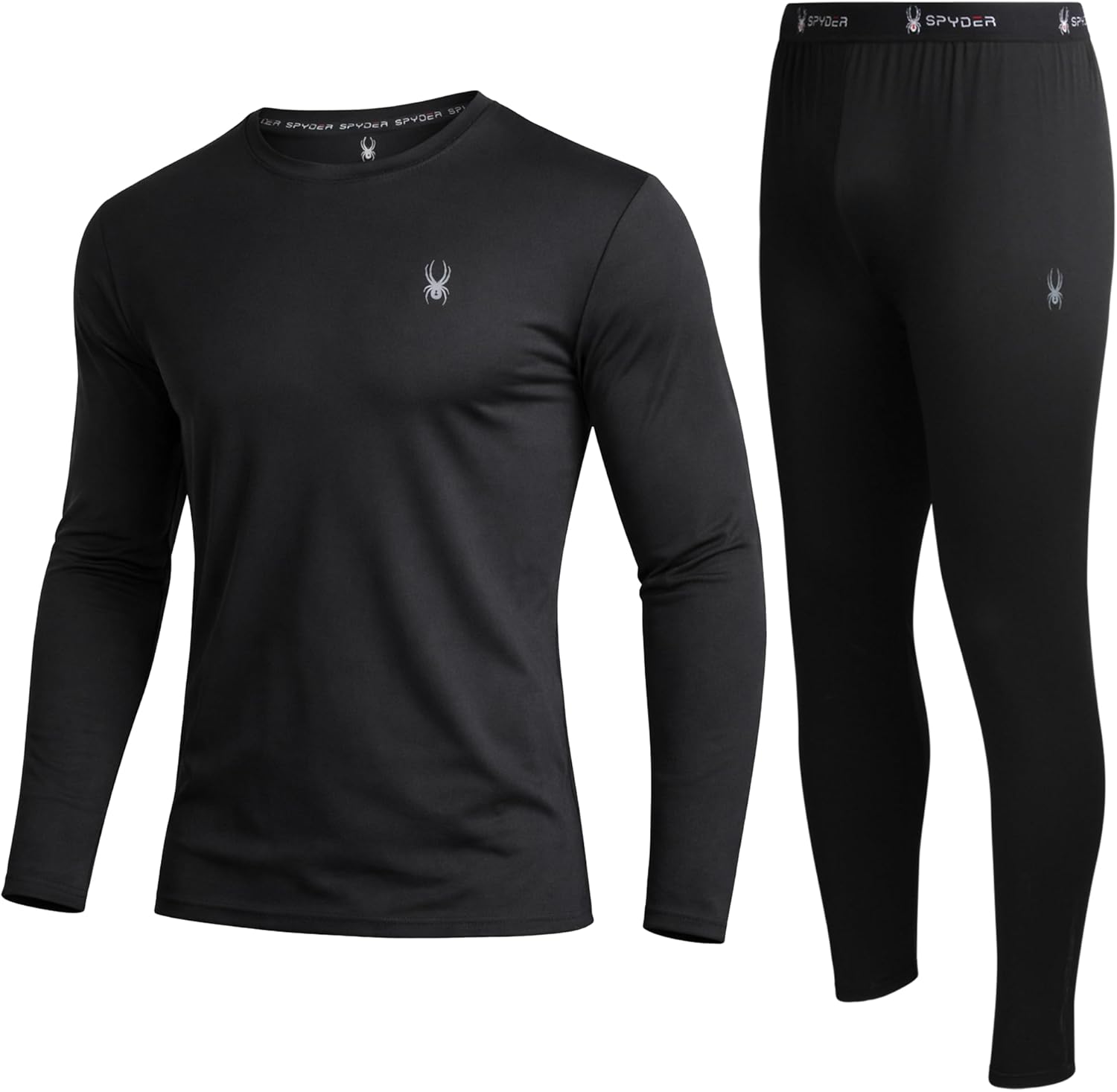
Choosing between merino wool and synthetic travel shirts comes down to how you prioritize odor resistance, drying speed, durability, and care. Merino wool naturally resists odors and regulates temperature well, while synthetic fabrics dry faster, hold up to more abuse, and are easier to wash on the road. This guide breaks down the key differences so you can pick the right shirt for your next trip.
How Each Option Works
Merino Wool Travel Shirts
Merino wool comes from Merino sheep and is prized for its fine fibers, which are much thinner than traditional wool. This makes the fabric soft against the skin and less likely to itch. The natural structure of the fiber traps air, providing insulation even when damp, and the fiber’s structure helps it resist odor buildup. Merino shirts can be worn multiple days without washing and still smell fresh, a major advantage for multi-day travel or backpacking.
Merino wool is also breathable and wicks moisture away from the skin, though it does not dry as quickly as synthetics. The fabric tends to be less durable, especially in thinner weights (lightweight or ultralight shirts), and can develop holes or pilling with frequent wear and washing. Wrinkle resistance is excellent—merino shirts rarely need ironing. Care requires a gentle cycle or hand wash in cold water, and air drying is recommended to avoid shrinkage.
Synthetic Travel Shirts
Synthetic travel shirts are made from materials like polyester, nylon, or blends. These fabrics are engineered for performance: they dry very quickly, wick sweat away from the body, and are highly durable. Many synthetic shirts also have stretch for comfort and movement. Odor resistance is a weaker point—synthetics tend to trap bacteria and develop a smell faster than merino, though some brands apply silver-based or other antimicrobial treatments to mitigate this. Those treatments can fade over time.
Synthetics are generally more abrasion-resistant than merino, making them a better choice for rugged activities or frequent washing. They can wrinkle, but many are designed to be wrinkle-resistant. Care is simple: machine wash warm or cold, tumble dry low, and they bounce back quickly. The main trade-off is that synthetics do not insulate as well when wet and can feel clammy in humid conditions if not properly ventilated.
Side-by-Side Comparison Table
| Property | Merino Wool | Synthetic |
|---|---|---|
| Odor Resistance | Excellent natural resistance; can be worn multiple days without smell | Moderate; develops odor faster; some treatments help but fade |
| Drying Time | Slow to moderate; can take hours to dry fully | Fast; often dries in under an hour in warm air |
| Warmth & Breathability | Warm even when damp; breathable and temperature-regulating | Wicks moisture but loses insulation when wet; can feel clammy in humidity |
| Durability | Less durable; thin fabrics can snag, pill, or develop holes | Highly durable; resists abrasion and frequent washing |
| Wrinkle Resistance | Excellent; resists wrinkles naturally | Good; many synthetic shirts are wrinkle-resistant |
| Care | Gentle wash cold, air dry; avoid heat and fabric softener | Machine wash warm or cold, tumble dry low; easy care |
| Best Climate | Cool to variable climates; excellent for layering | Hot, humid, or rainy climates; fast drying is key |
When Merino Wool Is the Better Choice
Merino wool travel shirts shine in situations where odor control and temperature regulation matter most. If you are packing light for a multi-day trip and want to wear the same shirt several times without washing, merino is hard to beat. It also performs well in cool or variable weather because it insulates even when damp, making it a natural base layer for layering clothes for changing weather on a trip.
For trips that involve a mix of indoor and outdoor activities, such as city tours in spring or fall, a merino shirt helps you stay comfortable as temperatures shift. The fabric’s wrinkle resistance means you can pull it out of a backpack and look presentable without ironing. If you are heading to a destination where laundry access is limited, merino’s odor resistance is a real advantage.
Merino is also a good choice for travelers who prioritize sustainability, as wool is a natural, renewable fiber. However, keep in mind that thin merino shirts (common for warm-weather travel) are less durable. You may want to look for a blend that adds nylon or polyester for strength. Many merino blends offer a balance of softness and durability. For a selection of options, browse merino wool shirts.
When Synthetic Is the Better Choice
Synthetic travel shirts are ideal for hot, humid, or rainy climates where quick drying is essential. If you plan to sweat heavily, swim in your shirt, or get caught in downpours, a synthetic shirt will dry much faster than merino, reducing the risk of chafing and discomfort. They are also the go-to choice for high-intensity activities like hiking, cycling, or running, where moisture management and durability are critical.
In very hot and humid environments, synthetics can feel less breathable than merino, but their fast-drying property often compensates. Look for shirts with mesh panels or ventilation features. For trips that involve frequent washing—such as hostel hopping or extended travel with limited clothing—synthetics hold up better to repeated machine washing and drying without losing shape or developing holes.
Durability is another strong point. Synthetic shirts can withstand rough use, backpack straps, and abrasive surfaces better than merino. They are also generally less expensive, though prices vary widely. If you are assembling a travel clothing system for a long trip with varied activities, a couple of synthetic shirts are a practical foundation. For fast-drying options, check out quick-dry travel shirts.
Upkeep and Long-Term Ownership
How you care for your travel shirt affects how long it lasts and how well it performs. Merino wool requires more attention. Wash it in cold water on a gentle cycle or by hand, using a mild detergent without bleach or fabric softener. Avoid wringing—roll the shirt in a towel to remove excess water, then lay flat to dry. Heat from dryers or irons can shrink and damage the fibers. With proper care, a good merino shirt can last for years, but thin weights may show wear sooner.
Synthetic shirts are much easier. Machine wash in warm or cold water, and you can tumble dry on low heat. High heat can melt some synthetics, so check the care label. Avoid fabric softener, which can clog the fibers and reduce wicking ability. Over time, synthetic shirts may develop a permanent odor if not washed thoroughly, especially if you sweat heavily. Occasional washing with a sports detergent or a vinegar soak can help refresh them.
Blended fabrics—such as merino-nylon or merino-polyester mixes—offer a middle ground. They retain some of merino’s odor resistance and softness while gaining durability and faster drying. Blends are becoming common in travel shirts and are worth considering if you want the best of both worlds. For more on choosing the right shirt for your trip, see the travel shirts guide.
FAQ
Can I wear merino wool in hot weather?
Yes, lightweight merino wool shirts are breathable and can be comfortable in warm weather. They wick sweat and regulate temperature, but they do not dry as fast as synthetics. In very humid conditions, a synthetic shirt may feel less sticky.
Do synthetic shirts always smell bad?
Not always, but they are more prone to developing odor than merino. Antimicrobial treatments help, but they fade over time. Washing after each wear and using a sports detergent can reduce smell. For multiday wear without washing, merino is the better choice.
Which is more durable for backpacking?
Synthetic shirts are generally more durable and resistant to abrasion from backpack straps and rough surfaces. Merino, especially in thin weights, can snag or develop holes more easily. If durability is your top priority, go with synthetic.
How do I wash merino wool while traveling?
Hand wash in cold water with a small amount of mild detergent. Rinse well, then roll in a towel to squeeze out water. Lay flat to dry, away from direct heat. Many travelers use a sink and a travel-size detergent. Avoid wringing or hanging wet merino, as it can stretch.
Choosing between merino wool and synthetic travel shirts depends on your destination, activities, and personal preferences. For cool climates, multi-day wear, and odor control, merino is a strong choice. For hot, humid, or rainy conditions and high durability, synthetics are hard to beat. Consider a blend if you want a compromise. No matter which you pick, packing a couple of well-chosen shirts will make your trip more comfortable.