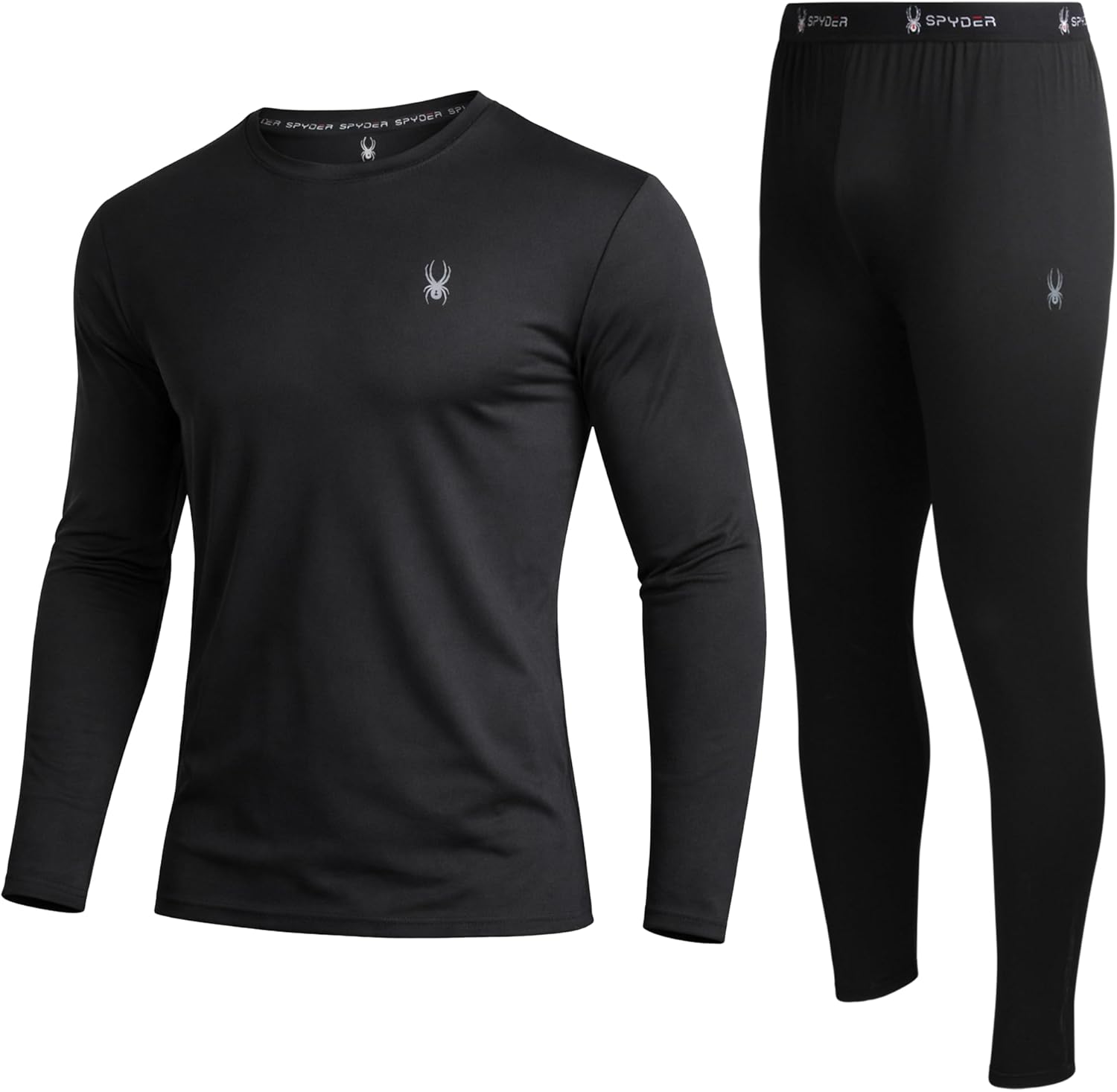
Travel pants are not a single category. Some are made for hiking trails, others for airport marathons, and the best often straddle both. What makes a pair genuinely useful for travel is a combination of stretch, quick-dry fabrics, secure pockets, and a cut that moves easily from a long flight to a day of sightseeing.
What Travel Pants Are and Who They Suit
Travel pants are regular-looking trousers with travel-specific features. You can wear them on a plane, walk around a city, then sit down for a meal without changing. They suit anyone who wants to pack less and avoid rumpled, heavy denim on a trip. They also work for business travelers who need a polished look on the go, and for outdoor travelers who want one pair of pants for both trails and town.
Compared with jeans or dress pants, travel pants usually use synthetic or blended fabrics that dry faster, stretch more, and resist wrinkles. Some have hidden pockets for carrying cards or cash. Others convert from long pants to shorts when the afternoon turns hot. For a broader look at travel-specific clothing, see the travel clothing guide.
Main Types and How They Differ
Quick-Dry Synthetics
Polyester and nylon dominate this category. These fabrics hold their shape after washing, move moisture away from your skin, and dry quickly in a hotel bathroom. They are also prone to holding odors if worn for many days without washing, though finishes can help. If you plan to wash your pants in a sink and dry them overnight, a quick-dry synthetic is often the easiest choice.
Cotton Blends
Cotton blends add a softer, more natural hand and a slightly dressier look. They still contain enough synthetic fiber to dry faster than pure cotton and resist wrinkles better. The trade-off is that they generally do not dry as quickly as full synthetics, and they may feel heavier in a wash bag. A cotton blend works well for city-focused trips where you will not be caught in heavy rain or working up a sweat.
Convertible Pants
Convertible pants have zippered legs that turn the trousers into shorts. They are a practical choice for warm afternoons, hiking, or unpredictable weather. The zippers add a little bulk and visual noise, so if you rarely need shorts, a standard pair may look cleaner. Many travelers use convertible pants as a single-bag travel solution for mixed climates.
Another option is a merino-blend pant, though it is less common. Merino drapes well and resists odors, but it requires more careful washing than most synthetics. For a closer look, see the merino versus synthetic travel shirts guide.
| Fabric type | Drying speed | Wrinkle resistance | Best suited for |
|---|---|---|---|
| Quick-dry synthetic | Fast | High | Long flights, hiking, sink washing |
| Cotton blend | Moderate | Medium | City trips, dinners, everyday wear |
| Convertible | Depends on fabric | Depends on fabric | Changing temperatures, trail to town |
Once you know the fabric you prefer, you can look at travel pants and compare the details that matter to you.
Features That Actually Matter
Stretch for Comfort and Movement
Stretch is what separates travel pants from rigid chinos. Look for a hint of spandex, elastane, or a mechanical stretch weave. In practice, that means you can sit cross-legged on a plane, step over puddles, or scramble up a short incline without feeling restrained. The best stretch is subtle: enough to move freely but not so much that the pants lose their shape.
Pockets That Keep Your Essentials Secure
Pockets are the most visible travel feature. Zip closures on side or back pockets make it much harder for pickpockets to slide out a phone or passport. Hidden interior pockets, sometimes behind the main pockets, are useful for a folded card or a backup key. Deep front pockets are also important; shallow pockets make you nervous every time you stand up.
Wrinkle Resistance and Fabric Weight
Wrinkle resistance depends on the weave and the fiber. A tightly woven synthetic fabric bounces back after being folded in a carry-on. A looser cotton blend will show creases. Also pay attention to weight: a heavier fabric feels more substantial but dries slowly and packs thicker. A midweight pant is a good compromise for most trips.
Zipper Details and Convertible Legs
Zippers on leg hems can turn full-length pants into shorts. On models designed for hiking, the zipper may sit at the knee or slightly above. Check that the zipper is smooth, covered at the hem to avoid scratching, and does not create a lump when you wear the pants. The same attention applies to small zip pulls on pockets; they should lie flat and not catch on jacket straps.
Sizing, Fit and Compatibility
Fit matters more than fabric. Travel pants should be comfortable when you sit for many hours, so choose a cut with room in the hips and thighs. A tapered leg keeps you looking tidy, while a straight leg suits more casual travelers. Try on the pants with the shoes you will actually wear on the trip; a cropped fit that looks fine with sneakers may look wrong with hiking boots.
Consider layering. If you plan to wear the pants on a cold flight or a chilly evening, make sure they can accommodate a thin base layer underneath without feeling tight. If you will wear them in hot weather, look for a fabric with a bit of mesh or venting, although that is more common in hiking-specific models.
Also think about what you will carry with them. Check that the pockets do not create a bulky silhouette when full. Some travel pants have dedicated passport pockets with a small hook-and-loop or zip closure, which is useful when you are moving between accommodation and city transport. Pair your travel pants with a thoughtfully chosen travel jacket guide for cold-weather trips.
Common Buying Mistakes
- Choosing pure cotton. Pure cotton absorbs moisture, takes a long time to dry, and wrinkles easily. Unless you stay in dry climates and do not plan to wash clothes on the road, it is not a travel-first choice.
- Ignoring stretch. A good fit matters, but without stretch even the right fit can feel restrictive after hours in a plane seat.
- Buying the wrong length. Check whether the pant is available in different inseams or adjustable hems. A proper hem helps you avoid dragging fabric or exposing your ankles.
- Overestimating pockets. Pockets are useful, but too many pouch pockets can look cluttered and make the pants less versatile for restaurants or nicer venues.
- Forgetting the laundry routine. If a garment requires special handling or cannot be washed by hand, it may be a poor travel companion.
Care, Cleaning and Upkeep
Before you wash anything, read the care tags and follow the manufacturer’s instructions. Most travel pants are designed to handle hand washing in a sink, but some have specific requirements for temperature or detergent.
Washing Travel Pants in a Sink
Fill a sink or basin with cool or lukewarm water and add a small amount of mild travel detergent. Turn the pants inside out to protect the outer surface. Submerge them, gently squeeze the fabric, and let them soak for a few minutes before rinsing thoroughly with clean water.
Do not wring or twist the pants, especially if they contain stretch fibers. Wringing can distort the waistband and cause permanent creases. Instead, press the water out with your hands or lay the pants flat on a clean towel, roll the towel and pants together, and press gently. This speeds up drying.
Drying Overnight
To dry pants overnight, hang them on a sturdy clothes hanger or a travel clothesline in a well-ventilated room. Keep them away from direct heat sources, and smooth out wrinkles with your hands while they are still damp. Some quick-dry fabrics will be ready by the next morning. Heavier cotton blends may need extra time or a short blast from a hair dryer on a low setting, though always check the care label first.
After you arrive, hang your travel pants in the bathroom while you shower. The steam helps release wrinkles, which is especially useful for cotton blends.
FAQ
Can I wear the same pants for hiking and a city dinner?
Yes, if the fabric, fit, and color work for both. Choose a darker shade that hides dirt, a midweight fabric that does not look too technical, and a cut that is streamlined rather than baggy. Convertible pants can also work, though the zippers may make them look more outdoorsy.
How do I dry travel pants in a hotel room?
Rinse out the detergent, press out excess water with a towel, then hang the pants on a hanger or clothesline in a well-ventilated area. Aim the air conditioner or ceiling fan at the pants to speed evaporation. Avoid placing them on a heater or radiator unless the care label allows it.
Are convertible pants worth it?
They are worth it if you will encounter warm afternoons or a mix of temperatures and want to avoid carrying both long pants and shorts. The trade-off is the extra bulk of the zippers and a less polished look. If weather is predictable, a regular pair of quick-dry pants is simpler.
Do I need wrinkle-resistant fabric?
Not strictly, but wrinkle-resistant fabric makes travel easier. You can wear your pants straight from a packing cube without hunting for an iron. If you prefer cotton blends, a little steam from a hot shower can help release creases.
Once you know what to look for, travel pants become a simple decision. Focus on stretch, quick-dry material, secure pockets, and a fit that feels good for hours. Check the care instructions, and you will have a versatile pair that works from the aircraft to the trail and back. You can find more detail in the travel pants guide.