 By Emily Parker
Updated November 2026
Shopping for traveler’s choice hardside luggage usually comes down to three questions: how much you need to pack, whether you want the bag to expand, and how much you care about a shell that resists cracks and scuffs. This guide compares three Traveler’s Choice hardside models across size, construction and use case. We based the selection on published specifications, the brand’s track record with hardside shells, and patterns that appear in owner feedback, including how the bags roll, how the zippers and handles hold up, and how well each size suits real trips. We did not test these bags ourselves, so treat the notes below as a research summary rather than hands-on results.
Our top picks at a glance
- 1
 TOP CHOICEBest overallTraveler's Choice Pagosa Hardshell Expandable Luggage, 30-InchView on Amazon
- 2
 Best for mid-length tripsTraveler's Choice Ultimax II Polycarbonate Hardside Luggage, 28-InchView on Amazon
- 3
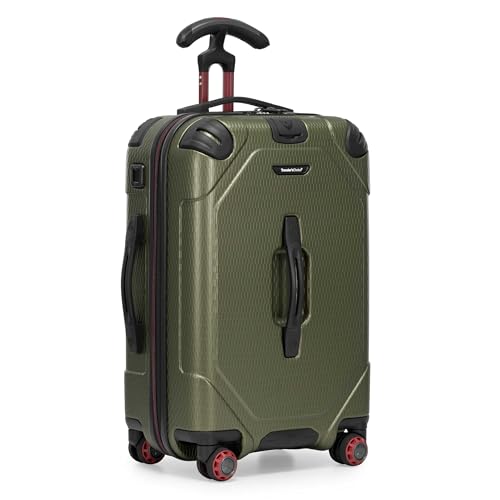 Best for carry-on-only travelTraveler's Choice Maxporter II Polycarbonate Hardside Trunk, 22-InchView on Amazon
Our Top Picks
Quick Comparison
| Product | Best for | Key feature |
|---|---|---|
| Traveler’s Choice Pagosa Hardshell Expandable Luggage, 30-Inch | Longer trips and heavier packers | Expandable shell with spinner wheels |
| Traveler’s Choice Ultimax II Polycarbonate Hardside Luggage, 28-Inch | Mid-length trips and family travel | Polycarbonate shell in a versatile medium size |
| Traveler’s Choice Maxporter II Polycarbonate Hardside Trunk, 22-Inch | Carry-on-only travel | Compact 22-inch footprint that fits most airline overhead limits |
Traveler’s Choice Pagosa Hardshell Expandable Luggage, 30-Inch
Traveler's Choice Pagosa Hardshell Expandable Luggage with Spinner Wheels, Gray, 30-Inch Large
Best for: Longer trips and heavier packers who need the most room in a single hardside bag.
This is the largest of the three and the one to consider if you pack for a week or more, or if you often bring back purchases. The expandable design gives you extra capacity when you need it and a slimmer profile when you do not.
Key specs:
- 30-inch (large checked) size category
- Hardshell exterior with spinner wheels
- Expandable main compartment
Pros:
- Large capacity suits week-long and longer itineraries
- Expansion adds room without carrying an extra bag
- Spinner wheels allow 360-degree movement through airports
Cons:
- Fully packed, it approaches checked-bag weight limits quickly
- Its size makes it a poor fit for tight overhead bins
Bottom line: Pick this if you need the most space in a single hardside case and plan to check your bag.
View on AmazonTraveler’s Choice Ultimax II Polycarbonate Hardside Luggage, 28-Inch
Traveler's Choice Ultimax II Polycarbonate Hardside Luggage with Spinner Wheels, Matte Navy, 28-Inch Medium Trunk
Best for: Mid-length trips and family travel where one medium bag needs to handle most of the packing.
The 28-inch size sits between a carry-on and a large checked case. It is a practical choice for trips of about four to ten days, and it works well when you want a single bag that is easier to lift than a 30-inch case.
Key specs:
- 28-inch (medium checked) size category
- Polycarbonate hardshell exterior
- Spinner wheels
Pros:
- Good balance between capacity and manageable weight
- Polycarbonate shell is known for flexing rather than cracking under impact
- Spinner wheels make it easy to steer on smooth floors
Cons:
- Too large for most carry-on limits, so it must be checked
- Hard shells show scuffs more readily on some finishes
Bottom line: A strong middle-of-the-road pick for families and travelers who want one bag for typical trips.
View on AmazonTraveler’s Choice Maxporter II Polycarbonate Hardside Trunk, 22-Inch
Traveler's Choice Maxporter II Polycarbonate Hardside Trunk with Spinner Wheels, Green, 22-Inch Carry-on Luggage
Best for: Carry-on-only travel and short trips where you want to skip baggage claim.
The 22-inch size is the most common carry-on dimension among airlines, so it is the pick if you want to avoid checked-bag fees and wait times. Packing discipline matters more with a bag this size.
Key specs:
- 22-inch carry-on size category
- Polycarbonate hardshell exterior
- Spinner wheels
Pros:
- Sized for typical carry-on dimension limits
- Hardshell protects fragile items better than most soft bags
- Light enough to lift into an overhead bin without strain
Cons:
- Limited capacity for trips longer than a long weekend
- Carry-on limits vary by airline, so confirm dimensions before flying
Bottom line: Choose this for short trips and carry-on-only packers who want a protective shell.
View on AmazonBuying Guide
Check the Size Category Before You Buy
Hardside luggage is sold by height in inches, and those numbers are not interchangeable with airline limits. Most U.S. airlines cap carry-on dimensions around 22 x 14 x 9 inches including wheels and handles, though limits differ by carrier. Measure the bag’s listed dimensions, not just its name.
Good picks for this: Traveler’s Choice Maxporter II Polycarbonate Hardside Trunk, 22-Inch; Traveler’s Choice Ultimax II Polycarbonate Hardside Luggage, 28-Inch
Expandable Versus Fixed Capacity
An expandable shell adds several inches of depth, which helps on trips where you come home with extra clothing or gifts. The tradeoff is a bulkier empty bag and a zipper seam that must be sealed properly. If you rarely overpack, a fixed-capacity case is simpler.
Good picks for this: Traveler’s Choice Pagosa Hardshell Expandable Luggage, 30-Inch; Traveler’s Choice Ultimax II Polycarbonate Hardside Luggage, 28-Inch
Shell Material: Polycarbonate and Other Hardshells
Polycarbonate is a common hardside material. It tends to flex under pressure and recover, which many owners find more forgiving than brittle plastics. Shell thickness and finish matter too. Glossy finishes show scratches more clearly, while matte finishes hide light scuffs better.
Good picks for this: Traveler’s Choice Ultimax II Polycarbonate Hardside Luggage, 28-Inch; Traveler’s Choice Maxporter II Polycarbonate Hardside Trunk, 22-Inch We also found Travelers Choice Charvi III Hardside Luggage: 4 Best Picks Compared (2026) useful on this point.
Weight When Empty and Packed
Empty weight is the starting point, and the difference between a light and heavy shell can be several pounds. Remember that a full bag adds to the total, and most checked-bag limits are around 50 pounds. Weigh your bag with a handheld scale before a trip, especially if you plan to fill it.
Good picks for this: Traveler’s Choice Maxporter II Polycarbonate Hardside Trunk, 22-Inch; Traveler’s Choice Ultimax II Polycarbonate Hardside Luggage, 28-Inch
Wheels and Maneuverability
Spinner wheels rotate in all directions and make the bag easier to steer through terminals. Two-wheel designs pull more smoothly on rough surfaces but require more lifting of the handle. Check that the wheels are protected by a recessed or framed housing, since exposed wheels take the most damage.
Good picks for this: Traveler’s Choice Pagosa Hardshell Expandable Luggage, 30-Inch; Traveler’s Choice Maxporter II Polycarbonate Hardside Trunk, 22-Inch
Zippers, Locks and Handles
Zippers are where many hardside bags show wear first. Look for a shell that opens with a clamshell design and a reinforced zipper track. TSA-accepted locks are useful for U.S. travel, since they allow inspectors to open the bag without damaging it. Telescoping handles should feel firm, with no wobble at full extension.
Good picks for this: Traveler’s Choice Ultimax II Polycarbonate Hardside Luggage, 28-Inch; Traveler’s Choice Pagosa Hardshell Expandable Luggage, 30-Inch
Care and Maintenance
Hardshells are easy to clean. Wipe the exterior with a damp cloth and mild soap, then dry it fully. Avoid harsh solvents, which can dull the finish. Keep the wheels clear of hair and debris, and store the bag upright or on its side away from heat sources.
Good picks for this: Traveler’s Choice Maxporter II Polycarbonate Hardside Trunk, 22-Inch; Traveler’s Choice Ultimax II Polycarbonate Hardside Luggage, 28-Inch
FAQ
Is traveler’s choice hardside luggage good for carry-on travel?
The 22-inch Maxporter II is the most relevant option for carry-on use. Always confirm your airline’s current carry-on dimensions and weight limits before you fly, since they vary by carrier and fare class.
Does expandable luggage count as a larger bag at the airport?
Yes, usually. Many airlines measure bags in their expanded state, so an expandable case that is within limits when closed may exceed them when open. Check the airline’s policy and keep the bag closed at the gate.
What is polycarbonate, and why does it matter?
Polycarbonate is a tough thermoplastic often used in hardside luggage. It is valued for its ability to absorb impact and flex back into shape. It is not indestructible, so sharp impacts can still crack a shell over time.
Can I bring a hardside bag on a budget trip?
Yes. A smaller 22-inch case is often the most economical choice because it avoids checked-bag fees on many airlines. Check your airline’s fee schedule, since policies change frequently.
How do I keep hardside luggage from getting scratched?
Matte finishes hide light scuffs better than glossy ones. Protective covers or luggage tags reduce surface wear, and storing the bag away from abrasive surfaces helps too.
Are TSA locks necessary on hardside bags?
They are not required, but TSA-accepted locks allow security inspectors to open your bag without breaking it. If you use a non-approved lock, inspectors may need to cut it off.
Which size should a first-time traveler choose?
If you travel for a few days at a time, the 22-inch carry-on is the simplest starting point. For trips of a week or more, the 28-inch or 30-inch models give you more room, though you will likely need to check the bag.
Conclusion
Among these three traveler’s choice hardside options, the 30-inch Pagosa suits longer trips and anyone who needs maximum capacity. The 28-inch Ultimax II is a practical middle ground for families and mid-length travel. The 22-inch Maxporter II is the right choice for carry-on-only trips and short getaways. Match the size category to your trip length and airline rules first, then consider finish and features.
Sources
- Approved lock guidance and what screeners can and cannot open (tsa.gov)
- Consumer information on airline baggage fees and policies (transportation.gov)
- Product safety guidance relevant to luggage and travel accessories (cpsc.gov)
Related reading
- Travelers Choice Hardside Spinner Luggage: 4 Best Picks Compared (2026)
- Kensie Signora Hardside Spinner Luggage: Full Buyer's Guide (2026)
- Hardside vs Softside Luggage Reddit: What Travelers Actually Say
- Hardside or Softside Luggage Reddit: What Frequent Travelers Say
About Emily Parker
Emily Parker is part of our editorial team and reviews and edits our luggage & travel tech guides, checking product details against manufacturer specifications and owner feedback.