By Emily Parker
Updated November 2026
The pros and cons of hardside luggage come down to protection versus flexibility. Hardside cases shield fragile items and shrug off rain and rough baggage handling, but they usually weigh more, flex less and can be harder to repair than softside bags. This guide lays out where each trade-off matters so you can decide whether a hard shell fits how you travel.
Where Hardside Luggage Excels
The biggest advantage is the shell itself. A rigid exterior resists punctures, crushing and the pressure of stacked bags on a belt, which makes it a sensible choice for breakables, camera gear or anything you would rather not see squashed. Most hardside cases are also water-resistant, so a sudden downpour on the way to the car rarely soaks through to your clothes.
Shopping for one? See our guide: Samsonite Ziplite 6 Hardside Spinner Luggage Review: Pros and Cons.
Many hardside designs use a clamshell opening with two halves that hinge apart. Packing is simple: lay clothes flat on one side, layer on the other, and close the lid without pressing everything into a corner. Owners often report that the smooth interior makes it easier to wipe up spills than fabric lining.
Where Hardside Luggage Falls Short
Weight is the most common complaint. A hard shell adds bulk before you pack a single item, and that matters when airlines enforce strict weight limits on checked bags. Check the empty weight of any case you are considering, since two bags of the same outside dimensions can differ noticeably.
Flexibility is the second drawback. Hardside cases cannot squeeze into a tight overhead space the way a soft bag can, and an overstuffed shell may not close at all. Expandable models add capacity, but the expansion zipper and gusset are usually softside, which weakens the protective edge. Repairs also tend to be harder. A cracked shell often means replacing a panel or the whole case, while a torn fabric pocket can frequently be sewn.
Weighing Hardside Against Your Travel Style
Hardside luggage suits travelers who check bags often, ride trains or buses where bags get tossed around, or carry delicate items. It fits well for trips where you pack moderately and value a neat, clamshell layout. It is less ideal if you need to fit a bag under a seat, cram in souvenirs on the way home or pick a very light case for frequent carry-on trips.
Before deciding, ask yourself three questions:
- Do I check bags more often than I carry on?
- Will I pack fragile items or electronics?
- Do I need to squeeze extra space in at the end of a trip?
If you answered yes to the first two and no to the third, a hardside case is likely a good match.
Hardside Luggage Pros and Cons at a Glance
| Factor | Hardside | Softside |
|---|---|---|
| Impact and crush protection | Strong | Moderate |
| Water resistance | Typically high | Varies by fabric |
| Empty weight | Usually heavier | Usually lighter |
| Flexibility to squeeze in items | Limited | High |
| Ease of repair | Harder | Often easier |
Tips for Choosing a Hardside Case
- Compare empty weight, not just outside dimensions, before buying.
- Look for a shell material you can identify, such as polycarbonate or ABS, and read how the manufacturer describes its impact resistance.
- Check whether the wheels and handle are replaceable or covered by warranty.
- Test the zipper or latch action in person if you can, since poor hardware is a common failure point.
- Do not overpack a shell; forcing it closed stresses the hinges and seams.
Recommended Gear
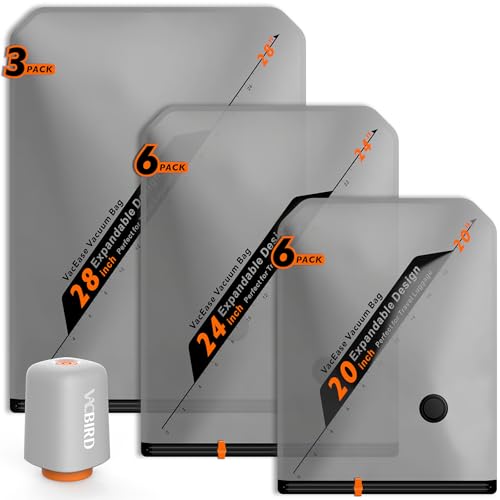
A hard case protects your clothes but not your individual items, so packing cubes help keep the interior organized. Look for a set that fits your bag’s internal dimensions. View on Amazon
Cushioning inserts or soft pouches can separate fragile items from the hard walls. View on Amazon
FAQ
Is hardside luggage better for flying?
It often is for checked bags, because the shell resists crushing and rough handling. Carry-on bags are usually judged more on size and weight than on material, so choose based on the airline’s dimension limits.
Can hardside luggage be repaired?
Minor scuffs rarely need repair, but cracked shells are harder to fix than torn fabric. Many owners replace a damaged panel or the whole case, so check warranty coverage before you buy.
Are hardside cases waterproof?
Most are water-resistant rather than fully waterproof, because zippers, seams and wheel housings can let moisture in. A hard shell still handles rain far better than most fabric bags.
Conclusion
Hardside luggage offers strong protection, water resistance and a tidy clamshell layout, but it costs you some weight and flexibility. If you check bags often or pack fragile items, the trade-off is usually worth it. If you value squeezing in extra room, a softside case may suit you better.
Related reading
- Samsonite Winfield 2 Hardside Expandable Luggage with Spinner Wheels (2026): Pros, Cons & Verdict
- Samsonite Freeform Hardside Carry-on Luggage with Spinner Wheels (2026): Pros, Cons & Verdict
- Samsonite Centric 2 Hardside Expandable Luggage with Spinner Wheels (2026): Pros, Cons & Verdict
- Is Hardside Luggage Better Than Softside? Pros, Cons and Who Should Pick Each
- Samsonite Outline Pro Hardside Spinner Luggage: Size, Features and Buying Tips
- Nobl Carry On Luggage Review (2026): Features, Pros and Cons
Ready to choose one?
About Emily Parker
Emily Parker is part of our editorial team and reviews and edits our luggage & travel tech guides, checking product details against manufacturer specifications and owner feedback.