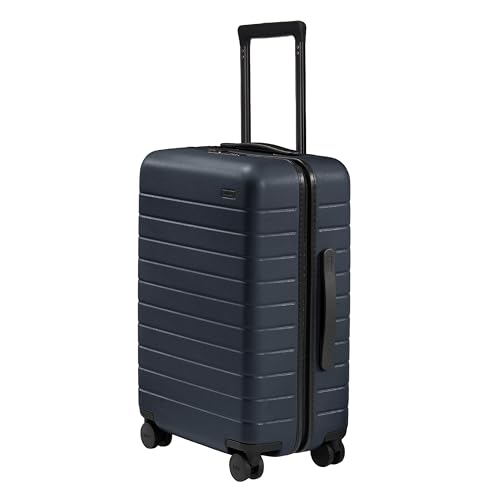
By Emily Parker
Aluminum carry on luggage is one of the more distinctive options in the hard-shell category, and it is worth understanding before you buy. This guide explains how aluminum shells are built, how they compare with polycarbonate and other materials, and how to check size limits, weight and fit so the bag works on your next flight. By the end, you should be able to decide whether a metal shell suits the way you travel.
What Makes Aluminum Carry On Luggage Different
Most hard-shell suitcases use plastic: polycarbonate, ABS or polypropylene. Aluminum carry on luggage swaps that shell for thin sheets of metal, usually an aluminum alloy, shaped over an internal frame. The result looks sharper and feels more industrial than plastic, and it tends to show a distinctive ridged or brushed surface. Manufacturers generally describe metal shells as rigid and resistant to crushing, though they also note that metal can bend or dent under a hard, concentrated blow.
For a broader comparison of plastic and metal shells, see Polycarbonate, ABS, Polypropylene or Aluminum: Hard-Shell Luggage Materials. That article covers flex, scuff behavior and repairability in more detail than this guide can.
How Aluminum Shells Are Built
Aluminum shells are usually made from several pieces joined to a frame, with hinges and corner guards attached to the metal. Because the shell is not one molded piece, seams and joints matter. When you inspect a bag, look at how the panels meet, whether the rivets or fasteners sit flush, and whether the wheel housings are reinforced. Weak joints are a more common failure point than the metal itself.
Weight Trade-Offs
Aluminum is dense, so a metal shell often weighs more than a comparable polycarbonate shell of the same outside dimensions. That matters because many airlines enforce weight limits on carry-on bags, and some budget carriers are strict about it. Check the empty weight printed in the product specifications before you buy, then add the weight of your typical packing load.
Check Airline Size and Weight Rules First
Size is where most carry-on problems start. A bag that looks compact can still exceed the dimension limit once wheels and handles are included. Most US carriers measure the total outside dimensions, including protruding parts, and the published limits vary by airline and sometimes by fare class.
Start with the actual numbers in the product listing, then compare them against your airline’s posted maximum. Measure the bag yourself with a soft tape, extending the handle and including the wheels. Manufacturers often list the “shell” dimensions, which can differ from the full outside measurement.
Step-by-Step Size Check
- Find the outside height, width and depth listed by the manufacturer. Note whether they include wheels and handle.
- Look up your airline’s carry-on limit for height, width, depth and combined linear inches.
- Extend the handle fully and measure again, including wheels. Use the larger figure.
- Pack the bag at its usual weight and weigh it on a bathroom or luggage scale.
- Compare the results to your airline’s weight rule, if it has one, and leave a margin of a pound or two for souvenirs.
Common Carry-On Dimensions
| Check | What to Verify | Why It Matters |
|---|---|---|
| Outside height | Includes wheels and handle | Most common reason bags fail the gauge |
| Outside width and depth | Measured at widest points | Overhead bin fit depends on depth |
| Linear inches | Height + width + depth | Some carriers use this single total |
| Empty weight | Printed on spec sheet | Limits what you can pack |
| Wheel and handle profile | Protrusion when retracted | Adds to measured size |
For a fuller explanation of how limits are set and measured, read How to Choose Carry-On Luggage: Size Limits, Weight and Wheels.
Durability and Repairability
Owners often describe aluminum carry on luggage as stiff and protective, especially for fragile contents like electronics or camera gear. The rigid shell resists compression in a crowded overhead bin. It also tends to hold its shape over time because it does not flex the way some plastics can.
The trade-off is that dents are permanent. Polycarbonate can often be pushed back into shape as it flexes, while metal typically keeps the mark. Scratches can show more on some finishes, and aluminum can pick up surface marks from rough handling. If you travel on a route where baggage handling is rough, weigh this carefully.
Inspect Before You Commit
- Press the corners and panels firmly and listen for flexing or popping.
- Check that hinges, zipper tracks and latches operate smoothly.
- Look at wheel mounts and handle attachments, since these take the most stress.
- Confirm the interior lining and compression straps are sturdy.
- Ask whether replacement parts such as wheels or handles are available for the model.
If you plan to keep one bag for many years, Choosing Luggage for Long Trips: Durability and Repairability explains which features make repair easier.
Who Aluminum Carry On Luggage Suits
Metal shells make the most sense for travelers who prioritize structural rigidity, a distinctive look, and protection for hard or fragile items. Business travelers who carry laptops and sample cases often appreciate the firm feel. Frequent flyers who want a bag that stands up to repeated gate-checks may also find it appealing.
Other travelers may be better served by a different material. If you value light weight above everything, Lightweight Luggage: How Light Is Light and What You Give Up shows how weight varies across constructions. If you want expansion or exterior pockets, Soft-Side Luggage: Fabrics, Expansion and Pockets may fit better. For a sense of the wider field, see Best Hard-Shell Luggage.
Common Mistakes to Avoid
- Trusting the shell measurement alone. Wheels and handles often add an inch or more to the outside dimensions.
- Ignoring weight. A heavier empty bag can push a full load over the limit.
- Overpacking the rigid shell. Metal does not give, so bulging can stress seams and zippers.
- Skipping the joint inspection. Seams and rivets are where problems usually start.
- Assuming it is indestructible. Metal resists crushing but dents from sharp impacts.
Tips for Getting the Most From Your Bag
- Pack heavier items low and near the wheels to keep the bag stable when rolling.
- Use a soft liner or packing cubes to reduce rattling and interior scuffs.
- Keep the wheels clean of grit, and lubricate them if the manufacturer recommends it.
- Store the bag with the handle retracted and away from damp areas to limit corrosion risk on any exposed hardware.
- Weigh the bag before each trip, not just the first time.
Recommended gear
These accessories can help you protect and organize a metal-shell bag. Choose options that match the bag’s dimensions and your airline’s rules.
- Packing cubes: Help you keep the interior compact and organized so the shell is not overstuffed. View on Amazon
- Portable luggage scale: Lets you check weight before you reach the airport, which matters for weight-limited carriers. View on Amazon
- Luggage wheel replacement kit: Useful for replacing worn casters on a bag you plan to keep long-term. View on Amazon
- Protective luggage cover: Adds a layer of scratch protection for a bag with a bare metal or brushed finish. View on Amazon
FAQ
Is aluminum carry on luggage heavier than plastic?
Often, yes. Aluminum is denser than most plastics, so a metal shell of similar outside size can weigh more empty. Compare the listed empty weight before buying.
Does aluminum luggage dent easily?
Metal resists crushing well but can dent from a sharp or concentrated impact. Unlike some plastics, dents usually do not pop back out.
Will an aluminum bag pass airline size checks?
It can, as long as the total outside dimensions including wheels and handle fall within your airline’s limits. Measure the bag yourself to confirm.
Is aluminum luggage more durable than polycarbonate?
Durability depends on the kind of stress. Metal is generally rigid and crush-resistant, while polycarbonate can flex and recover from some impacts. Owners weigh these differences based on how they travel.
Can I repair a damaged aluminum shell?
Some minor repairs, such as replacing wheels, handles or latches, are often possible. Structural damage to the shell may be harder to fix, so check warranty and parts availability before buying.
Does aluminum luggage need special care?
Basic care is usually enough: wipe the surface, keep wheels clear of debris, and store the bag dry. Follow any cleaning guidance from the manufacturer for the specific finish.
Do airlines treat metal carry-ons differently?
Airlines generally apply the same size and weight rules regardless of material. The shell type does not change the requirement, so the measurements are what count.
Conclusion
Aluminum carry on luggage offers rigidity, a distinctive look and strong crush resistance, with trade-offs in weight and permanent dents. Start by confirming your airline’s size and weight limits, then measure the bag with its wheels and handle extended. Inspect the joints and hardware before you buy, and decide whether the protective qualities outweigh the added weight for your trips.
Ready to choose one?
About Emily Parker
Emily Parker is part of our editorial team and reviews and edits our luggage & travel tech guides, checking product details against manufacturer specifications and owner feedback.