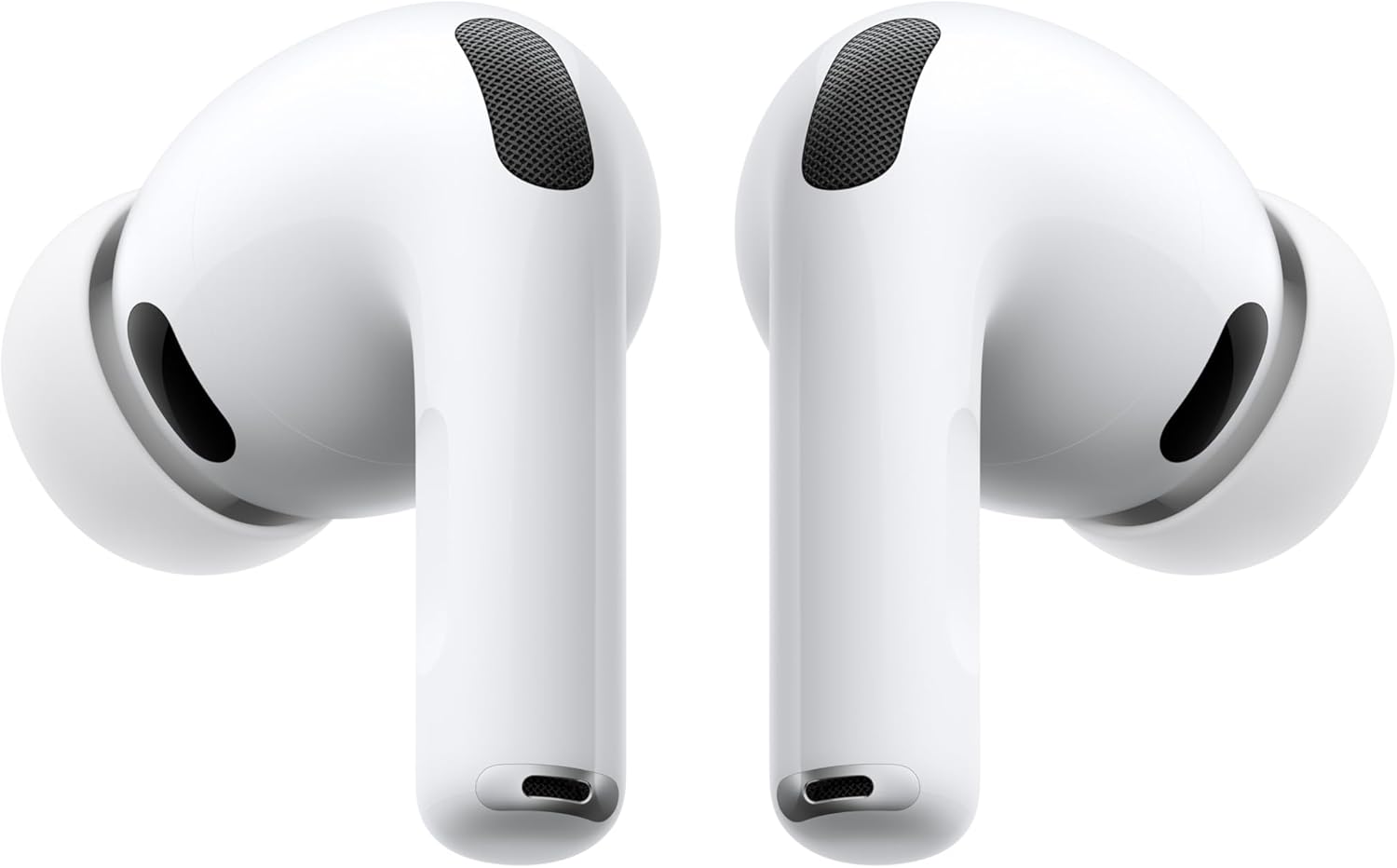
Choosing noise-canceling headphones for travel comes down to understanding how active noise cancellation (ANC) works, deciding between over-ear and earbud styles, ensuring comfort for long flights, and knowing how to handle battery life and wired connections for in-flight entertainment. This guide covers the key factors that affect your experience, helping you make an informed choice for your next trip.
How Active Noise Cancellation Works
Active noise cancellation uses microphones built into the headphones to pick up ambient sound. The headphones then generate a sound wave that is the exact opposite (inverted) of the noise, canceling it out before it reaches your ears. This technology is most effective at reducing low, steady sounds like airplane engines, air conditioning hum, or the drone of a train. It is less effective against sudden, high-pitched noises such as a crying baby or a loud conversation.
Passive noise isolation, on the other hand, relies on the physical design of the headphones to block sound. Over-ear models with thick ear cushions create a seal around your ears, while earbuds with silicone or foam tips block the ear canal. Many noise-canceling headphones combine both active and passive methods for maximum quiet. When shopping for noise-canceling headphones, look for models that describe their ANC as “adaptive” or “multi-mode,” as these can adjust the level of cancellation to your environment.
One important nuance: ANC requires power to function. If the battery dies, the active cancellation stops, but you can still use the headphones as regular passive headphones (provided you have a wired connection). Some models also offer a “transparency” or “awareness” mode, which uses the microphones to let in outside sound—useful for hearing announcements or having a quick conversation without removing the headphones.
Over-Ear or Earbuds: Which Suits Your Travel Style?
The choice between over-ear headphones and true wireless earbuds depends on your priorities for comfort, portability, and noise cancellation effectiveness.
Over-Ear Headphones
Over-ear models typically offer the best noise isolation because the ear cups fully enclose your ears. The larger drivers also tend to deliver richer sound. For long-haul flights, the padding on the headband and ear cups can make a significant difference in comfort. However, they are bulkier and take up more space in your carry-on. Many fold flat or collapse into a compact shape, but the carrying case still adds weight. If you plan to use them for several hours at a stretch, over-ear headphones are often the more comfortable choice, especially if you wear glasses (look for deep, soft ear cushions that don’t press on the frames).
True Wireless Earbuds
Earbuds are far more portable and easier to stow in a pocket or small pouch. Their ANC has improved dramatically, with many models rivaling over-ear performance for steady noise. The trade-off is battery life: earbuds typically offer fewer hours per charge, and the charging case must be recharged itself. Fit is critical—if the ear tips don’t create a good seal, both noise isolation and bass response suffer. For sleeping on a plane, earbuds can be more comfortable because they don’t have a headband pressing on your head, but some people find them intrusive. Consider foam ear tips for a better seal and all-day comfort.
A hybrid option exists: some over-ear headphones can be folded into a very small case, while some earbuds come with a neckband that holds the battery and controls. Evaluate how you travel most often. If you pack light and value minimal bulk, earbuds may be the better fit. If you prioritize maximum noise cancellation and long-wear comfort, over-ear headphones are hard to beat.
Comfort on Long Flights
Comfort is arguably the most important factor for travel headphones, since you may wear them for hours at a time. Key elements include:
- Headband padding: A well-padded headband distributes weight evenly and prevents pressure points. Look for one that is wide and lined with breathable material.
- Ear cup material: Memory foam covered with leatherette or fabric provides a good seal and comfort. Leatherette can get warm over time; fabric breathes better but may not isolate as well. Some headphones use a combination.
- Weight: Heavier headphones can become fatiguing. Compare the listed weights; a lighter pair is usually easier to wear for hours.
- Clamping force: Too tight and you’ll feel pressure; too loose and the seal breaks. Adjustable headbands help you find the right fit.
If you plan to sleep on the plane, consider how the headphones interact with your pillow. Over-ear cups can be pushed forward by a pillow, while earbuds may be more comfortable if you lie on your side. A thin travel pillow can help keep over-ear headphones in place. For more on choosing a pillow, see our memory foam vs inflatable travel pillows guide.
For earbuds, try different tip sizes and materials. Foam tips conform to your ear canal and can be more comfortable for extended wear than silicone tips. Many earbuds now come with multiple tip options, so experiment before your trip.
Battery Life Claims and Wired Mode
Manufacturers advertise battery life under specific conditions: ANC turned on, volume at a moderate level, and using a wireless connection. In real-world use, you may get fewer hours if you listen loudly, use transparency mode frequently, or stream high-resolution audio. For long-haul flights, look for headphones that claim enough battery life to cover the duration of your flight plus some buffer. Over-ear models generally run longer per charge than earbuds, which rely on top-ups from their charging case.
Many over-ear noise-canceling headphones can still play through a cable when the battery runs out (most earbuds cannot), but active noise cancellation stops working when the battery is dead. You will still hear audio through the cable, but you lose the quieting effect. Some headphones allow you to use ANC while charging via USB, but that requires access to a power source. For flights, it’s wise to carry a portable power bank to recharge your headphones between connections.
Wired mode also consumes the headphone’s internal battery if you want ANC to remain active. Check the manufacturer’s instructions: some models require the headphones to be powered on even when using the cable for ANC to work. Others have a passive mode that lets you listen without any power at all, but with no ANC. If you plan to rely on wired mode for in-flight entertainment, ensure the cable included has a standard 3.5mm plug and that the headphones can operate passively if needed.
Connecting to Seatback Screens
Most seatback entertainment systems now use a standard 3.5mm jack, but some aircraft still have an older two-prong jack. If your headphones have a 3.5mm cable and you meet a two-prong jack, you will need an adapter. Some headphone manufacturers include one in the box; if not, you can purchase airline headphone adapters separately. These adapters are small and inexpensive, so it’s a good idea to keep one in your travel kit.
Bluetooth connectivity is increasingly allowed on flights, but policies vary by airline. Some require you to enable airplane mode on your device, which disables Bluetooth unless you manually re-enable it. Even then, not all airlines permit Bluetooth during taxi, takeoff, and landing. Wired mode remains the most reliable option for seatback screens. A wired connection also avoids the audio lag some wireless setups have when watching video.
Another consideration: the volume output from seatback screens can be low. Headphones that need little power to drive get louder from a weak source, so if you can, test yours with a low-output device before your trip.
Cases and Portability
The carrying case that comes with your headphones affects how easily you can pack them. Over-ear headphones usually include a hard or semi-hard case that protects them from being crushed in your bag. Some cases are compact and fit well in a carry-on, while others are bulky. Look for a case that has a shape that fits your packing style—some are rectangular, others are rounded. If you prefer to save space, some over-ear models fold flat and can be slipped into a laptop compartment without a case, though this risks damage.
Earbuds come with a charging case that is typically small enough to fit in a pocket. The charging case itself provides protection and is essential for recharging the buds on the go. However, the case can be a bit heavy if it includes a large battery. Consider the overall footprint: a small charging case plus a spare cable may be all you need.
For travelers who want maximum portability, earbuds have a clear advantage. But if you prioritize sound quality and ANC performance, a well-designed over-ear case that fits in your personal item is a worthwhile trade-off. Some over-ear headphones fold flat, which makes the case slimmer.
FAQ
Can I use noise-canceling headphones without battery?
Many over-ear models can play passively through a cable, but active noise cancellation will not work. The audio quality may be lower, and the headphones will rely solely on passive isolation. Check the manufacturer’s instructions to see if your model supports passive playback.
Do I need an adapter for airplane entertainment?
Most likely yes, if your headphones have a standard 3.5mm plug and the seatback screen uses a dual-prong jack. Some aircraft still have the two-pin system, so a small adapter is worth keeping in your bag. Some headphones include one, but it’s easy to buy a separate adapter.
Are over-ear or earbuds better for sleeping on a plane?
Earbuds are generally more comfortable for side sleepers because they don’t have a headband that presses against your pillow. Over-ear headphones can be used if you sleep upright or with a travel pillow that supports your head without pushing the ear cups. Foam ear tips on earbuds can also reduce pressure inside the ear.
How do I clean my noise-canceling headphones?
Use a soft, dry cloth to wipe the exterior. For ear cups, remove them if possible and hand wash with mild soap and water, then air dry completely. Avoid getting moisture into the microphone ports or charging contacts. Check the manufacturer’s care instructions for specific recommendations.
When you choose noise-canceling headphones for travel, focus on the features that directly affect your comfort and usability: ANC performance, fit, battery life, wired connectivity, and portability. By understanding how these elements work together, you can find a pair that makes every flight quieter and more enjoyable.