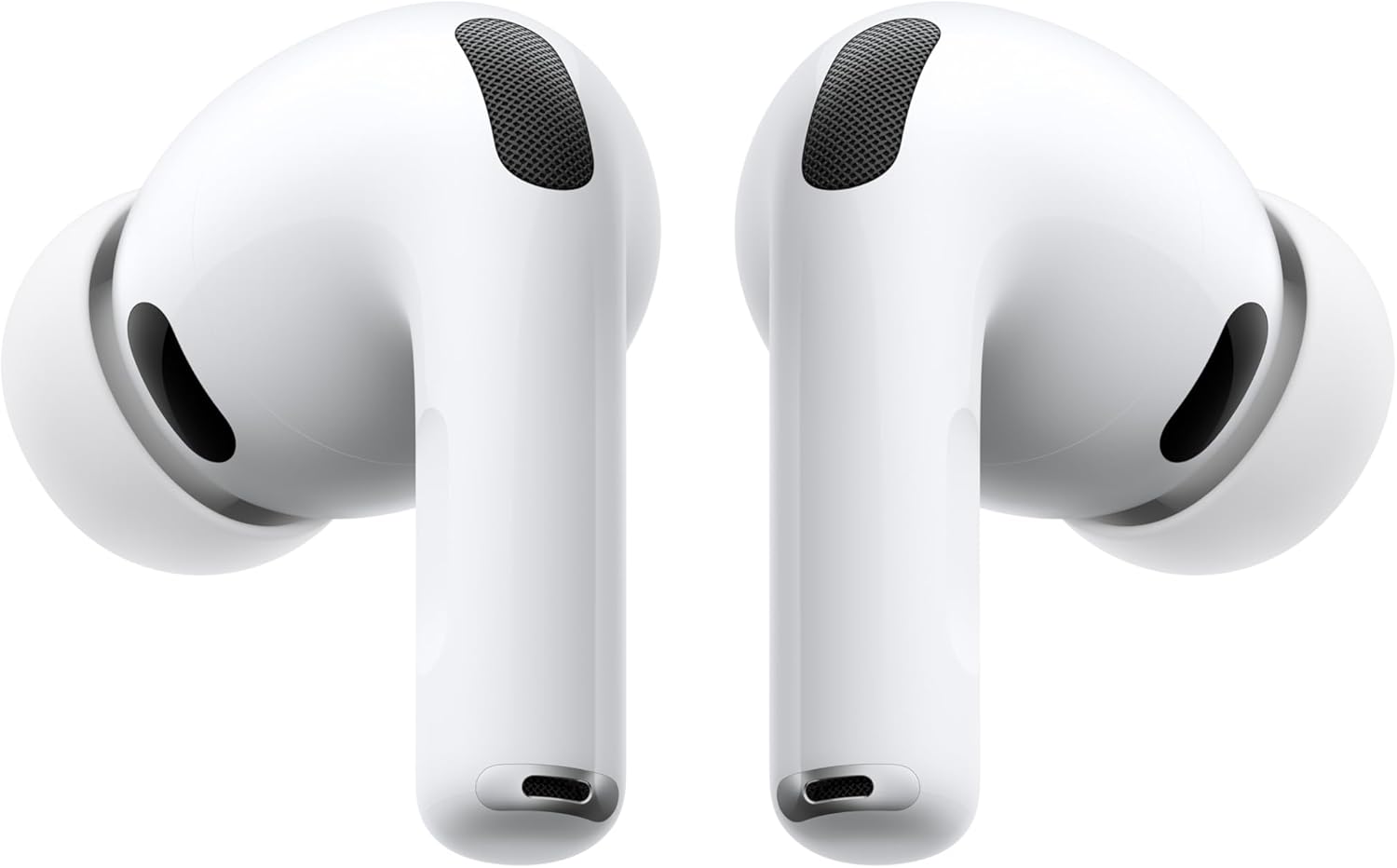
Traveling with earbuds can be a smart choice for saving space and staying comfortable during flights, layovers, and hotel stays. The key is balancing noise canceling performance, a secure and comfortable fit, enough battery life to last a long flight, and the ability to connect to the entertainment system on the plane. This guide walks you through each factor so you can pick a pair that matches your travel habits.
Earbuds or Over-Ear Headphones
The first decision is whether to bring earbuds or a pair of over-ear headphones. Both have strengths, and the best choice depends on what you prioritize.
Earbuds are far more portable. Their small charging case slips into a pocket or the corner of a personal item bag. Over-ear headphones, even folding models, take up noticeable space and add weight. If you travel light with only a small backpack or crossbody bag, earbuds are the easier companion.
Comfort over long periods is a different matter. Many travelers find over-ear headphones more comfortable for flights of several hours because the padding distributes pressure around the ears. Earbuds, even with soft tips, create a seal inside the ear canal that can cause pressure or fatigue for some people. This varies person to person — you may find certain earbud shapes perfectly fine for a six-hour flight.
Noise canceling is another differentiator. Over-ear headphones typically offer stronger active noise cancellation because the ear cups create a physical barrier and the circuitry has more room to be effective. High-end earbuds can come close, but the smaller drivers and the lack of a sealed cup mean they often let through more low-frequency noise like engine rumble. That said, for many travelers, the noise canceling in premium earbuds is good enough to make a long flight peaceful.
If you already own a good pair of noise-canceling over-ears, you may not need earbuds for flying. But if you are starting from scratch, consider how often you travel and how much bag space you are willing to sacrifice. For more in-depth comparison on over-ear options, read our guide to noise-canceling headphones for travel.
Noise Canceling in Earbuds
Noise canceling in earbuds works through a combination of active noise cancellation (ANC) and passive isolation from the ear tips. ANC uses microphones to pick up ambient sound and produces an opposite sound wave to cancel it. Passive isolation simply blocks noise because the ear tip seals the ear canal.
On an airplane, the low-frequency drone of the engines is the main nuisance. Quality ANC in earbuds handles that drone effectively, reducing it to a distant hum. Higher-pitched noises, like a crying baby or clattering dishes in the aisle, are less affected by ANC because the cancellation technology is less effective at those frequencies. That is where passive isolation plays a role — a good seal with a dense foam tip can block more of those mid- and high-frequency sounds than a silicone tip.
The effectiveness of ANC in earbuds is limited by the small size of the microphones and processing power available. But top-tier examples do an impressive job. If you are sensitive to engine noise or want to listen to podcasts and music at a lower volume, ANC earbuds are a worthwhile investment. Some budget-friendly earbuds also include basic ANC, though performance may be noticeably weaker.
Keep in mind that ANC requires power — it drains the battery faster than just playing audio. On a long flight, you may need to juggle ANC on during loud sections and off later to conserve power. Some earbuds allow you to adjust ANC levels or switch to a transparency mode that lets in ambient sound when you need to hear announcements.
Fit and Ear Tips
Fit is arguably the most important factor for travel earbuds. If they do not stay in your ears or cause discomfort after an hour, all other features become irrelevant. The fit depends on the shape of the earbud body and the ear tips you choose.
Most earbuds come with several sizes of silicone tips. Silicone is durable, easy to clean, and creates a decent seal for most ear shapes. A newer alternative is memory foam tips, which compress when you insert them and then expand to conform to your ear canal. Foam tips typically provide a more secure seal, better passive noise isolation, and are often more comfortable for long periods because they exert gentle, even pressure.
If you find that earbuds keep slipping out when you walk through the airport or move your head, try a larger tip size or switch to foam. Some earbuds include wing tips or ear fins that hook into the outer ear for extra stability. Models with a low-profile, ergonomic shape can also sit flush in the ear, which makes them less likely to snag on a headrest or be bumped out.
For long wear, comfort is key. Pay attention to the pressure inside your ear canal. If you feel any sharp points or hot spots after a few minutes, the earbud shape may not work for you. Reading product descriptions about the nozzle length and angle can help you guess, but the best way is to try a pair with a generous return policy. Do not settle for a pair that hurts after a short test — a long flight will only amplify the discomfort.
Battery Life and the Charging Case
Earbuds rely on their built-in batteries for playback, and the charging case serves as a portable power bank to recharge them on the go. Check the listed playback time with ANC on, since that is the figure that matters on a flight, and how many recharges the case provides.
It is smart to check the battery status before you leave for the airport. Most earbud apps show the charge level of each bud and the case. Plan to have everything fully charged before a long flight. If your earbuds support quick charging, a short top-up in the case while you wait at the gate can buy you extra time.
Be aware that battery life numbers from manufacturers are measured under specific conditions — volume level, ANC usage, and wireless codec all affect real-world runtime. On a plane, you may run ANC at full power and listen at moderate volume, which can drain the battery faster than the listed figure. Carrying a portable power bank that can recharge the case via USB-C is a practical backup. For advice on travel-friendly charging accessories, see our travel charger guide.
Some earbuds now include wireless charging in the case, so you can top them up on a hotel nightstand pad. This is convenient, but not essential. The key is making sure you have a way to recharge the case during a long travel day, especially if you have a layover or a multi-leg flight.
Seatback Screens
One of the most common frustrations with earbuds in the air is connecting to the seatback entertainment system. Most seatback systems use a standard 3.5mm headphone jack, though some older seats use a two-prong jack that needs an adapter.
The simplest solution is to bring a wired backup cable. Some earbuds come with a short auxiliary cable that lets you plug directly into the seat jack, bypassing Bluetooth entirely. If your earbuds do not have a wired connection option, you will need a Bluetooth transmitter. These small devices plug into the headphone jack and broadcast a Bluetooth signal that your earbuds can pair with. Choose a transmitter that supports low latency to avoid lip-sync issues when watching movies.
Some airplane Bluetooth transmitters plug straight into the seatback jack without an extra cable. However, keep in mind that you will need to carry the transmitter, keep it charged, and pair it before the flight. A wired connection is simpler and never runs out of battery.
If you plan to rely on Bluetooth only, check whether your earbuds support multipoint or quick switching so you can seamlessly move from your phone to the transmitter. Also remember that some airlines restrict Bluetooth use during takeoff and landing, so you may need to switch to a wired connection for those phases. Always confirm with the airline’s policy — many now allow Bluetooth throughout the flight, but it can vary.
Sleeping with Earbuds
Using earbuds for sleep on a plane, train, or in a hostel can be a game changer. The goal is to block out noise without causing discomfort when you lie on your side. Most standard earbuds stick out of the ear and press against a pillow, making sleep impossible.
Look for earbuds with a low-profile design that sits flush with the outer ear. Some models are specifically marketed as sleep earbuds, but any pair with a short nozzle and a small body can work. Switching to low-profile foam tips can help reduce protrusion.
If you plan to sleep with earbuds, keep the volume low. Prolonged exposure at high volume can damage your hearing, and you may damage the earbuds themselves if you roll onto them. Some earbuds have a sleep mode or a timer you can set to stop playback after a certain time, saving battery and allowing you to drift off.
Another risk is losing a single earbud. When drifting off in a reclined seat, it is easy for a loose bud to fall into the crevice of the seat or onto the floor. A charging case with a secure closure helps, but the best prevention is choosing earbuds that stay firmly in your ears even when you move. Some travelers prefer sleep masks with built-in speakers for this reason, but earbuds offer better noise isolation.
FAQ
Can I use earbuds on a plane?
Yes. Bluetooth earbuds can be used on most flights, though you may need to enable airplane mode on your phone. Check with your airline for specific rules about Bluetooth use during takeoff and landing. For seatback screens, you will need a wired connection or a Bluetooth transmitter.
How can I keep earbuds from falling out during travel?
Ensure you are using the correct ear tip size. Try wing tips or ear fins if included. Foam ear tips often provide a more secure grip than silicone because they expand to match your ear canal. Also, avoid earbuds with a long, heavy body that can loosen with movement.
Can I sleep with earbuds in my ears?
Yes, but choose low-profile earbuds that do not stick out far. Use soft foam tips to minimize pressure. Keep the volume moderate and consider using a timer or sleep mode to avoid all-night playback. Be careful not to lose a bud if you roll over.
Do earbuds have better noise canceling than over-ear headphones?
In general, over-ear headphones provide more powerful active noise cancellation because they cover the entire ear. However, high-end earbuds approach similar performance for low-frequency sounds like engine rumble. For passive isolation, earbuds with foam tips can block a lot of noise, but over-ear headphones still have an advantage with their sealed cups.
Making Your Choice
The right earbuds for travel strike a balance between noise canceling, fit, battery life, and connectivity. If you fly frequently and value portability, a pair with strong ANC, foam tips for comfort, and a case that can recharge multiple times is a solid investment. For peace of mind with seatback screens, consider a model that includes a wired cable or pick up noise-canceling earbuds and add a separate transmitter. Ultimately, the best earbuds are the ones you do not mind wearing for hours, that charge well enough to get you through the day, and that stay securely in your ears even when you nap.