By Emily Parker
Updated November 2026
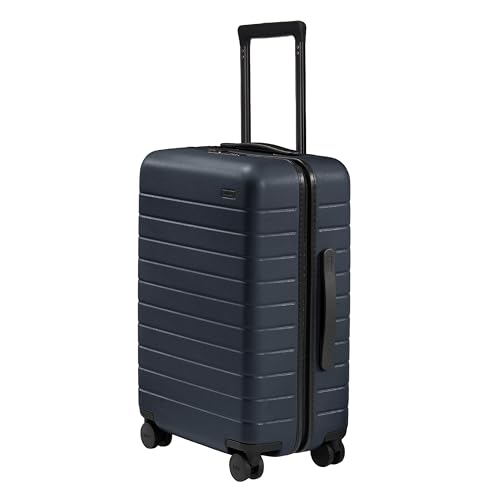
A rolling hardside carry-on luggage 18in bag can be a practical choice for travelers who want a compact, protective case that still fits most overhead bins and some under-seat spaces. This guide walks you through how to measure your needs, check airline dimensions, compare shell materials and wheel systems, and pack so the bag stays within limits. By the end, you will have a clear checklist for narrowing down options.
Why an 18-inch hardside carry-on makes sense
Most major US carriers measure carry-on bags as a combined total of length, width and height, and many set the limit near 22 x 14 x 9 inches including wheels and handles. An 18-inch bag leaves some margin under that ceiling, which matters when you add a personal item or when a gate agent measures a bag that has bulged slightly. Some airlines and budget carriers have tighter limits or smaller bin allowances, so the 18-inch size is often a safer starting point than a full-size 22-inch case.
Shopping for one? See our guide: 9 Best Carry On Luggage Hardsides Compared for Frequent Flyers (2026).
The trade-off is capacity. An 18-inch shell typically holds several days of clothing for one person, not a full two-week trip. If you plan to stay longer, consider packing cubes and a dedicated laundry plan rather than trying to force a larger bag into a smaller frame.
Step 1: Check the airline limits before you buy
Dimension rules differ by carrier, and some change without much notice. Look up the current carry-on size on each airline’s official website before you commit to a bag, especially if you fly on a regional or ultra-low-cost carrier. Pay attention to whether the limit includes wheels and handles, since many listings give external dimensions that may or may not match the airline’s measurement method.
Also check the weight allowance. Airlines rarely weigh carry-ons, but some regional jets and certain international flights impose strict limits, and an empty 18-inch hardside shell can still weigh several pounds before you pack a thing. Look at the empty weight in the product specifications so you can plan your load.
Measuring your current bag
If you already own a bag you want to compare, measure it yourself in the following order:
- Lay the bag flat on the floor with the wheels pointing down and the handle retracted.
- Measure the height from the bottom of the wheels to the top of the shell, not including any protruding handle.
- Measure the width from side to side at the widest point, including any side handles or bulges.
- Measure the depth from front to back, including the wheel housings if they extend beyond the shell.
- Add the three numbers and compare the total to your airline’s stated combined limit.
Step 2: Compare hardside shell materials
Hardside bags are usually made from polycarbonate, ABS, or a blend of the two, and some use a fiber-reinforced composite. Each material responds differently to impacts, temperature changes and scuffs, so the right choice depends on how you travel.
| Shell material | Strengths | Trade-offs |
|---|---|---|
| Polycarbonate | Flexes under impact and can recover its shape; resists cracking in cold conditions | Can show scratches over time; some finishes look worn sooner |
| ABS | Rigid, lightweight and generally affordable to produce; holds its surface color well | Can crack or dent under sharp impacts rather than flexing |
| Polypropylene or composite blends | Often lighter and more impact-tolerant; some owners report good performance in rough handling | Finish and warranty terms vary widely between brands |
Owners often report that polycarbonate shells hold up well to baggage handling, while ABS shells look sharp for longer if you avoid rough treatment. Read the product’s material description carefully, because some brands blend materials or use proprietary names.
Shell construction details
Look for a seam design that keeps the two halves aligned, a sturdy zipper or clamshell latch, and reinforced corners. Corners take most of the punishment in transit, and a bag with exposed corner guards or thicker molding usually handles drops better than one with a thin, uniform shell.
Step 3: Evaluate the wheel system
Spinner wheels, which have four wheels that rotate 360 degrees, are the most common choice for 18-inch rolling bags. They let you move the bag beside you through an airport and handle tight turns easily. Two-wheel designs, which roll on a fixed axis and are pulled behind you, are often lighter and quieter on hard floors but can be harder to steer on uneven surfaces.
Check whether the wheels are housed inside the shell or stick out past it. Recessed wheels reduce the overall footprint and protect the wheels from curb strikes, but they may add a little interior depth to the measurement. Spinner wheels should also move smoothly without wobbling; test them in a store if possible, or read recent owner reviews for complaints about wheel failure.
Handle and telescoping mechanics
A telescoping handle should lock firmly at full extension and retract without rattling. Two or three extension positions are common, and you should be able to pull the bag comfortably at your normal walking height. Check that the handle has a second locking point or sturdy brackets, since weak handles are a frequent source of complaints.
Step 4: Consider interior organization
An 18-inch shell has limited space, so interior layout matters more than it does on larger bags. Look for one main compartment with a divider or compression strap, a zippered pocket for electronics, and a removable garment bag or fold-out panel that keeps shirts from wrinkling. Some bags include a laptop sleeve, but check whether it fits your device with a case on.
Clamshell designs open into two halves, with one side holding clothes and the other holding toiletries. Top-loading designs open from the top like a duffel. Clamshells generally show contents more clearly at security checkpoints and let you see everything at once, while top-loaders can feel more like a traditional suitcase.
Step 5: Pack to stay within limits and protect the shell
A hardside bag can bulge when overpacked, and a bulge can push it past the airline’s measurement. Pack with the shell’s maximum internal depth in mind, and avoid placing heavy items on the top side where they can press outward. Use packing cubes to keep layers flat and compressed.
Packing checklist
- Weigh the empty bag and note its tare weight.
- Pack heavy items like shoes and toiletry bottles low and near the wheels.
- Roll soft items such as sweaters and athleisure to save space.
- Use a compression strap or pack a light layer of clothing around the outer edges to avoid bulging.
- Close the shell and check that the zipper or latches close without force.
- Measure the packed bag or set it beside a known reference to confirm it fits your airline’s gauge.
Common mistakes to avoid
- Buying by the advertised size alone. Listings often show the shell dimensions without wheels or handles. Check the total external size against your airline’s rule.
- Ignoring empty weight. A heavy shell reduces how much you can pack if weight limits apply.
- Overstuffing the case. Bulging shells may fail the airline’s measurement or crack along the seams.
- Skipping a wheel test. Wobbly spinners and loose handles are common reasons owners return bags.
- Assuming all hardside materials behave the same. Polycarbonate and ABS respond differently to impact and wear.
- Forgetting the personal item. Your carry-on and personal item are often measured together for ticket class limits, so plan space for both.
Tips for getting the most from an 18-inch hardside bag
- Test the bag fully packed before a trip so you know whether it closes comfortably.
- Keep a small luggage tag and a copy of your itinerary inside the bag in case the exterior tag is lost.
- Clean the shell with mild soap and water to remove grime that can dull the finish over time.
- Lubricate the zipper teeth occasionally if the bag uses one, and avoid forcing a stuck zipper.
- If you travel often, rotate between two bags so one can be repaired or replaced without leaving you without luggage.
Recommended gear
Packing cubes help you compress clothing and keep the shell from bulging. Search for a set sized for carry-on cases.
A compact luggage scale lets you confirm the packed weight before you reach the airport, which is useful for regional flights with strict limits.
A luggage tag with a clear window or protective cover keeps your contact details readable and protected from scuffs on a hardside surface.
Wheel covers or a protective wheel-guard set can reduce scuffs on the bottom of the shell if you often roll the bag across rough pavement.
Related reading
If you are comparing models, start with Rolling Carry On Luggage: 5 Best Picks for Airline Limits (2026) for a broad view of airline-friendly options. For a more compact option, see Smallest Carry On Luggage: 5 Best Compact Picks of 2026. If you are weighing shell materials against fabric, Soft Side Luggage vs Hardside: Which Should You Choose? explains the trade-offs in more detail. Owners who want a closer look at a specific brand can read Travelpro Maxlite 5 Carry On Luggage Review: Features and Performance.
FAQ
Does an 18-inch hardside carry-on fit in every airline’s overhead bin?
Most 18-inch bags fit within the common 22 x 14 x 9 inch carry-on limit, but each airline sets its own rules and bin sizes vary by aircraft. Always check the current dimension policy for your specific carrier before flying.
Are hardside bags safer for fragile items than soft-sided bags?
A hardside shell generally protects contents from crushing and punctures better than fabric, though it can crack under sharp impacts. Pack fragile items in the center, wrapped in clothing, rather than relying on the shell alone.
Is polycarbonate better than ABS for a rolling carry-on?
Polycarbonate tends to flex under impact, which can help it resist cracking, while ABS is more rigid. Neither is universally better; the right choice depends on how rough your handling is and how much you value a certain look over time.
How much can an 18-inch carry-on hold?
Capacity varies by design, but most 18-inch shells hold enough clothing for a few days to about a week for one person when packed efficiently. Packing cubes and rolling techniques help you fit more.
Should I choose spinner wheels or two wheels?
Spinner wheels are easier to steer through crowded terminals and turn sharply, while two-wheel bags are often quieter on smooth floors and can be easier to pull on long walks. Test both if you can before deciding.
How do I keep a hardside bag from getting scratched?
Use a luggage cover or a protective sleeve for travel, and clean the shell with mild soap and water. Scratches on polycarbonate or ABS are usually cosmetic, but deep cracks should be inspected by the manufacturer or a repair service.
Can I bring an 18-inch carry-on and a personal item on the same flight?
Many airlines allow a carry-on plus one personal item, such as a small backpack or tote, but the rules differ by fare class and carrier. Confirm the allowances on your ticket and the airline’s website before you travel.
Conclusion
An 18-inch rolling hardside carry-on can be a practical choice when you want a protective shell that stays within airline size limits. Measure your airline’s rules, compare shell materials and wheel designs, and pack with the bag’s internal depth in mind. A careful buying process and a disciplined packing routine will get you the most useful capacity from a compact bag.
Ready to choose one?
About Emily Parker
Emily Parker is part of our editorial team and reviews and edits our luggage & travel tech guides, checking product details against manufacturer specifications and owner feedback.