By Emily Parker
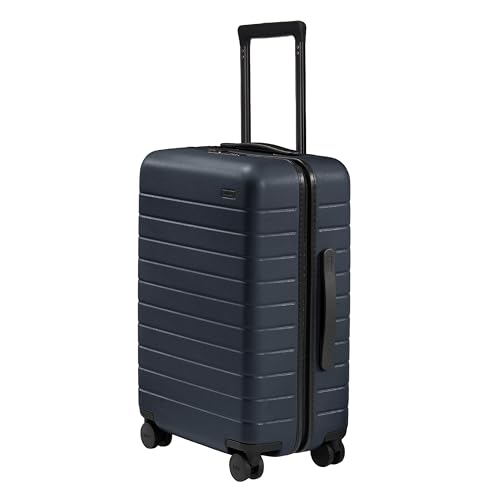
Hardside luggage vs soft is one of the first decisions most travelers face, and the answer depends mostly on how you pack and where you go. Hardside cases shed rain, resist crushing and usually protect fragile items better. Soft-side bags tend to be more flexible, carry more easily into tight spaces and offer more external pockets. If you pack for protection and want a shell that flexes less under pressure, hardside wins. If you prefer organization and the ability to squeeze in one more sweater, soft-side is the better choice.
| Criterion | Hardside Luggage | Soft-Side Luggage |
|---|---|---|
| Shell material | Polycarbonate, ABS, polypropylene or aluminum | Ballistic nylon, polyester or similar woven fabric |
| Impact protection | Shell flexes and rebounds; strong for fragile items | Fabric absorbs pressure; padding protects contents |
| Weight | Generally heavier for a given size | Generally lighter for a given size |
| Expansion | Often limited or absent | Common, usually via a zipper gusset |
| External pockets | Few or none | Many, for quick access |
| Water resistance | Shell is naturally water-resistant | Depends on fabric coating; varies widely |
| Scuffs and wear | Shows scratches, though they often buff out or hide | Shows abrasion and seam wear over time |
| Best for | Fragile items, wet climates, minimal packers | Overpackers, frequent pocket users, tight storage |
Impact Protection: Hardside Wins
A hardside shell is designed to take a hit. Polycarbonate and ABS shells are the most common, and manufacturers often describe them as flexing under load and returning to shape rather than denting permanently. That flex helps protect what’s inside when a bag is dropped on a curb or stacked under other luggage. Aluminum cases offer a more rigid, metal feel, though they’re less common and generally priced at the premium end of the market.
Soft-side bags protect differently. The fabric itself doesn’t resist impact the way a shell does, so protection depends on internal padding and how the bag is packed. Owners often report that soft-side cases handle everyday knocks well but can puncture or tear under a sharp, direct hit. For fragile electronics, glassware or camera gear, hardside is the safer default. For clothing and toiletries, the difference matters far less.
Winner: hardside for raw impact protection.
Weight: Soft-Side Wins
Weight is where soft-side pulls ahead. A soft-side suitcase in a given size usually weighs less than a comparable hardside because it skips the rigid shell. Lightweight hardside models have narrowed the gap considerably, but if you’re trying to stay under a strict checked-bag limit, every pound counts. Many airlines set a standard checked-bag limit of 50 pounds, and some budget carriers charge for weight above that threshold, so an empty bag that weighs several pounds less leaves you more room for what you actually need.
When comparing weights, check the empty weight printed in the manufacturer’s specifications rather than relying on listing titles, since sizes are not standardized across brands.
Winner: soft-side for lower empty weight.
Expansion: Soft-Side Wins
Most soft-side suitcases include an expansion zipper that adds several inches of depth. That extra room is useful for return trips with souvenirs or for a longer stay when you didn’t plan for one more pair of shoes. Expansion features vary, though. Some zips add a modest amount of capacity, while others can grow a bag substantially. Expanding a bag also changes its dimensions, which can push it over carry-on limits, so check the expanded measurements before you head to the gate.
Hardside expansion exists but is less common. Some models use a two-piece shell that splits to add depth, while others rely on a fabric panel. If you know you’ll want extra room, soft-side is the simpler route.
Winner: soft-side for expandable capacity.
Pockets and Organization: Soft-Side Wins
Soft-side cases are built for quick access. Front zip pockets, interior dividers and mesh panels make it easy to find chargers, a passport or a snack without unpacking the whole bag. A hardside suitcase typically has a single open compartment divided by a packing system, sometimes with a zippered lid pocket. That works well for folded clothing packed in layers, but it’s less convenient if you like to separate items by category.
If organization is a major concern, pair either style with packing cubes. Many owners find that cubes compensate for the lack of pockets in a hardside bag and make a shell easier to keep tidy.
Winner: soft-side for organization.
Water Resistance: Hardside Wins
A hardside shell sheds rain easily, and most shells are sealed against moisture at the seams. Soft-side bags depend on a water-resistant coating or the fabric weave, and performance varies a lot between brands. Some fabrics handle a light drizzle well but soak through under sustained rain. If you travel to wet climates or often check bags on tarmacs in bad weather, hardside gives you more confidence.
Neither style is fully waterproof, and a zipper seam is a common entry point for moisture on any bag. Using a waterproof liner or packing a few plastic bags for liquids helps in either case.
Winner: hardside for water resistance.
Durability and Wear: Depends on Use
Durability is more nuanced than it first appears. Hardside shells resist punctures and tears, but they can crack under extreme stress, and corners can chip. Their finish also shows scratches, although many owners find that textured shells hide marks better than glossy ones. Soft-side bags can fray at stress points such as the handle attachments and wheel housings, and their seams wear over time with heavy use.
The good news is that most brands offer a warranty on both styles, and the terms vary. Read the coverage carefully, because some warranties exclude normal wear, airline damage or wheel replacement. Also look at what the bag is made of: a higher-grade polycarbonate or a denier-rated nylon will generally hold up better than a generic blend.
Winner: tie. Hardside resists punctures and moisture; soft-side tends to fare better against everyday scuffs and dings. For more on shell materials, see Polycarbonate, ABS, Polypropylene or Aluminum: Hard-Shell Luggage Materials.
Weight Versus Protection: The Tradeoff in Practice
Many travelers end up choosing based on how these criteria interact. A heavy hardside shell with strong protection can make sense for a photographer or a business traveler carrying a laptop and expensive equipment. A light soft-side bag with plenty of pockets suits someone who packs for a week of beach hopping. Shopping for the lightest option often means giving up some rigidity, and shopping for the most protection often adds weight.
For a deeper look at how light is light enough, see Lightweight Luggage: How Light Is Light and What You Give Up.
Which Should You Choose?
Choose hardside luggage if:
- You carry fragile items such as electronics, glassware or camera gear.
- You travel to rainy or humid destinations and want a naturally water-resistant shell.
- You prefer a clean, easy-to-wipe exterior that doesn’t snag or fray.
- You pack minimally and don’t need many external pockets.
- You travel with a rigid shell in mind and don’t plan to expand the bag.
Choose soft-side luggage if:
- You want the lightest possible empty weight to stay under checked-bag limits.
- You often overpack and need expansion to handle extra items.
- You like external pockets for quick access to small essentials.
- You travel mostly for leisure and care more about flexibility than maximum impact resistance.
- You need a bag that squeezes into tight overhead bins or car trunks.
If you’re still unsure, compare dimensions against airline limits before you buy. For carry-on guidance, see Smallest Carry On Luggage: 7 Best Compact Picks for Tight Airline Limits (2026). Travelers who like wheels should also weigh Spinner vs Two-Wheel Luggage: Which Rolls Better for Your Trips?, since wheel configuration affects how each style handles in practice.
Hardside pick
A widely available hardside option is the Samsonite Freeform hardside spinner, which uses a polypropylene shell and is often mentioned for its flexible construction. Owners often report that it handles routine airport handling well.
View on AmazonSoft-side pick
For soft-side, the Travelpro MaxLite 5 is a frequently recommended choice for its lightweight build and organized interior. Its features and performance are covered in detail in Travelpro MaxLite 5 Carry On Luggage Review: Features and Performance.
View on AmazonFor a broader range of soft-side options, see Best Soft-Side Luggage. If you want to understand fabric and expansion features more closely, Soft-Side Luggage: Fabrics, Expansion and Pockets goes into the details. Luggage accessories such as packing cubes and locks can also change how either style performs, as covered in Luggage Accessories Worth Buying (and Ones to Skip).
FAQ
Is hardside luggage better than soft-side for protecting fragile items?
In most cases, yes. A hardside shell flexes under impact and helps shield contents from crushing. Soft-side bags rely more on internal padding. For delicate items, wrap them well regardless of the case you choose.
Which is lighter, hardside or soft-side luggage?
Soft-side luggage is usually lighter in the same size, because it doesn’t need a rigid shell. Lightweight hardside models exist, so compare the manufacturer’s stated empty weight for each specific bag.
Does soft-side luggage get damaged more easily?
Soft-side fabric can scuff, snag or tear, especially at stress points. Hardside shells can crack or chip. Neither is immune to damage, and the warranty and build quality matter more than the category alone.
Can you expand hardside luggage?
Some hardside cases include an expansion feature, but it is less common than in soft-side bags. Check the product specifications to confirm, and remember that expansion may push a carry-on past airline size limits.
Which style is better for airline travel?
Both work well. Soft-side bags are easier to squeeze into tight bins and often weigh less, while hardside bags offer more protection and better rain resistance. Check your airline’s carry-on dimensions and weight limits before choosing.
Conclusion
The hardside luggage vs soft decision comes down to priorities. Hardside is the stronger choice for protection, moisture resistance and a clean exterior. Soft-side is the better pick for lower weight, expansion and organization. Think about what you pack, where you travel and how often you check bags, then choose the style that fits those habits. Whichever you pick, measure it against your airline’s limits before you travel.
About Emily Parker
Emily Parker is part of our editorial team and reviews and edits our luggage & travel tech guides, checking product details against manufacturer specifications and owner feedback.