By Emily Parker
Underseater carry on luggage is built to slide under the seat in front of you, which frees overhead bin space and avoids gate-checking on crowded flights. The catch is that “underseater” is not a regulated term. Each airline sets its own maximum dimensions, and a bag that fits one carrier’s personal-item allowance may be too tall or too deep for another. This guide focuses on bags that generally fit under a standard economy seat, which typically means roughly 16 to 18 inches of usable depth, about 13 to 14 inches of height and a width that clears the seat frame. Our selection criteria were specifications, brand reputation and common owner feedback patterns. We did not test any of these bags ourselves. Each pick is judged on its published dimensions, weight, build, and how well it matches the typical under-seat constraint.
Our Top Picks
Quick Comparison
| Product | Best for | Key feature |
|---|---|---|
| Samsonite Ultimate Plus Underseat Bag | Business travelers on regional jets | Slim profile with multiple organizer pockets |
| Travelpro Crew VersaPack Under Seat Tote | Flight crews and frequent flyers | Padded laptop sleeve and fold-out work surface |
| Delsey Helium Aero Underseat Tote | Lightweight packing | Very low empty weight |
| Kipling Youri Underseat Backpack | Casual weekend trips | Backpack carry for hands-free walking |
| Samsonite Mightlight Underseat Duffel | Soft, squeezable packing | Compression-friendly nylon body |
| Osprey Farpoint Underseat Backpack | Rugged travel and outdoor trips | Suspension-style harness and durable fabric |
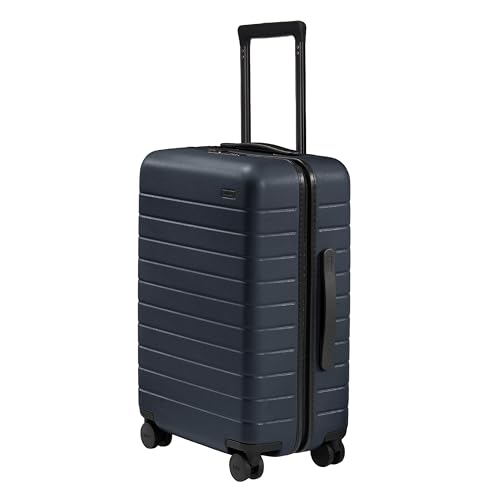
| Away The Everywhere Underseat Tote | Style-conscious travelers wanting structure | Clean lines with a structured shell |
Samsonite Ultimate Plus Underseat Bag
This suits business travelers who take short regional flights and need a laptop and documents within easy reach. Its slim shape is designed to slide under a seat without crowding your feet.
Key specs
- Designed to fit common under-seat dimensions on most carriers
- Padded laptop compartment
- Multiple external and internal organizer pockets
Pros
- Organization helps keep work gear accessible during the flight
- Structured enough to hold its shape when packed
- Works well as a second bag alongside a rolling carry-on
Cons
- Limited capacity for multi-day trips
- Pockets fill quickly, leaving less room for bulky items
Travelpro Crew VersaPack Under Seat Tote
Flight crews and frequent flyers who want a tote that doubles as a workspace will find this one practical. It is built around quick access to devices and paperwork.
Key specs
- Designed to meet typical under-seat size limits
- Padded sleeve for a laptop or tablet
- Fold-out work surface for in-flight use
Pros
- Good access to electronics without unpacking
- Sturdy construction typical of the Travelpro line
- Sensible layout for daily commuter use
Cons
- Less suited to casual or light packers
- Fully loaded, it can feel bulky to carry on foot
Delsey Helium Aero Underseat Tote
Travelers who prioritize low total weight, especially those carrying the bag through long terminal walks, may prefer a lightweight design. It works well for short trips with minimal packing.
Key specs
- Lightweight nylon construction
- Compact profile for under-seat placement
- Single main compartment with zippered access
Pros
- Light when empty and packed
- Simple layout is easy to repack
- Fits a range of seat spaces with careful packing
Cons
- Thin fabric can show wear with rough handling
- Few internal dividers for organizing gear
Kipling Youri Underseat Backpack
Casual travelers who want a backpack that folds neatly under a seat and carries comfortably on the back will like this option. It suits weekend trips and city breaks.
Key specs
- Backpack straps for hands-free carrying
- Compact footprint for under-seat stowage
- Lightweight polyester construction
Pros
- Easy to carry through crowded terminals
- Soft body flexes to fit tight spaces
- Playful styling appeals to many younger travelers
Cons
- Capacity is modest for extended trips
- Soft structure offers little protection for fragile items
Samsonite Mightlight Underseat Duffel
Travelers who pack soft clothing and want a bag that squeezes into tight spaces will find this duffel adaptable. It is especially useful when the seat space is uncertain.
Key specs
- Soft nylon duffel body
- Compressible shape for under-seat fitting
- Carry handles and a removable shoulder strap
Pros
- Flexes to fit awkward gaps
- Lightweight and easy to lift
- Simple, roomy main compartment
Cons
- No structure, so it can sag when partly packed
- Fewer organization features than structured totes
Osprey Farpoint Underseat Backpack
Adventure-minded travelers who expect rough handling and want a durable pack will appreciate this one. It serves well for trips that combine flights with outdoor activity.
Key specs
- Durable, abrasion-resistant fabric
- Padded suspension-style back panel
- Compact enough for many under-seat spaces when packed lightly
Pros
- Comfortable to carry for longer walks
- Robust build owners often praise for durability
- Good for mixed travel and hiking gear
Cons
- Full packing can push it beyond strict under-seat limits
- Heavier than minimalist under-seat totes
Away The Everywhere Underseat Tote
Travelers who want structure, a clean look and a bag that holds its shape will find this option appealing. It fits people who value consistency in the cabin.
Key specs
- Structured shell for a stable shape
- Designed for under-seat use on many carriers
- Interior organization for daily essentials
Pros
- Holds shape well when stowed
- Clean, modern design
- Easy to keep organized
Cons
- Rigid shell gives less flex for tight gaps
- Premium positioning means it sits at the higher end of the field
Buying Guide
Choosing underseater carry on luggage comes down to matching dimensions to your airline and seat, then deciding how you want to carry and organize your gear. For a broader look at sizing, see How to Choose Carry-On Luggage: Size Limits, Weight and Wheels.
Selection criteria
Start with three numbers: the airline’s personal-item or under-seat limit, the typical seat depth on your aircraft and your own packing volume. Many carriers publish personal-item dimensions in inches and centimeters, and some regional jets have noticeably less underseat space than wide-body aircraft.
Important features
- Dimensions that clear the airline’s stated personal-item limit
- Low empty weight for easier lifting in crowded terminals
- Flexible or structured body depending on your packing habits
- Carry style: tote, backpack or duffel
- Organization pockets for quick access to documents and devices
Specs to check
- Exterior dimensions, including wheels and handles if any
- Empty weight, which matters for both carrier limits and your arms
- Material type, such as nylon, polyester or hard shell
- Zipper quality and access points
Choosing by need
Business travelers often benefit from a laptop sleeve and a work surface. Casual travelers may prefer a backpack for hands-free carrying. Minimalist packers can choose a soft duffel that flexes into tight spaces. Adventure travelers should look for abrasion-resistant fabric and a comfortable back panel.
Things to watch out for
- Airline rules change, so verify current limits before flying
- A bag that fits empty may not fit when fully packed
- Overstuffed soft bags can bulge past size limits
- Some seats in premium cabins have different clearance than economy
FAQ
What size is underseater carry on luggage?
There is no universal size. Most under-seat bags are designed to fit within roughly 16 to 18 inches in length, 12 to 14 inches in width and 8 to 10 inches in height, but you should check the specific airline’s personal-item dimensions.
Does underseater luggage count as a personal item?
Often it does, depending on the airline. Some carriers allow one personal item plus a carry-on, while others count any bag placed under the seat as the personal item. Check your airline’s policy before you travel.
Is a backpack or a tote better for under-seat use?
A backpack is easier to carry through terminals and distributes weight across your back. A tote often offers more structure and quicker access to items. The best choice depends on how you prefer to carry your bag.
Can I fit a laptop in an underseater bag?
Yes, many under-seat bags include a padded laptop sleeve. Make sure the device fits the sleeve and that the bag still meets the size limit with the laptop inside.
How much weight should an underseater bag carry?
Many airlines do not publish a weight limit for personal items, but they may enforce one at check-in. Keeping the packed bag light makes it easier to lift and stow. If you have specific health concerns about lifting heavy bags, consult a medical professional.
Will soft-sided bags fit better than hard shells?
Soft-sided bags can flex into tighter spaces, while hard shells keep their shape and protect contents. For a deeper comparison of materials, read Soft-Side Luggage: Fabrics, Expansion and Pockets.
Should I buy a set of under-seat bags?
Most travelers do not need a full set. A single well-chosen under-seat bag usually covers the need. For broader options, see Best Luggage Sets.
Conclusion
Underseater carry on luggage works best when its dimensions match your airline and seat type. Business travelers who need organization may prefer the Samsonite Ultimate Plus Underseat Bag or Travelpro Crew VersaPack Under Seat Tote. Light packers can consider the Delsey Helium Aero Underseat Tote, while casual weekend travelers may like the Kipling Youri Underseat Backpack. For soft, squeezable packing, the Samsonite Mightlight Underseat Duffel fits many needs. Rugged travelers may prefer the Osprey Farpoint Underseat Backpack, and style-minded flyers can look at the Away The Everywhere Underseat Tote. Always confirm current airline dimensions before you fly, since limits vary and can change.
About Emily Parker
Emily Parker is part of our editorial team and reviews and edits our luggage & travel tech guides, checking product details against manufacturer specifications and owner feedback.