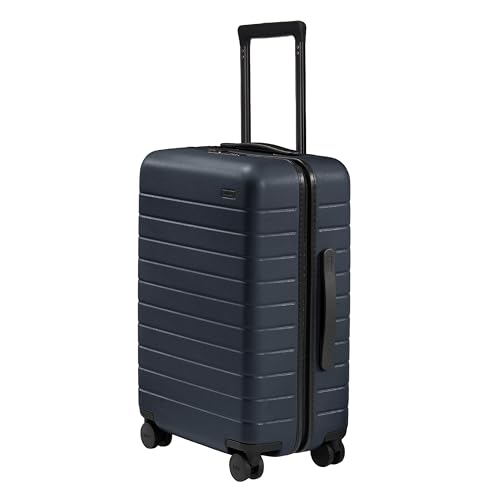
By Emily Parker
Choosing a luggage carry on backpack comes down to one question: will it pass the airline’s size check at the gate and still hold everything you need for the trip? This guide narrows the field to six backpacks that suit different travelers, from weekend hikers to business flyers who want a laptop sleeve and a clean front pocket. Each pick is judged on published dimensions, frame and fabric construction, how it handles overhead bin and under-seat limits, and the patterns owners tend to mention in their reviews. We did not run physical tests on these bags. Instead, the selection draws on manufacturer specifications, brand track records, and recurring feedback about zippers, straps, and wheel-free carry comfort. Read the comparison table first, then the buying guide if you want to match a bag to your own trips.
Our Top Picks
Quick Comparison
| Product | Best for | Key feature |
|---|---|---|
| Osprey Farpoint 40 | Travelers who want a backpack that doubles as a hiking pack | Trekking-style harness and hip belt |
| Tortuga Setout Port | Frequent flyers who need one bag for short trips | Clamshell opening with a compression layout |
| Nomatic Travel Pack 40L | Business travelers with a laptop and tech kit | Dedicated laptop and tablet sleeves |
| Samsonite Tectonic Lite Backpack | Budget-minded travelers who want a lightweight bag | Low empty weight and simple layout |
| Peak Design Travel Backpack 45L | Photographers and gear-heavy travelers | Modular dividers and external access |
| Incase ICON Backpack | Commuters who fly occasionally | Structured laptop compartment and slim profile |
Osprey Farpoint 40
This bag suits travelers who expect to walk long distances, change trains, or move between hostels and trailheads. The hip belt and load-lifter straps shift weight off the shoulders, which matters when you are carrying a full pack through a crowded terminal.
Key specs
- Listed capacity of about 40 liters
- Clamshell main opening with a zippered front panel
- Padded hip belt and sternum strap
- Designed to fit common carry-on size guidelines when packed to its stated dimensions
Pros
- Comfortable carry over long distances
- Clamshell access makes packing and unpacking straightforward
- Owners often mention durable fabric and well-stitched seams
Cons
- Hiking styling may look out of place in a business setting
- Thin on dedicated tech organization
Tortuga Setout Port
Designed for people who fly often and want a single bag that fits under the seat or in the overhead bin without a fight. The compact footprint and clamshell opening make it a sensible choice for short weekend trips.
Key specs
- Compact carry-on dimensions as listed by the manufacturer
- Clamshell opening with compression straps
- Padded laptop compartment
- Water-resistant outer fabric
Pros
- Compact enough for tight under-seat spaces
- Compression straps keep contents from shifting
- Clean, minimal look for travel and everyday use
Cons
- Less capacity than larger travel packs
- Limited external pockets for water bottles
Nomatic Travel Pack 40L
Built for business travelers who carry a laptop, tablet, and chargers and want those items separated from clothes. Owners of similar travel packs commonly mention that the tech layout reduces the time spent digging through a bag at security.
Key specs
- Listed capacity of about 40 liters
- Dedicated laptop and tablet sleeves
- Multiple internal organizer pockets
- Carry-on oriented dimensions per manufacturer specifications
Pros
- Strong organization for electronics and documents
- Clean front profile suits office settings
- Good balance of capacity and compact outline
Cons
- Premium positioning compared with basic packs
- Fewer compression options for bulky jackets
Samsonite Tectonic Lite Backpack
A practical choice for travelers who want a lightweight luggage carry on backpack without paying for extra features they will not use. It works well for overnight trips and as a secondary bag when paired with a larger suitcase.
Key specs
- Lightweight polyester-based construction
- Main compartment with laptop sleeve
- Carry handle and padded shoulder straps
- Dimensions listed for common carry-on use
Pros
- Light empty weight helps you stay under weight limits
- Simple layout is easy to pack
- Sensible option for budget-conscious buyers
Cons
- Thinner padding than premium travel packs
- Fewer organizational pockets
Peak Design Travel Backpack 45L
Aimed at photographers and people who carry camera bodies, lenses, or other fragile gear alongside clothing. The modular dividers and side access let you reach equipment without unpacking the whole bag.
Key specs
- Listed capacity of about 45 liters
- Modular internal dividers
- Side access panel for quick gear retrieval
- Weather-resistant fabric per manufacturer description
Pros
- Excellent protection for camera and tech gear
- Side access is convenient during layovers
- Well-regarded build quality among owners
Cons
- Heavier when fully packed, which can strain the carry limit
- Higher-end positioning may not suit casual travelers
Incase ICON Backpack
This pack suits commuters who occasionally fly and want a slim, professional profile. The structured laptop compartment protects a work machine during airport handling.
Key specs
- Slim silhouette suited to overhead bins
- Padded laptop compartment
- Front organizer panel
- Designed for everyday commuting as well as travel
Pros
- Professional appearance for business settings
- Padded laptop protection
- Easy to slip under a seat
Cons
- Capacity is modest for multi-day packing
- Less cushioning for long walks with a heavy load
Buying Guide
Selection Criteria
Every pick in this list was weighed on four things: whether its published dimensions fit common airline carry-on guidelines, how the frame and fabric are built, how well the internal layout handles electronics and clothing, and what owners tend to say about long-term wear. Brand reputation and owner feedback patterns carried real weight, but we did not claim any hands-on testing.
Important Features
Start with size. Airlines set their own limits, and most carry-on guidelines fall in a range of roughly 22 x 14 x 9 inches, though budget carriers sometimes enforce stricter sizing. A bag that measures right on paper can still bulge when stuffed, so look for a rigid or semi-rigid back panel and check whether the manufacturer lists dimensions with or without pockets and straps.
Next, think about access. A clamshell opening lays the bag flat so you can see everything at once. A top-loading design is cheaper to build but can be harder to pack efficiently. Front-zip panels help when you need a quick grab without unpacking.
Finally, consider comfort. Padded hip belts and load-lifter straps matter once the bag is heavy. If you only walk short distances, a simpler shoulder-strap setup may be enough.
Specs to Check
- Listed dimensions: Confirm height, width, and depth against your airline’s limits.
- Capacity in liters: 35 to 45 liters covers most carry-on trips of three to five days.
- Empty weight: Lighter bags leave more room under weight limits.
- Laptop sleeve size: Check that the sleeve fits your device with its case.
- Material: Nylon and polyester are common; higher denier ratings generally signal tougher fabric.
Choosing by Need
If you are a frequent business flyer, prioritize tech organization and a clean front profile. If you travel light for weekends, a compact bag with compression straps is usually enough. Photographers should look for dividers and side access. Hikers and multi-stop travelers benefit most from a true backpack harness and hip belt.
Things to Watch Out For
- Overstuffing pushes a bag past airline dimensions, especially at the front panel.
- Thin straps can dig in on long walks, so check padding before buying.
- Zippers take heavy wear; owners often note that metal or heavy-duty coil zippers hold up better than thin plastic ones.
For a deeper look at how backpacks compare with suitcases, see Travel Backpack vs Suitcase: Which Fits Your Trip?. If you are still deciding on the right capacity, How to Choose a Carry-On Travel Backpack walks through the numbers step by step, and How to Choose Carry-On Luggage: Size Limits, Weight and Wheels covers airline size rules in more detail.
FAQ
What size should a luggage carry on backpack be?
Most airlines in the United States use carry-on guidelines near 22 x 14 x 9 inches including wheels and handles. Check your specific carrier, since some are stricter. A bag around 35 to 45 liters often fits within these limits when packed carefully.
Can a backpack really count as a carry-on?
Yes, in most cases. Many airlines allow a personal item such as a backpack in addition to a carry-on bag. Some budget carriers treat a backpack as the single carry-on if it meets their size limit, so verify the policy before you fly.
Is a carry-on backpack better than a rolling carry-on?
It depends on your trip. Backpacks are easier on stairs, cobblestones, and crowded transit. Rolling bags carry heavy loads with less strain. Spinner vs Two-Wheel Luggage: Which Rolls Better for Your Trips? explains the wheel differences.
How much can a carry-on backpack hold?
Capacity is usually listed in liters. Around 40 liters can hold about a week of clothing for a light packer, though results vary by packing style and the weight of shoes and toiletries.
What is the best way to avoid overstuffing?
Pack heavier items low and near the back panel, use packing cubes to compress clothing, and leave a little slack in the top. Check the bag’s shape before you reach the gate, since a bulging front panel can trigger a sizing check.
Do I need a laptop sleeve in a travel backpack?
If you carry a work laptop, a padded sleeve is worth having. It protects the device and makes it easier to remove at security. For more on tech-focused designs, see Laptop Travel Backpacks: What to Look For.
Are lightweight backpacks durable enough for frequent travel?
Lightweight bags can last well if their fabric and zippers are rated for regular use. Owners of lightweight packs often report that seams and zippers are the first places to show wear, so inspect those before you buy. Lightweight Luggage: How Light Is Light and What You Give Up discusses the trade-offs.
Conclusion
For hiking-style travel and long walks, the Osprey Farpoint 40 is a strong fit thanks to its harness and hip belt. Frequent flyers who want a compact bag for short trips will find the Tortuga Setout Port practical. Business travelers carrying tech should look at the Nomatic Travel Pack 40L, while the Samsonite Tectonic Lite Backpack suits anyone who values a light, simple bag. Photographers and gear-heavy travelers will appreciate the Peak Design Travel Backpack 45L, and commuters who fly now and then may prefer the Incase ICON Backpack for its slim, professional profile. Match the bag to your most common trip, confirm the dimensions against your airline, and you will have a luggage carry on backpack that works when it counts.
About Emily Parker
Emily Parker is part of our editorial team and reviews and edits our luggage & travel tech guides, checking product details against manufacturer specifications and owner feedback.