By Emily Parker
Updated November 2026
Carry on luggage max limits are set by each airline, but most US carriers allow a bag up to about 22 x 14 x 9 inches including wheels and handles. This guide shows you how to find your airline’s exact limit, measure your bag correctly, and check that it will fit both the sizer and the overhead bin. Following these steps helps you avoid being told to gate-check your bag at the last minute.
Find Your Airline’s Carry On Luggage Max Size
Start by checking the carry-on policy on your airline’s official website, because limits differ more than many travelers expect. Most full-service carriers use a maximum of 22 x 14 x 9 inches, while some budget airlines are stricter and may require a smaller bag or charge for a larger one. Limits can also change, so confirm the rule shortly before your trip.
Shopping for one? See our guide: 5 Best American Tourister Cargo Max 21 Hardside Carry-on Spinner Luggages (2026): Our Picks.
If you want a quick overview of common numbers, our guide to What Is the Maximum Dimensions for Carry On Luggage? Limits Explained (2026) covers the standard figures. For airline-specific details, see Size of Carry-On Luggage American Airlines: Limits and How to Fit (2026) and Southwest Airline Carry On Luggage Size: Limits, Fit and Tips (2026).
Measure Your Bag the Right Way
Airlines measure the outside of the bag at its largest points, so the numbers on the tag or in the product listing may not match what counts. Use this process:
- Empty the bag and extend the handle fully only if the airline measures it that way; otherwise keep it retracted.
- Measure height from the bottom of the wheels to the top of the bag, not including the handle if it is retracted.
- Measure width from side to side and depth from front to back, pressing the sides flat if the bag has soft walls.
- Add the three numbers to check against the total-dimension limit some carriers use, and compare each side against the individual limits.
Expandable bags are a common trap. Many airlines measure them in their fully closed state, but some will check them expanded, so zip them shut before you go to the airport.
Check Weight and Fit Together
Weight limits are less consistent across airlines. Many carriers do not set a firm carry-on weight, but some do, and a heavy bag can still be flagged at the gate if it looks overloaded. Our article on Weight Requirement for Carry On Luggage: How to Check and Avoid Fees (2026) explains how to weigh your bag at home.
Fit also depends on the overhead bin and any sizer at the gate. Bags with rounded corners or a slimmer depth can slide into tight spaces more easily. If your route uses regional jets, bin space may be limited, so check the aircraft type when you book.
Packing Tips to Stay Within the Limit
- Pack the heaviest items low and near the wheels to keep the bag stable.
- Leave about one inch of give so a fully packed bag does not bulge past the limit.
- Carry bulky jackets and liquids in a personal item so the main bag stays under the max.
- Weigh the bag once it is packed, not while it is empty.
Common Mistakes With Carry On Luggage Max Limits
- Measuring only the bag body and forgetting the wheels and handles.
- Assuming one airline’s limit applies to every flight on your itinerary.
- Relying on a brand’s “carry-on size” label instead of the airline’s own policy.
- Overpacking a soft bag so it swells beyond the maximum at the gate.
Recommended Gear
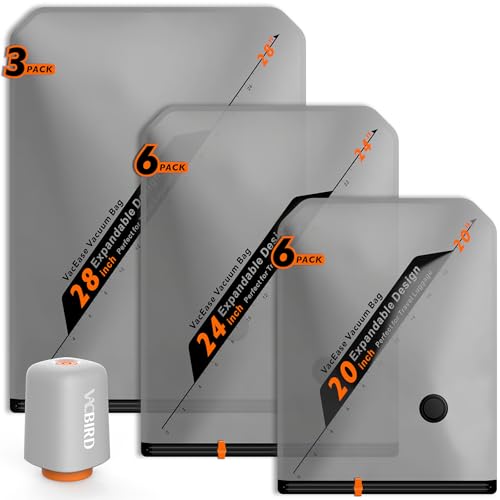
A luggage scale helps you confirm weight before you reach the airport, so you are not surprised by a gate check. A soft tape measure makes it easier to measure wheels and handles accurately. Packing cubes keep clothing compact so the bag stays within its shape limits.
- A hanging luggage scale is useful for checking weight at home. View on Amazon
- A flexible tape measure lets you measure height, width, and depth on uneven bags. View on Amazon
- Packing cubes help you compress clothing and keep the bag’s shape consistent. View on Amazon
FAQ
What is the carry on luggage max size on most US airlines?
Many US airlines allow a carry-on up to about 22 x 14 x 9 inches including wheels and handles. Some carriers use slightly different limits, so check your airline’s policy before you fly.
Does the carry-on size include wheels and handles?
Most airlines include wheels and handles in the measurement. Measure the bag at its largest points to be sure it fits.
What happens if my bag is over the carry-on limit?
Gate agents may ask you to check the bag, which can add a fee on some airlines. Measuring and weighing your bag at home is the best way to avoid this.
Conclusion
To stay within the carry on luggage max, confirm your airline’s current size and weight rules, then measure your bag with wheels and handles included. Weigh it once packed and keep a little room for expansion. A quick check before you leave can save you a stressful moment at the gate.
Ready to choose one?
About Emily Parker
Emily Parker is part of our editorial team and reviews and edits our luggage & travel tech guides, checking product details against manufacturer specifications and owner feedback.