By Emily Parker
Updated November 2026
The maximum carry on luggage dimensions most U.S. airlines allow are roughly 22 x 14 x 9 inches, including wheels and handles. This guide shows you how to confirm the limit for your airline, measure your bag accurately, and pick a size that fits overhead bins without a gate-check fee.
Know the Standard Limit and Where It Varies
Most domestic carriers use a standard of about 22 x 14 x 9 inches, but the number that matters is the one printed on your airline’s website, since limits differ by carrier and sometimes by aircraft. Some airlines publish a slightly larger allowance for premium cabins or for certain regional jets. Check the exact figure before you buy a bag, not after. For a closer look at individual carriers, see Standard Luggage Carry On Size: Limits, Dimensions and How to Check and Southwest Carry On Luggage Size Dimensions: Limits and How to Measure.
Shopping for one? See our guide: 7 Best Largest Carry On Luggage for Maximum Packing Space (2026).
How to Measure Your Bag Correctly
Airlines measure the outside of the bag at its largest point, so the number you want is the total external size, not the interior or the packed dimensions. Follow these steps:
- Empty the bag and extend the handle fully only if it is a fixed part of the frame; otherwise collapse it.
- Measure height from the bottom of the wheels to the top of the bag, including any top handle.
- Measure width from side to side at the widest point, including side pockets and zipper bulges.
- Measure depth from front to back, including the wheel housing and any protruding corners.
- Compare each figure to the airline limit. If any number is over, the bag may be checked at the gate.
Factors That Affect Whether Your Bag Fits
Dimensions alone do not guarantee a bag will pass. Overhead bins vary in depth on different aircraft, and an overstuffed bag can expand beyond its listed size. Soft-sided bags usually give a little, which helps in tight bins, while hardside bags keep their shape but may not fit a bin that is slightly undersized. Wheel and handle design also matters: wheels that stick out add depth, and a telescoping handle that does not fully retract adds height.
Check Bin Space on Your Specific Flight
If you travel on regional jets or older narrowbodies, bin space can be noticeably smaller than the airline’s standard. Check your aircraft type when you book, and allow a little extra margin if you plan to carry on a bag near the limit.
Recommended Gear
- Soft-sided carry-on with a flexible shell: Gives slightly under pressure, which helps it slide into tighter bins. View on Amazon
- Luggage measuring tape: A flexible tape with a hook makes it easy to measure height, width, and depth at home. View on Amazon
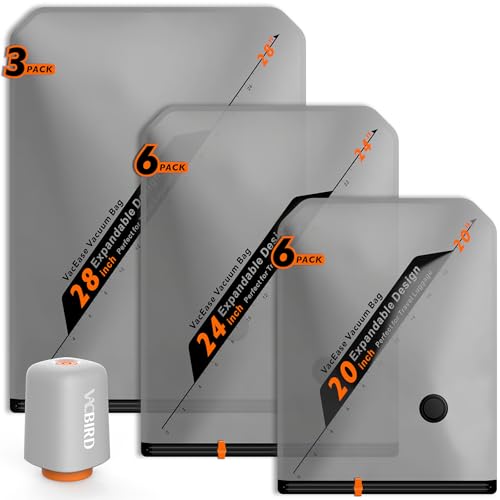
- Compression packing cubes: Keep the bag from bulging past its limit by reducing unused space. View on Amazon
Common Mistakes to Avoid
- Measuring only the main body and forgetting wheels, handles, or side pockets.
- Relying on the brand’s “carry-on size” label instead of the airline’s current published limit.
- Overpacking so the bag swells beyond its shape at the gate.
- Assuming a bag that fit on one airline will pass on another with different limits.
- Ignoring the weight limit, which some carriers enforce alongside size.
FAQ
What are the maximum dimensions for carry on luggage on most U.S. airlines?
Most U.S. carriers allow about 22 x 14 x 9 inches, including wheels and handles. Always confirm the current figure on your airline’s website before you fly.
Do airlines measure wheels and handles?
Yes, airlines generally measure the bag’s total external size, including wheels, handles, and side pockets. Measure with everything attached to avoid surprises.
What happens if my bag is too big for the overhead bin?
The gate agent may ask you to check the bag at no charge or for a fee, depending on the airline and fare type. Measuring before you travel is the best way to avoid this.
Conclusion
The maximum carry on luggage dimensions for most airlines sit near 22 x 14 x 9 inches, but the exact limit depends on your carrier and aircraft. Measure your bag with wheels and handles included, compare it to your airline’s current figures, and leave a little margin for packing bulge. A quick check at home can save you a gate-check at the airport.
Related reading
- What Is the Maximum Dimensions for Carry On Luggage? Limits Explained (2026)
- International Travel Carry On Luggage Size: Limits, Dimensions and Fit Tips
- International Carry On Luggage Dimensions: Limits, Measuring Tips and Fit (2026)
- Dimensions for Carry On Luggage Delta: Size Limits and How to Measure
- Delta Carry On Luggage Size Dimensions: Limits and How to Measure (2026)
Ready to choose one?
About Emily Parker
Emily Parker is part of our editorial team and reviews and edits our luggage & travel tech guides, checking product details against manufacturer specifications and owner feedback.