By Emily Parker
Updated November 2026
Yes, you can pack food in checked luggage in most cases. Solid, shelf-stable foods like baked goods, snacks, nuts and hard cheeses are generally allowed, while liquids, gels, meats and fresh produce face more limits. This guide explains what you can usually pack, how to protect it from crushing and leaks, and where customs rules can get you into trouble.
Check the Rules Before You Pack
Federal rules in the US (the TSA’s screening rules and the airline’s own policies) rarely ban food outright. The bigger constraint is often the destination country. Many countries, including Australia and New Zealand, have strict biosecurity rules on fruit, vegetables, meat, dairy and seeds, and they can confiscate or fine you for undeclared items. Check the destination’s customs website before you pack anything perishable.
Shopping for one? See our guide: 4 Best Bags for Checked Luggage Options for Long Trips (2026).
Also keep in mind that liquids and spreads follow the same 3.4-ounce limit that applies to carry-on bags. That limit does not apply to checked bags, but a jar of jam that breaks in transit can ruin everything around it.
Pack Food Safely in Checked Bags
Checked bags are handled by machines and people, and they can be tossed, stacked and left in hot or cold cargo holds. Packing food with that in mind keeps it intact and prevents damage to your clothes.
- Choose sturdy, sealed packaging. Vacuum-sealed bags, hard-sided containers and original factory packaging hold up better than loose bags.
- Double-bag anything that could leak, such as sauces, oils or syrups, and place those containers upright in a leak-proof zip bag.
- Wrap fragile items like chocolate, cookies and crackers in clothing or bubble wrap, and keep them in the center of your suitcase.
- Keep perishable items cold only if the airline and destination allow it, using frozen gel packs that stay frozen when checked.
- Label food packages with their contents so an inspector can identify them quickly if your bag is opened.
Foods That Usually Travel Well
Dry, low-moisture foods are the easiest to pack. These include bread, granola, dried fruit, nuts, chocolate bars and most packaged snacks. Hard cheeses and cured meats can also be allowed in many cases, though they may require declaration at the border.
Foods to Be Careful With
Some foods are either restricted or simply not worth the risk. The table below summarizes common categories. Rules vary by country, so treat it as a starting point rather than a guarantee.
| Food type | Typical situation |
|---|---|
| Dry baked goods, nuts, chocolate | Generally allowed; pack to prevent crushing |
| Hard cheese, cured meat | Often allowed in the US; check destination rules |
| Fresh fruit and vegetables | Frequently restricted at international borders |
| Raw meat, seafood, eggs | Usually prohibited or heavily restricted |
| Sauces, syrups, jams in jars | Allowed, but must be sealed and double-bagged |
Common Mistakes to Avoid
- Assuming a food is allowed everywhere because it is allowed at home.
- Skipping a declaration for food you are carrying into another country.
- Packing liquids in unsealed or thin plastic containers.
- Putting breakable food under heavy items like shoes or hardbound books.
- Forgetting that packed food can add weight and push you over the airline’s weight limit.
Recommended Gear
A hard-sided food container keeps snacks from being crushed by shoes or books. View on Amazon
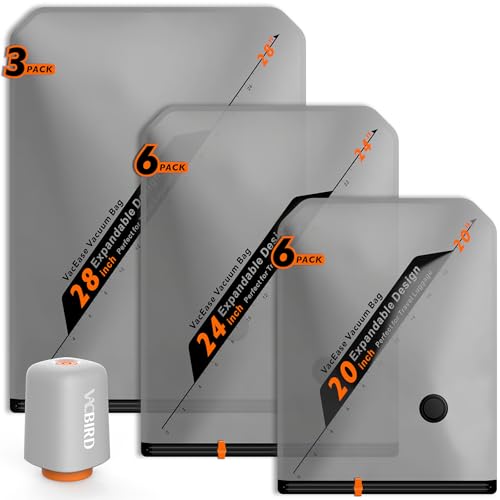
Vacuum-sealed storage bags help keep dried foods fresh and compressed. View on Amazon
Reusable gel ice packs can help keep perishable items cool if your destination allows them. View on Amazon
FAQ
Can you pack food in your checked luggage on a domestic flight?
Yes, most packaged, shelf-stable foods are allowed on domestic US flights. Check the airline’s policy if you are carrying anything unusual, such as meat or liquids in large quantities.
Do I need to declare food when traveling internationally?
Usually yes. Many countries require you to declare food on arrival, and undeclared items can lead to fines or confiscation.
Will food in my checked bag be inspected?
It can be. TSA or border officers may open your bag, so pack food in clearly labeled, sealed containers to make inspection easier.
Conclusion
Most packaged, dry foods can go in your checked bag without trouble. Pack them in sealed, cushioned containers, and check the destination’s customs rules before you travel. For more on related restrictions, see Can You Pack Alcohol in Checked Luggage? Rules, Limits and Packing Steps and Can You Pack Aerosol Sunscreen in Checked Luggage? Rules and Packing Steps.
Related reading
- Laptop Computer in Checked Luggage: What Airlines Allow and How to Pack It
- Can You Pack Hairspray in Your Checked Luggage? The Rules Explained
- What Is the Size of Checked Luggage? Limits, Measurements and How to Comply
Ready to choose one?
About Emily Parker
Emily Parker is part of our editorial team and reviews and edits our luggage & travel tech guides, checking product details against manufacturer specifications and owner feedback.